
Liverpool FC European Cup Final Rome 1984, England, UK.
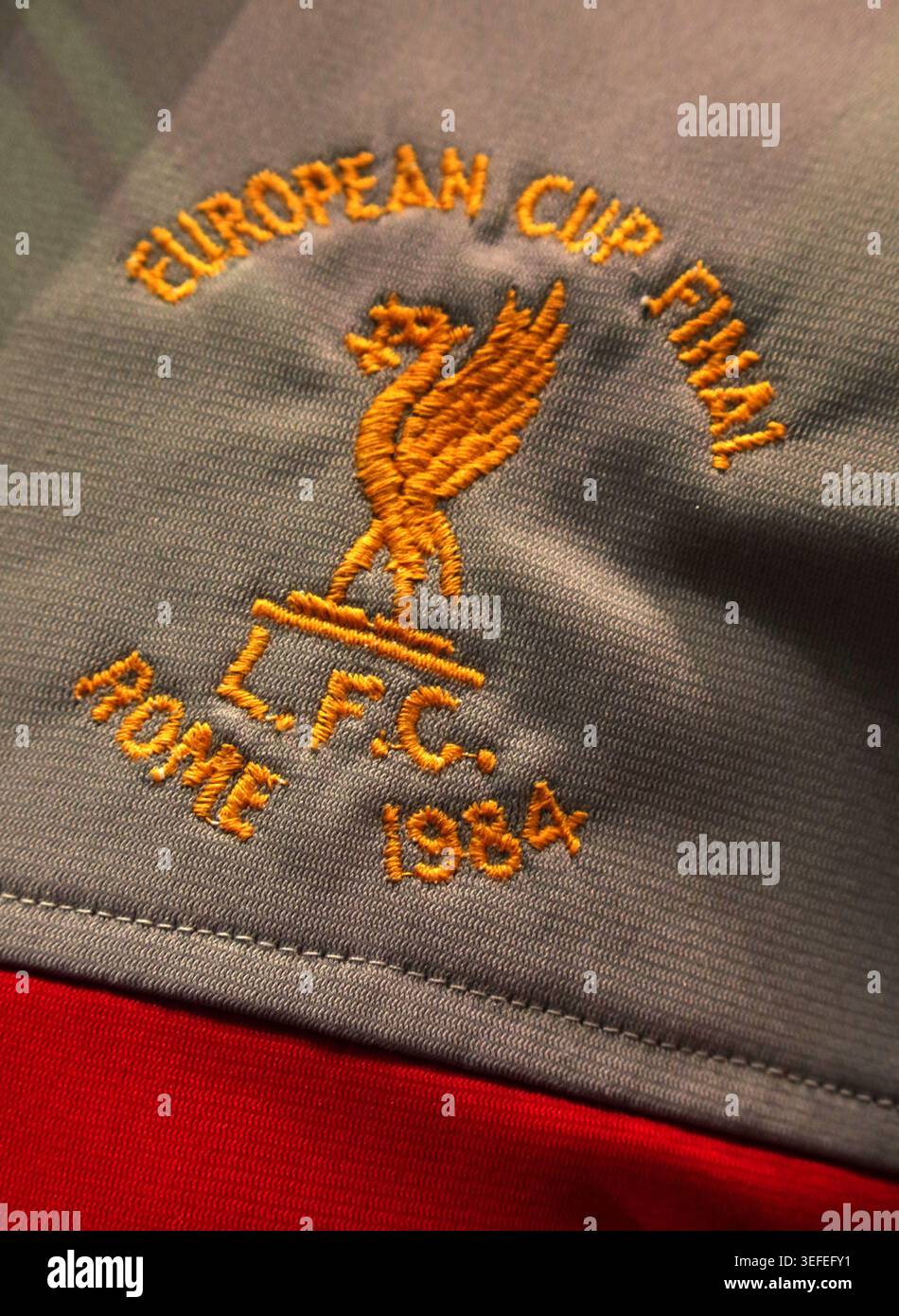
Image details
Contributor:
Tony SmithImage ID:
3EFEFY1File size:
52.1 MB (2.4 MB Compressed download)Releases:
Model - no | Property - noDo I need a release?Dimensions:
3648 x 4992 px | 30.9 x 42.3 cm | 12.2 x 16.6 inches | 300dpiDate taken:
25 September 2023Location:
England, UKMore information:
. Liverpool FC European Cup Final Rome 1984, England, UK. Photographed on 25 September 2023. Looking at stadium, the longer history is that football and major sporting events leave a rich material record through flags, tickets, souvenirs, programmes and venue signage; International tournaments in particular can turn everyday objects into historical evidence of national sporting culture. In 2026, stadium remains relevant because sporting imagery has relevance beyond results, illustrating club identity, fan culture, major-event economics, venue investment and the role of sport in local regeneration. Other strongly related concepts include football club, supporters, matchday, sporting heritage, sports venue, professional sport, football history, major event, sports tourism, supporter culture, stadium architecture, sports memorabilia, IMG_1474, heritage, fans, and memorabilia. The background to matchday is that sporting grounds, club colours and event memorabilia become part of local identity as generations of supporters associate particular streets, gates and stands with matchday ritual; Stadium architecture and branding also change repeatedly as clubs modernise facilities. Within the history of sports venue, football and major sporting events leave a rich material record through flags, tickets, souvenirs, programmes and venue signage; International tournaments in particular can turn everyday objects into historical evidence of national sporting culture. In relation to major event, historical context shows that british sports venues often have histories extending far beyond their current appearance, with rebuilt stands, sponsorship names and safety standards reflecting the professionalisation and commercial growth of spectator sport. Against the 2026 backdrop for sports venue, sporting imagery has relevance beyond results, illustrating club identity, fan culture, major-event economics, venue investment and the role of sport in local regeneration.

