
Wigan Mining Monument - Miner man, Wigan, England, UK.
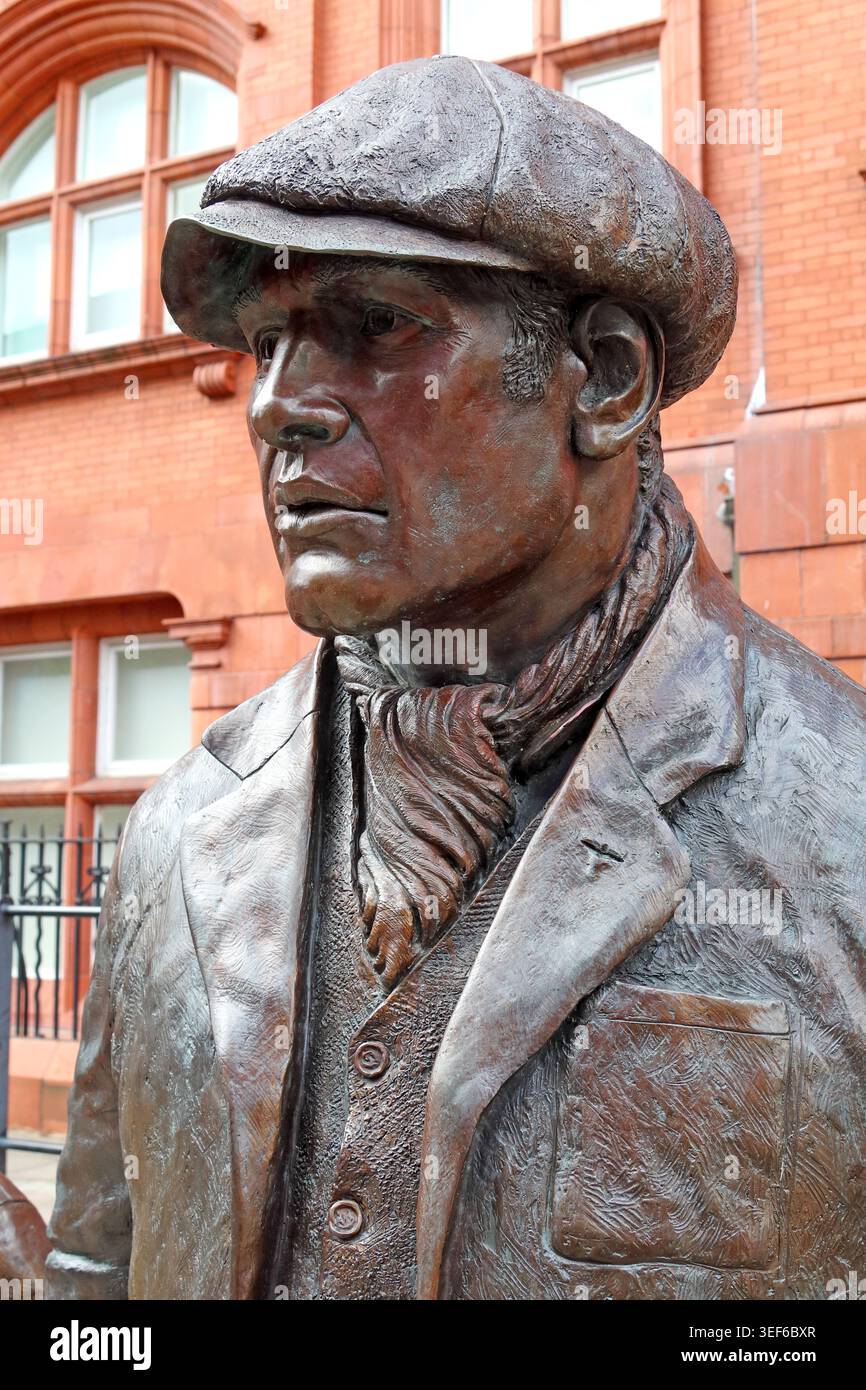
Image details
Contributor:
Tony SmithImage ID:
3EF6BXRFile size:
57.1 MB (3 MB Compressed download)Releases:
Model - no | Property - noDo I need a release?Dimensions:
3648 x 5472 px | 30.9 x 46.3 cm | 12.2 x 18.2 inches | 300dpiDate taken:
6 May 2026Location:
Wigan, Greater Manchester, England, UKMore information:
. Wigan Mining Monument - Miner man, Wigan, England, UK. Photographed on 6 May 2026. The recorded location is Wigan, Greater Manchester, England, UK. For the story of artwork, it is useful to note that street art and murals are especially valuable as temporary cultural evidence because they may be painted over or lost during redevelopment; Photographs preserve both the artwork and its relationship with the surrounding neighbourhood. The historical setting for working life is that industrial buildings and machinery preserve the material history of manufacturing: steam power, engineering, mining, textiles, ceramics and mass production transformed both the economy and the physical character of towns; Surviving equipment is now studied as industrial archaeology. Seen through place-making, the earlier context is that town and neighbourhood images record the accumulation of ordinary change: road layouts, shop names, signage, public art and building uses; Their value increases when compared over decades because apparently minor details can become the clearest evidence of transformation. For present-day artwork, 2026 is significant because contemporary street art continues to blur the line between unofficial expression, commissioned mural and tourist attraction; Images are therefore relevant to urban culture, creative industries, heritage interpretation and place-making. In the 2026 discussion of working life, industrial heritage is increasingly tied to regeneration, tourism, conservation and skills education, particularly in former manufacturing towns seeking new uses for historic sites. Useful alternative terminology includes sculpture, statue, cultural identity, visual culture, community art, memorial art, public realm, cultural landmark, engineering history, historic machinery, factory, mill, labour history, mechanical engineering, industrial landscape, and adaptive reuse.

