
Santus Uncle Joes factory, Wigan, England, UK.
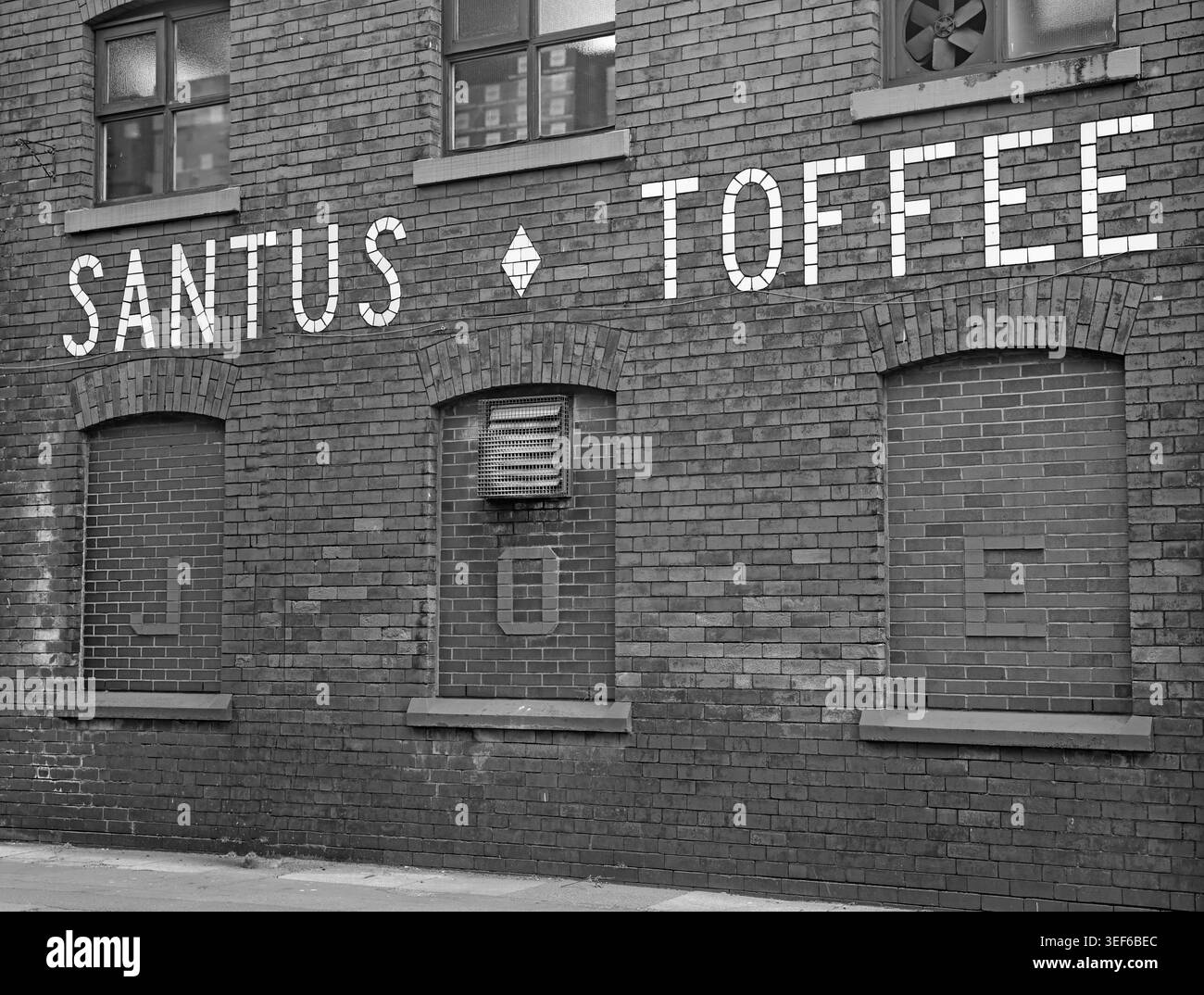
Image details
Contributor:
Tony SmithImage ID:
3EF6BECFile size:
112.8 MB (5.3 MB Compressed download)Releases:
Model - no | Property - noDo I need a release?Dimensions:
7216 x 5464 px | 61.1 x 46.3 cm | 24.1 x 18.2 inches | 300dpiDate taken:
6 May 2026Location:
Wigan, Greater Manchester, England, UKMore information:
. Santus Uncle Joes factory, Wigan, England, UK. Photographed on 6 May 2026. The recorded location is Wigan, Greater Manchester, England, UK. The historical setting for industrial regeneration is that industrial heritage links architecture and machinery with the people who worked in mines, potteries, foundries and factories; As production declined or modernised, many sites were demolished, adapted or preserved as museums and regeneration projects. Seen through townscape, the earlier context is that local place names and small landmarks can be as significant to community history as nationally famous buildings; Streets, neighbourhood businesses and informal attractions offer reference points that may vanish during redevelopment or rebranding. In the 2026 discussion of industrial regeneration, industrial heritage is increasingly tied to regeneration, tourism, conservation and skills education, particularly in former manufacturing towns seeking new uses for historic sites. The 2026 relevance of townscape comes from the fact that current place-making policy increasingly emphasises distinctive local identity rather than generic development, so small landmarks and community businesses can become significant parts of how an area is represented. Additional high-relevance terminology includes industrial archaeology, engineering history, historic machinery, mill, labour history, working life, mechanical engineering, industrial landscape, adaptive reuse, heritage conservation, production technology, local history, and place identity. Other strongly related concepts include streetscape, local landmark, urban change, local character, public realm, historic comparison, town centre, local heritage, urban, and editorial. For factory, the 2026 context is that industrial heritage is increasingly tied to regeneration, tourism, conservation and skills education, particularly in former manufacturing towns seeking new uses for historic sites.

