
Stop Cock Wigan, Wigan, England, UK.
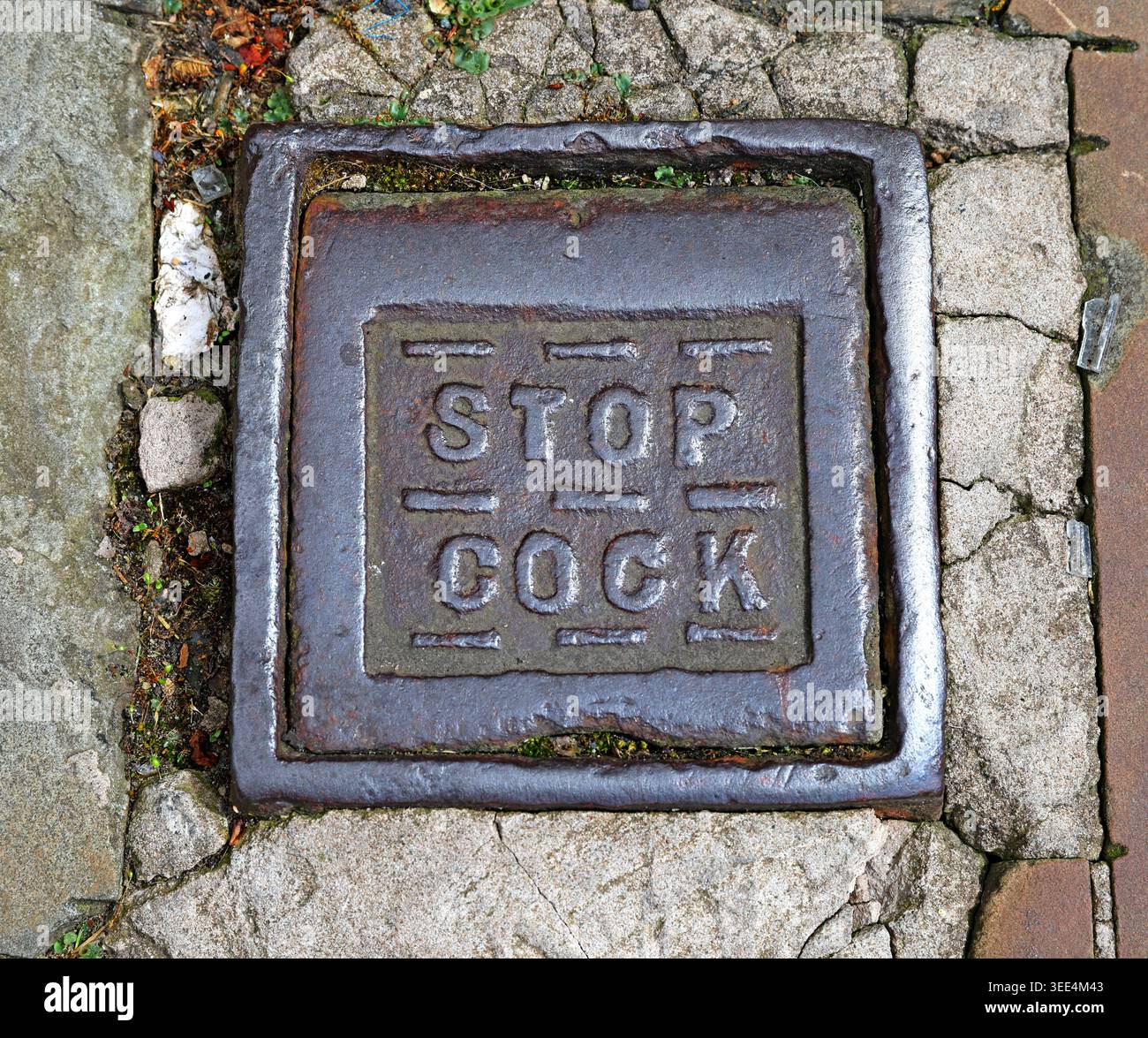
Image details
Contributor:
Tony SmithImage ID:
3EE4M43File size:
81.5 MB (6.2 MB Compressed download)Releases:
Model - no | Property - noDo I need a release?Dimensions:
5841 x 4876 px | 49.5 x 41.3 cm | 19.5 x 16.3 inches | 300dpiDate taken:
6 May 2026Location:
Wigan, Greater Manchester, England, UKMore information:
. Stop Cock Wigan, Wigan, England, UK. Photographed on 6 May 2026. The recorded location is Wigan, Greater Manchester, England, UK. For the story of regeneration, it is useful to note that place-based photography helps document the relationship between named locations and the people or businesses associated with them, especially where formal architectural records are limited. For present-day regeneration, 2026 is significant because current place-making policy increasingly emphasises distinctive local identity rather than generic development, so small landmarks and community businesses can become important parts of how an area is represented. Useful alternative terminology includes local history, place identity, townscape, streetscape, community history, local landmark, neighbourhood, urban change, local character, public realm, historic comparison, town centre, local heritage, Lancs, 255A9122, urban, heritage, tourism, and editorial. The historical setting for place-making is that local place names and small landmarks can be as important to community history as nationally famous buildings; Streets, neighbourhood businesses and informal attractions provide reference points that may vanish during redevelopment or rebranding. Seen through local heritage, the earlier context is that town and neighbourhood images record the accumulation of ordinary change: road layouts, shop names, signage, public art and building uses; Their value increases when compared over decades because apparently minor details can become the clearest evidence of transformation. For townscape, the historical context is that place-based photography helps document the relationship between named locations and the people or businesses associated with them, especially where formal architectural records are limited. Its wider context brings together local history, place identity and townscape. A further layer of meaning comes from place identity, townscape and streetscape.

