
The Cracks, Oldham St Manchester, Manchester, England, UK.
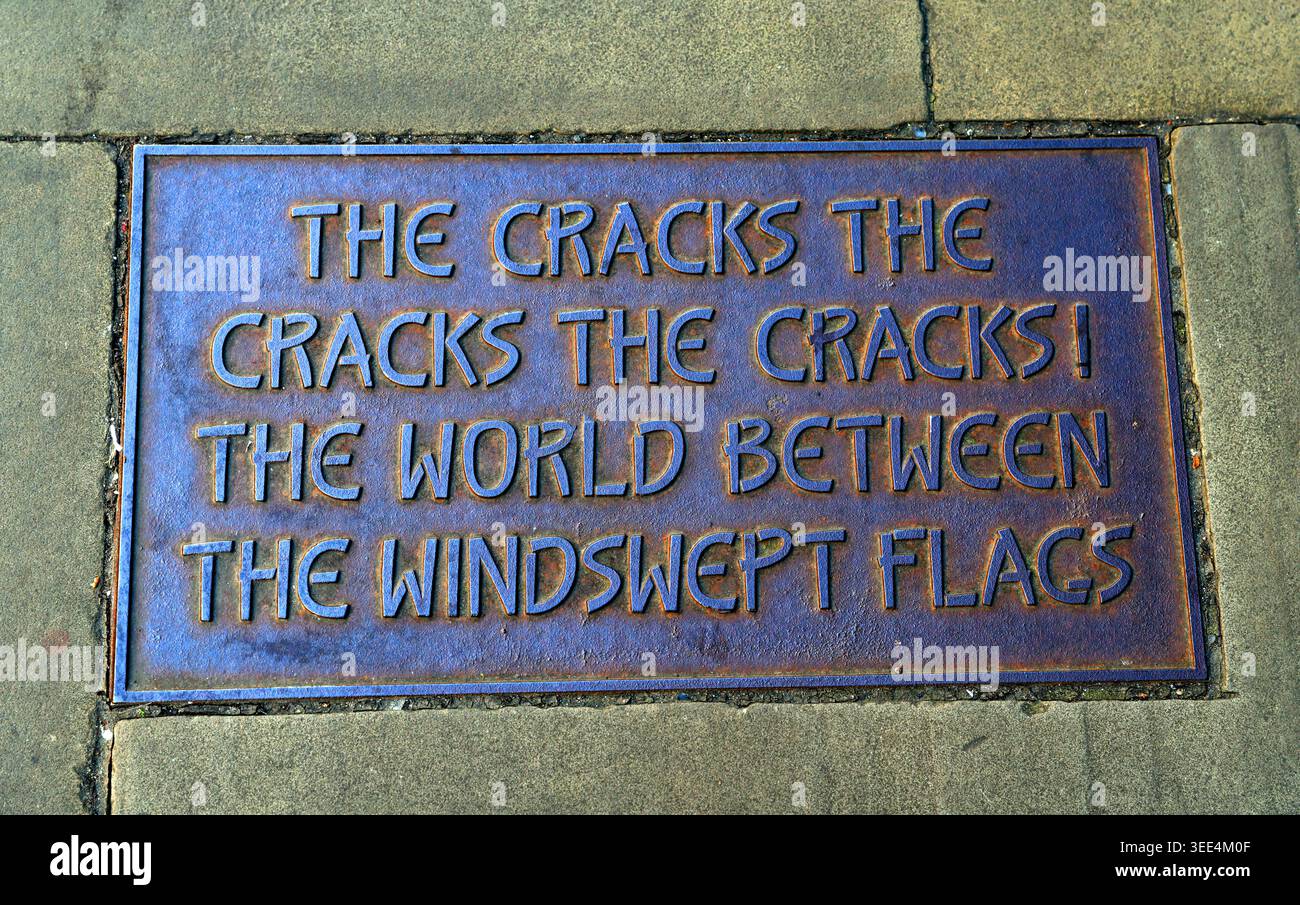
Image details
Contributor:
Tony SmithImage ID:
3EE4M0FFile size:
106.4 MB (8.8 MB Compressed download)Releases:
Model - no | Property - noDo I need a release?Dimensions:
7700 x 4828 px | 65.2 x 40.9 cm | 25.7 x 16.1 inches | 300dpiDate taken:
30 April 2026Location:
Manchester, Greater Manchester, England, UKMore information:
. The Cracks, Oldham St Manchester, Manchester, England, UK. Photographed on 30 April 2026. The recorded location is Manchester, Greater Manchester, England, UK. The historical setting for public library is that public libraries expanded during the nineteenth and twentieth centuries as part of civic education, later adding computers, events and digital services while retaining their role as shared community space. In the 2026 discussion of public library, libraries and museums continue to operate as community hubs, visitor attractions and sources of digital access, while funding pressures encourage partnerships, volunteering and new uses for historic buildings. Additional high-relevance terminology includes archive, collections, reading room, local history, heritage attraction, public history, museum display, archive research, library service, cultural institution, historical records, 255A8993, heritage, history, architecture, local, and conservation. Seen through local history, the earlier context is that libraries, museums and archives developed as civic institutions for preserving knowledge, objects and local records; Reading rooms, catalogues and display cases reveal how public access to information changed before digitisation transformed research. For museum display, the historical context is that museums turn objects into interpreted history, while archives preserve documents that may have little value until researchers connect them with people, buildings or events; Interiors therefore record both collections and changing curatorial practice. Looking at cultural institution, the longer history is that public libraries expanded during the nineteenth and twentieth centuries as part of civic education, later adding computers, events and digital services while retaining their role as shared community space. A further layer of meaning comes from archive, collections and reading room.

