
Porto Funicular, Funicular dos Guindais in Porto, upper Ribeira station, Rua Augusto Rosa / Batalha, adjacent to Porto Cathedral (Sé do Porto
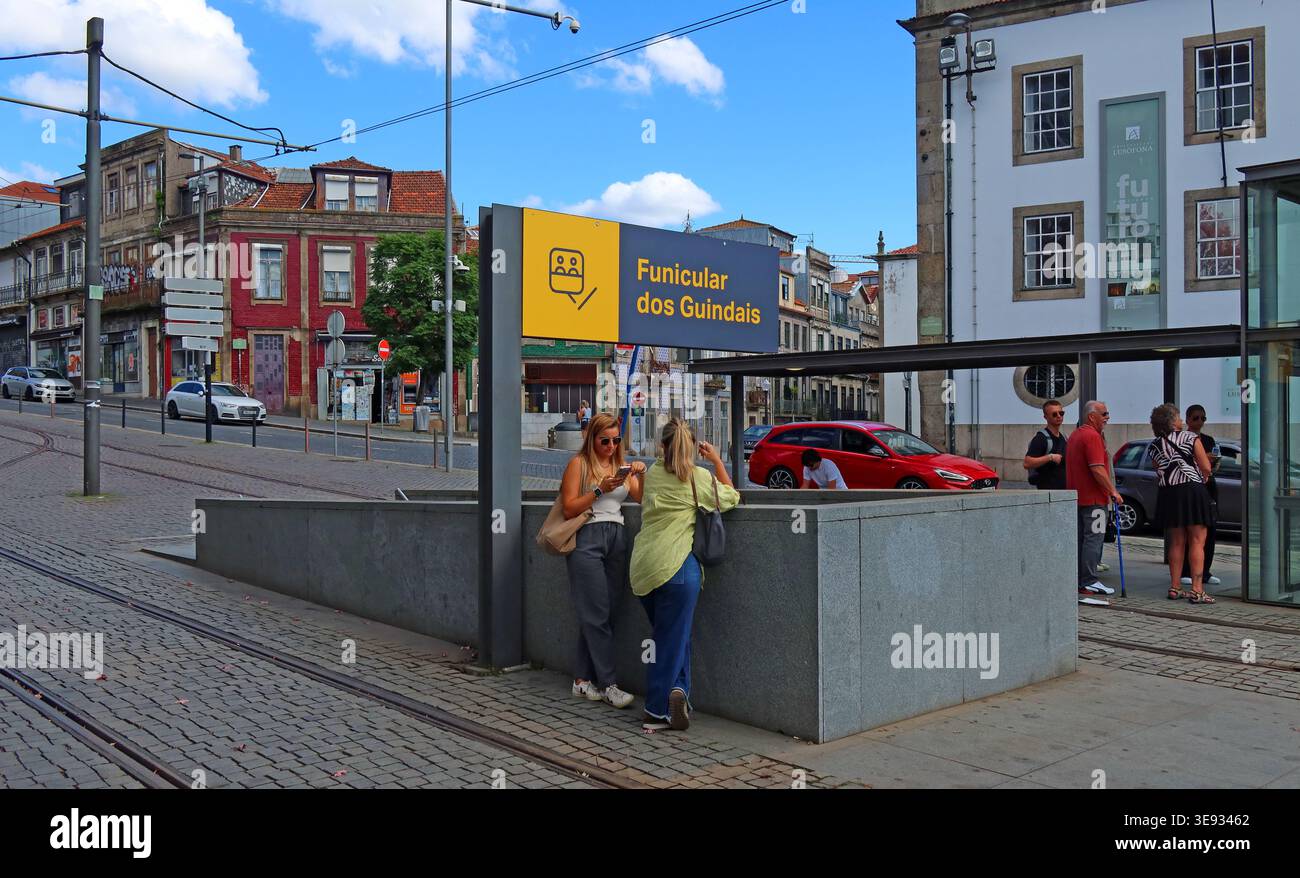
Image details
Contributor:
Tony SmithImage ID:
3E93462File size:
52 MB (2.1 MB Compressed download)Releases:
Model - no | Property - noDo I need a release?Dimensions:
5472 x 3320 px | 46.3 x 28.1 cm | 18.2 x 11.1 inches | 300dpiDate taken:
13 October 2024Location:
Porto, Portugal Rua Augusto Rosa / Batalha, adjacent to Porto Cathedral (Sé do Porto),More information:
. Porto Funicular, Funicular dos Guindais in Porto, upper Ribeira station, Rua Augusto Rosa / Batalha, adjacent to Porto Cathedral (Sé do Porto. Photographed on 13 October 2024. The recorded location is Porto, Portugal Rua Augusto Rosa / Batalha, adjacent to Porto Cathedral (Sé do Porto). Seen through historic comparison, the earlier context is that local place names and small landmarks can be as significant to community history as nationally famous buildings; Streets, neighbourhood businesses and informal attractions offer reference points that may vanish during redevelopment or rebranding. For ecclesiastical architecture, the historical context is that parish churches and cathedrals are among Britain's richest sources of architectural and social history; Medieval fabric, later chapels, organs, altars, monuments and inscriptions can coexist within a single building, revealing generations of craftsmanship and changing liturgy. Looking at platform, the longer history is that stations are both functional transport interchanges and pieces of civic architecture; Their canopies, footbridges, booking halls, signal boxes and signage reveal how passenger expectations and railway technology changed from steam-era operation to today's increasingly digital network. The 2026 relevance of historic comparison comes from the fact that current place-making policy increasingly emphasises distinctive local identity rather than generic development, so small landmarks and community businesses can become significant parts of how an area is represented. For ecclesiastical architecture, the 2026 context is that many historic churches face the practical challenge of maintaining listed fabric while remaining active community buildings, visitor attractions and venues for worship, music and local events; Conservation, heating costs and new uses are therefore part of the modern story of these ancient places.

