
Ribeira, specifically Cais da Ribeira, in Porto.
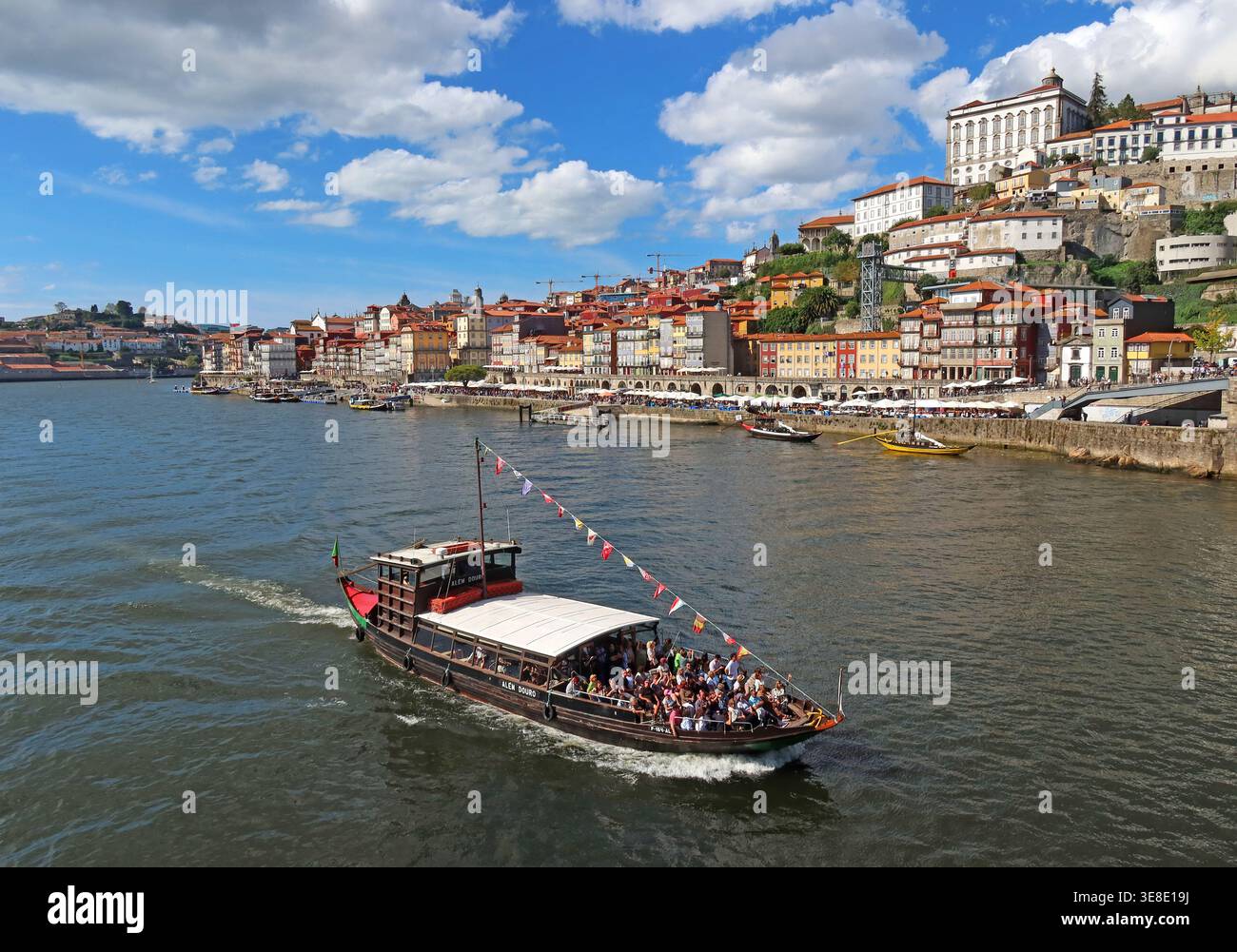
Image details
Contributor:
Tony SmithImage ID:
3E8E19JFile size:
46.2 MB (2.2 MB Compressed download)Releases:
Model - no | Property - noDo I need a release?Dimensions:
4800 x 3367 px | 40.6 x 28.5 cm | 16 x 11.2 inches | 300dpiDate taken:
13 October 2024Location:
Porto, PortugalMore information:
. Ribeira, specifically Cais da Ribeira, in Porto. Photographed on 13 October 2024. The recorded location is Porto, Portugal. In relation to local heritage, historical context shows that place-based photography helps document the relationship between named locations and the people or businesses associated with them, especially where formal architectural records are limited. As of 2026, the position for local heritage is that regeneration, housing growth and evolving high streets continue to alter many British towns, giving well-located photographs practical relevance for local-history comparison. Additional natural-language search terms include local history, place identity, townscape, streetscape, community history, local landmark, neighbourhood, urban change, local character, public realm, place-making, historic comparison, town centre, and IMG_1651. For the story of townscape, it is useful to note that local place names and small landmarks can be as significant to community history as nationally famous buildings; Streets, neighbourhood businesses and informal attractions offer reference points that may vanish during redevelopment or rebranding. The historical setting for local landmark is that town and neighbourhood photographs record the accumulation of ordinary change: road layouts, shop names, signage, public art and building uses; Their value increases when compared over decades because apparently minor details can become the clearest evidence of transformation. Seen through regeneration, the earlier context is that place-based photography helps document the relationship between named locations and the people or businesses associated with them, especially where formal architectural records are limited. For present-day townscape, 2026 is significant because regeneration, housing growth and changing high streets continue to alter many British towns, giving well-located photographs practical relevance for local-history comparison.

