
Porto street grid.
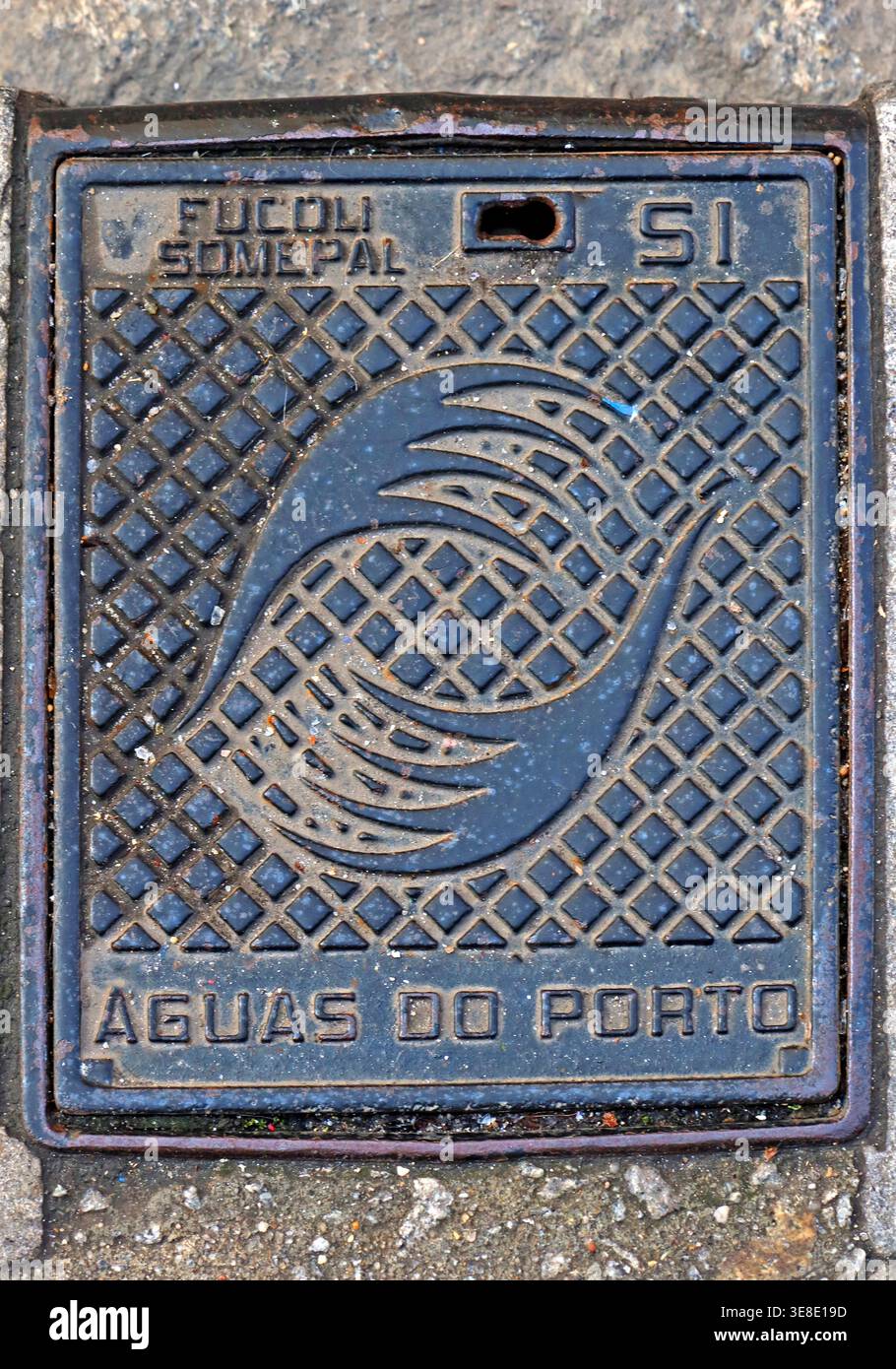
Image details
Contributor:
Tony SmithImage ID:
3E8E19DFile size:
48.8 MB (2.6 MB Compressed download)Releases:
Model - no | Property - noDo I need a release?Dimensions:
3456 x 4936 px | 29.3 x 41.8 cm | 11.5 x 16.5 inches | 300dpiDate taken:
12 October 2024Location:
Porto, PortugalMore information:
. Porto street grid. Photographed on 12 October 2024. The recorded location is Porto, Portugal. The historical setting for place identity is that town and neighbourhood photographs record the accumulation of ordinary change: road layouts, shop names, signage, public art and building uses; Their value increases when compared over decades because apparently minor details can become the clearest evidence of transformation. Seen through power lines, the earlier context is that electricity distribution developed from local undertakings into regional and national networks, while telecommunications shifted from copper telephone lines towards fibre; Street-level equipment records each stage of that transition. In the 2026 discussion of place identity, regeneration, housing growth and changing high streets continue to alter many British towns, giving well-located photographs practical relevance for local-past comparison. The 2026 relevance of power lines comes from the fact that resilience is an increasingly significant issue for utilities as extreme weather, cyber risks and growing electricity demand place pressure on ageing networks. Closely related image-search terms include local history, townscape, streetscape, community history, local landmark, urban change, local character, public realm, place-making, historic comparison, town centre, local heritage, utility infrastructure, Openreach, street ironwork, and gas network. Associated keywords and synonyms include water services, infrastructure, utility cover, telegraph pole, public utilities, network maintenance, energy distribution, communications network, and IMG_1254. For urban change, the historical context is that local place names and small landmarks can be as important to community history as nationally famous buildings; Streets, neighbourhood businesses and informal attractions provide reference points that may vanish during redevelopment or rebranding.

