
Bramley railway station, part of the West Yorkshire Metro network, Swinnow Road, Bramley, West Yorkshire, LS13 4DU
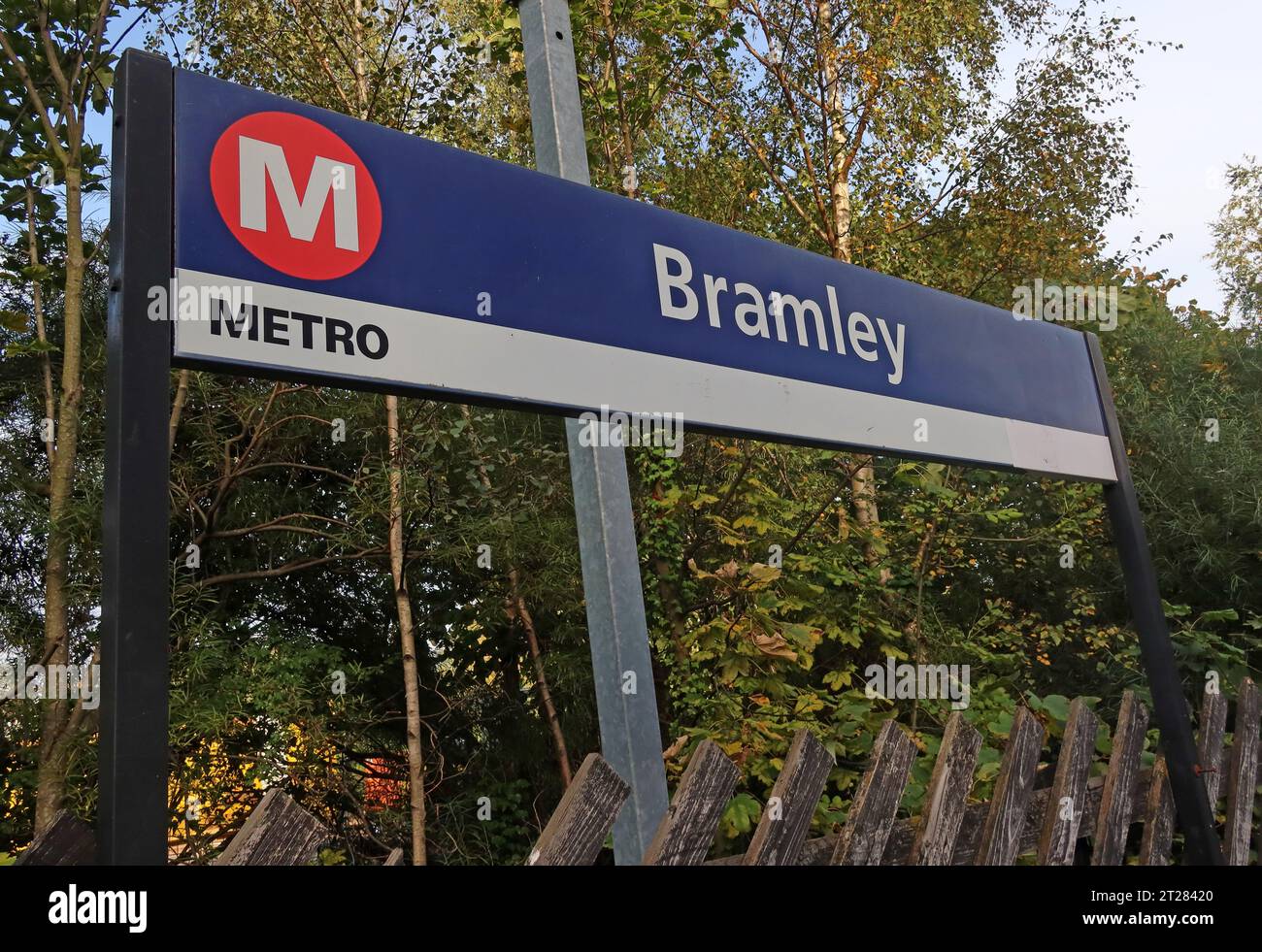
Image details
Contributor:
Tony SmithImage ID:
2T28420File size:
48.4 MB (2.5 MB Compressed download)Releases:
Model - no | Property - noDo I need a release?Dimensions:
4968 x 3408 px | 42.1 x 28.9 cm | 16.6 x 11.4 inches | 300dpiDate taken:
7 October 2023Location:
Swinnow Road, Bramley, West Yorkshire, LS13 4DUMore information:
Taken on 07 Oct 2023, this photograph shows Bramley railway station, part of the West Yorkshire Metro network, Swinnow Road, Bramley, West Yorkshire, LS13 4DU. The location is Swinnow Road, Bramley, West Yorkshire, LS13 4DU. The picture is not just a record shot: it contains platform, concourse or service signage details that place the railway scene in a real working transport environment. Bramley station serves west Leeds on the local rail network, making the scene relevant to commuter travel, service reliability, rail safety, accessibility and public transport investment. It could support features on pubs, beer, leisure, nightlife, tourism, heritage streets, local economies, independent hospitality and the pressures facing town-centre venues. For image buyers, the value is in the combination of recognisable subject, readable wording, location evidence and a plain documentary style that can be dropped into news, magazine, web, council, housing, transport, heritage or commercial commentary without looking over-produced. Searchable related phrases include Leeds, train, station, West Yorkshire Passenger Transport Executive, Swinnow Road, Bramley, Bramley railway station, public transport, town, Mary Gawthorpe, Yorkshire, rail, plus wider ideas such as local identity, public realm, urban detail, social history, commercial change, everyday Britain, documentary photography and place-based storytelling. The composition gives designers scope for captions, page furniture, social media crops, report covers and article thumbnails, while the detailed captioning makes it more discoverable for searches using both specific place names and broader themes. It also has a useful contemporary feel, because it shows how long-standing places, policies, products or institutions are encountered by ordinary people in daily life.

