
St Anns Well, pump room , George St, Buxton, High Peak, Derbyshire, England, UK, SK17 6AY
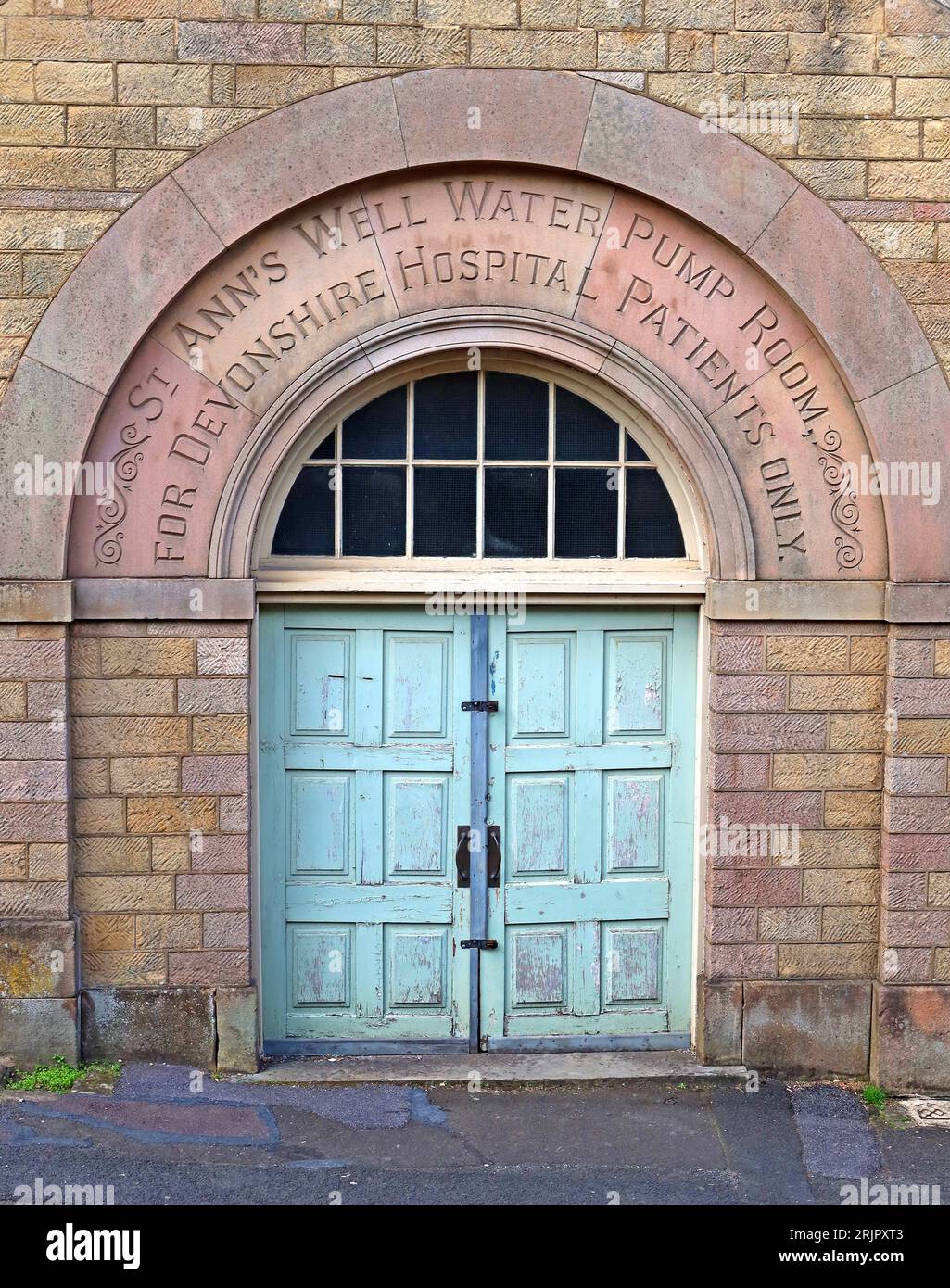
Image details
Contributor:
Tony SmithImage ID:
2RJPXT3File size:
48.3 MB (3.4 MB Compressed download)Releases:
Model - no | Property - noDo I need a release?Dimensions:
3648 x 4624 px | 30.9 x 39.1 cm | 12.2 x 15.4 inches | 300dpiDate taken:
20 August 2023Location:
George St, Buxton, High Peak, Derbyshire, England, UK, SK17 6AYMore information:
. St Anns Well, pump room , George St, Buxton, High Peak, Derbyshire, England, UK, SK17 6AY. Photographed on 20 August 2023. The Pump Room is well worth a visit alone. The newly-restored, stunning late Victorian building was erected to resolve the overcrowding of the town's thermal baths and provide a place for locals and holidaymakers to "'take the waters', commune and relax. The building is dedicated to Arnemetia, the Romano-British goddess of the sacred grove, referencing Buxton's history as one of Britain's only two Roman bath towns. Aquae Arnemetiae. Looking at drinking fountain, the longer history is that stone fountains and wells often combine engineering with inscriptions, local donors or commemorative purpose; Their position in market places and crossroads reflects a period when access to clean public water was a significant civic concern. The background to MRI is that diagnostic technologies such as MRI transformed medicine by allowing detailed internal imaging without ionising radiation, while dedicated scanning centres became increasingly common within hospital estates. In 2026, drinking fountain remains relevant because water features also contribute to public realm and heritage tourism, with restoration projects balancing historical fabric, accessibility and modern water-quality standards. Current 2026 context around MRI is that the NHS remains under sustained pressure from waiting lists, workforce shortages, ageing buildings and demand for diagnostics; Images of hospitals, MRI centres and ambulances therefore connect physical infrastructure with wider debate about access and capacity. Other strongly related concepts include public fountain, historic well, water supply, civic infrastructure, street furniture, heritage feature, water history, town landmark, refill water, public drinking water, local history, urban heritage, healthcare, medical services, and diagnostic imaging.

