
Button Street, Cavern Quarter, Liverpool, Merseyside, England, UK, L2 6PS
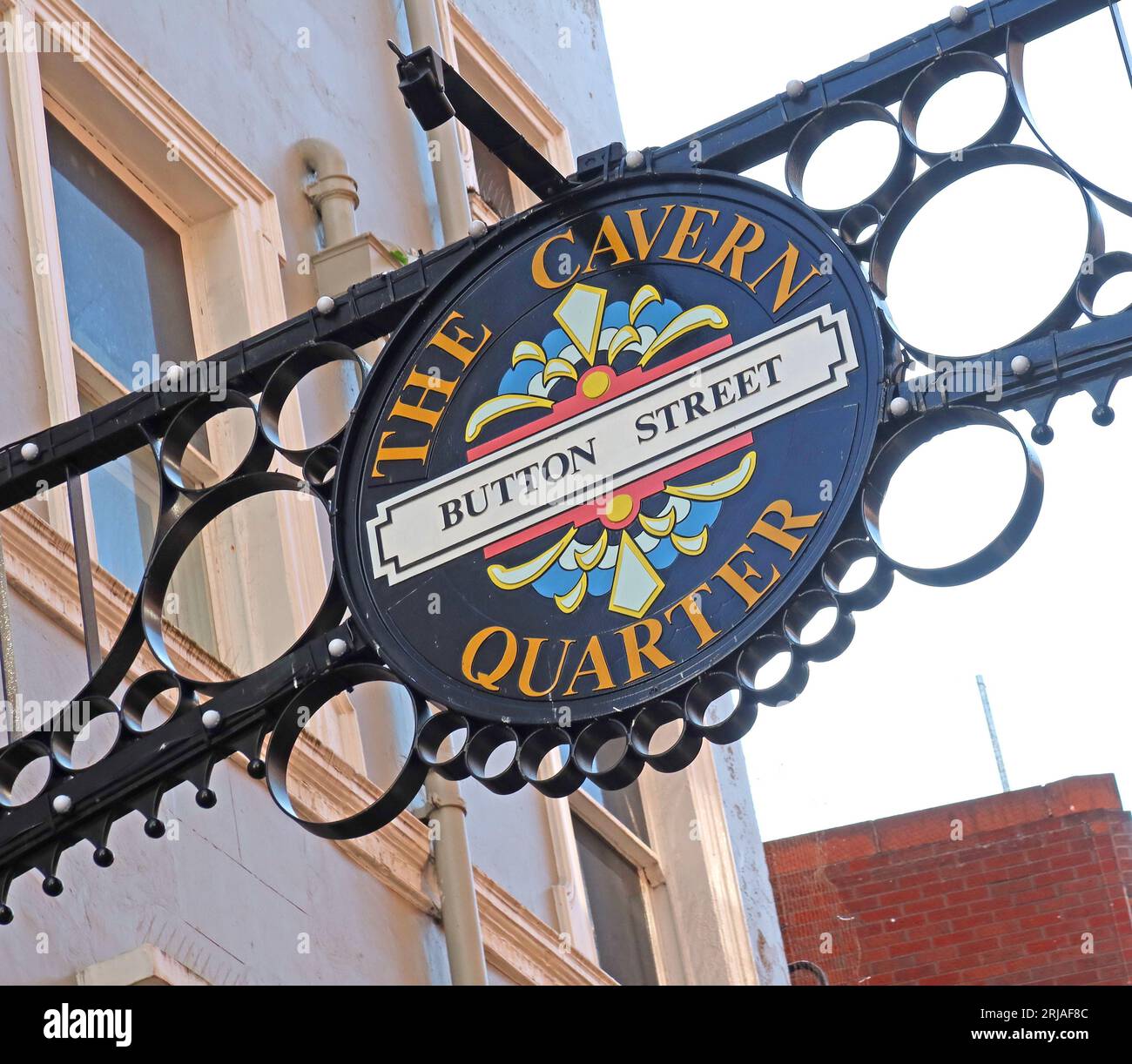
Image details
Contributor:
Tony SmithImage ID:
2RJAF8CFile size:
43.7 MB (1.4 MB Compressed download)Releases:
Model - no | Property - noDo I need a release?Dimensions:
4188 x 3648 px | 35.5 x 30.9 cm | 14 x 12.2 inches | 300dpiDate taken:
19 August 2023Location:
Button Street, Cavern Quarter, Liverpool, Merseyside, England, UK, L2 6PSMore information:
Taken on 19 Aug 2023, this photograph shows Button Street, Cavern Quarter, Liverpool, Merseyside, England, UK, L2 6PS. The location is Button Street, Cavern Quarter, Liverpool, Merseyside, England, UK, L2 6PS. The picture is not just a record shot: it contains crowds, bar signs, brickwork, hanging street signs and the compact entertainment-street atmosphere of Liverpool’s Cavern Quarter. Mathew Street and the Cavern Quarter are inseparable from Beatles tourism, live music heritage, pub culture and Liverpool’s visitor economy, with the narrow streets often busy on summer days. It could support features on pubs, beer, leisure, nightlife, tourism, heritage streets, local economies, independent hospitality and the pressures facing town-centre venues. For image buyers, the value is in the combination of recognisable subject, readable wording, location evidence and a plain documentary style that can be dropped into news, magazine, web, council, housing, transport, heritage or commercial commentary without looking over-produced. Searchable related phrases include Liverpool, city, tourism, attraction, Mathew St, Cavern Quarter, cavern, sign, entrance, Button St, centre, Merseyside, plus wider ideas such as local identity, public realm, urban detail, social history, commercial change, everyday Britain, documentary photography and place-based storytelling. The composition gives designers scope for captions, page furniture, social media crops, report covers and article thumbnails, while the detailed captioning makes it more discoverable for searches using both specific place names and broader themes. This makes the image useful for comparison pieces, then-and-now features, local news, regeneration stories and plain-English explainers aimed at a general audience. Further SEO-friendly usage could include local services, town-centre change, heritage branding, British social history

