
Frontage of Todmorden industrial & Co-Operative society Limited, 29 Rochdale Rd, Todmorden, Calderdale, West Yorkshire, England, OL14 7LA
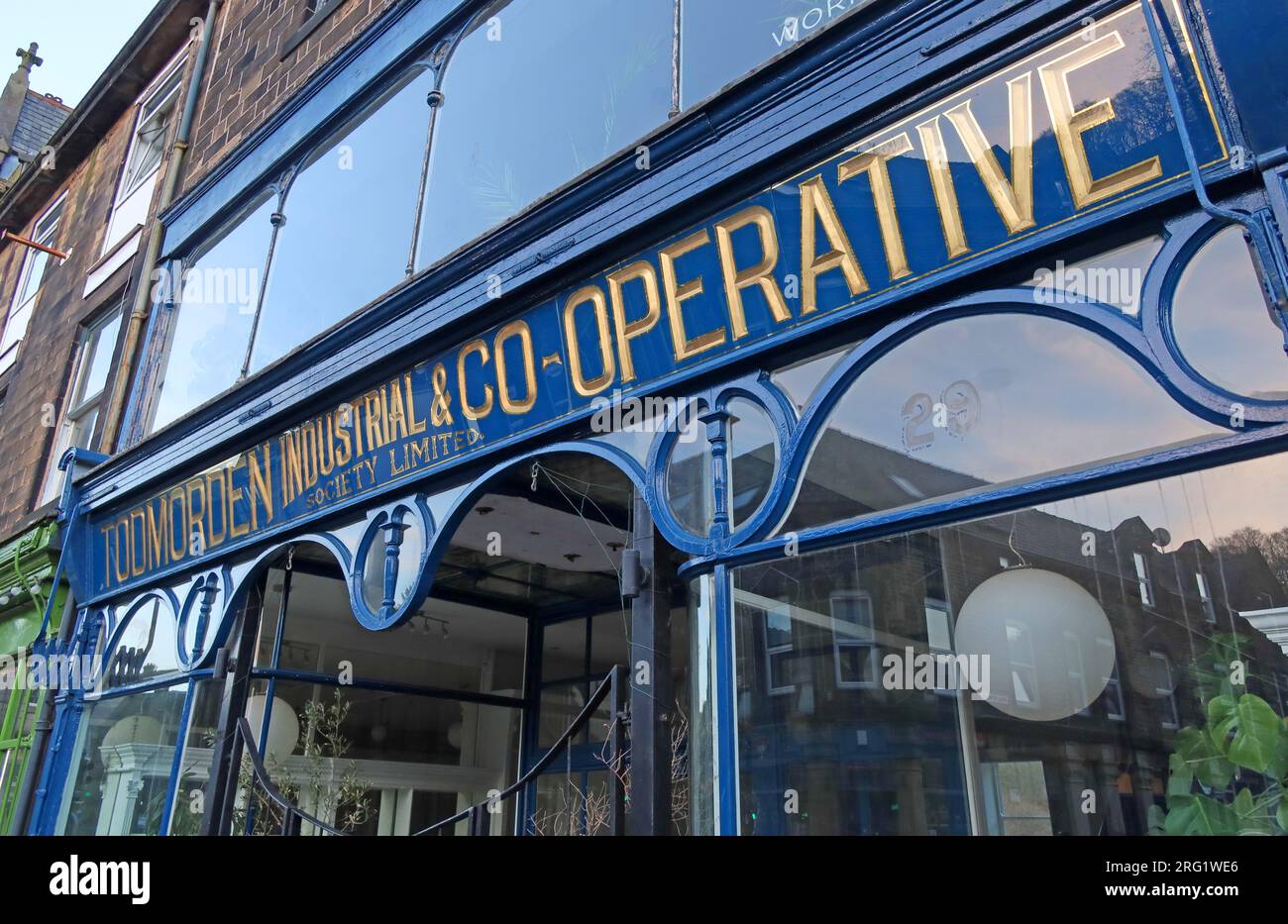
Image details
Contributor:
Tony SmithImage ID:
2RG1WE6File size:
55.6 MB (2.1 MB Compressed download)Releases:
Model - no | Property - noDo I need a release?Dimensions:
5472 x 3552 px | 46.3 x 30.1 cm | 18.2 x 11.8 inches | 300dpiDate taken:
25 March 2023Location:
27 Rochdale Rd, Todmorden, West Yorkshire, England, UK, OL14 7LAMore information:
. Frontage of Todmorden industrial & Co-Operative society Limited, 29 Rochdale Rd, Todmorden, Calderdale, West Yorkshire, England, OL14 7LA. Photographed on 25 March 2023. The recorded location is 27 Rochdale Rd, Todmorden, West Yorkshire, England, UK, OL14 7LA. Todmorden is a market town and civil parish in the Upper Calder Valley in Calderdale, West Yorkshire, England. It is 17 miles (27 kilometres) north-east of Manchester, 8 miles (13 km) south-east of Burnley and 9 miles (14 km) west of Halifax. In 2011, it had a population of 15, 481. Todmorden is at the confluence of three steep-sided Pennine valleys and is surrounded by moorlands with outcrops of sandblasted gritstone. The historic boundary between Yorkshire and Lancashire is the River Calder and its tributary, Walsden Water, which run through the town. The administrative border was altered by the Local Government Act 1888 placing the whole of the town within the West Riding. The town is served by Todmorden and Walsden railway stations. The background to manufacturing is that industrial buildings and machinery preserve the material history of manufacturing: steam power, engineering, mining, textiles, ceramics and mass production transformed both the economy and the physical character of towns; Surviving equipment is now studied as industrial archaeology. Within the history of local economy, small businesses have long adapted existing premises to changing consumer demand, adding signs, windows and interiors that make each period visually distinct; Their survival is closely tied to footfall, rents, local competition and the wider fortunes of the town centre. In relation to visitor guidance, historical context shows that temporary and permanent notices are valuable social-past evidence because they capture the rules and assumptions of a particular moment, from parking and access to opening times, safety and public-service instructions.

