
Port of Leith, Cruise Liner Terminal, Forth Ports, Capital Cruising - Edinburgh - London, Cruise Line Terminal, 100 Ocean Dr, Leith, Edinburgh EH6 6JJ
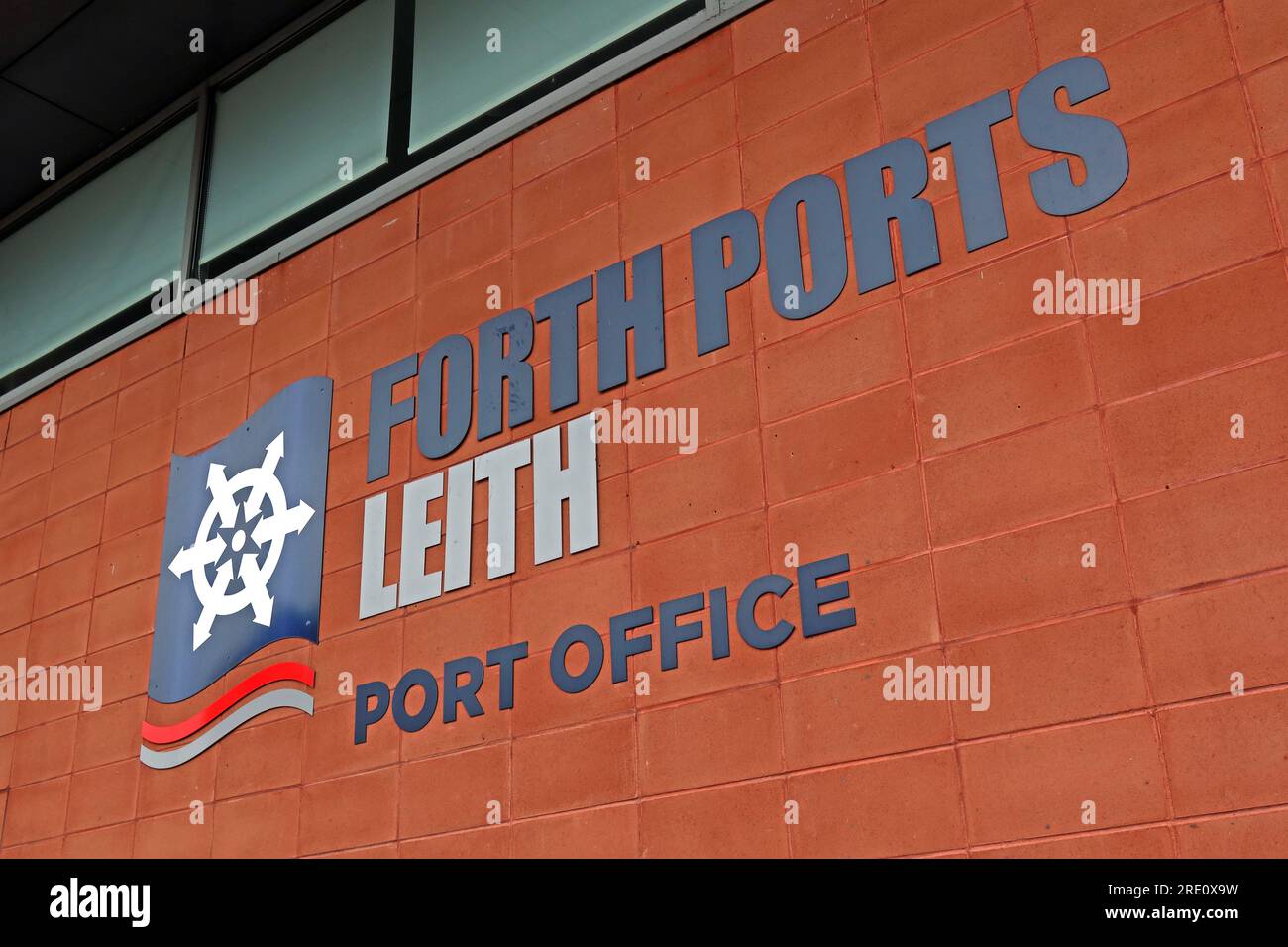
Image details
Contributor:
Tony SmithImage ID:
2RE0X9WFile size:
57.1 MB (2.1 MB Compressed download)Releases:
Model - no | Property - noDo I need a release?Dimensions:
5472 x 3648 px | 46.3 x 30.9 cm | 18.2 x 12.2 inches | 300dpiDate taken:
22 July 2023Location:
Cruise Line Terminal, 100 Ocean Drive, Leith, Edinburgh, Scotland, UK, EH6 6JJMore information:
. Port of Leith, Cruise Liner Terminal, Forth Ports, Capital Cruising - Edinburgh - London, Cruise Line Terminal, 100 Ocean Dr, Leith, Edinburgh EH6 6JJ. Photographed on 22 July 2023. The recorded location is Cruise Line Terminal, 100 Ocean Drive, Leith, Edinburgh, Scotland, UK, EH6 6JJ. Forth Ports Leith is Scotland's largest enclosed deep-water port with the capability of handling vessels up to 50, 000 deadweight tonnes. Located to the north east of Edinburgh, less than 3 miles from the city centre, the port has access to Scotland's road and rail networks and is well positioned for all North Sea shipping activities. Focussing on a range of cargo types, Leith has forged long-term relationships with customers ensuring that their needs are met for the reception and onward delivery of cargoes such as grain, animal feed, steel pipes and recycled products, ensuring that industries such as food production, oil and gas, and agriculture continue to operate and thrive. For the story of coastal economy, it is useful to note that working harbours combine civil engineering with everyday transport; Their breakwaters, piers, navigation lights and boarding areas reflect successive generations of investment as traditional fishing and coastal shipping have been joined by tourism, cruise traffic and lifeline ferry services. The historical setting for wayfinding is that signs are functional pieces of graphic design that organise movement and communicate rules, names or destinations; Lettering, symbols, colours and materials can date public space as clearly as architecture, particularly when organisations rebrand or regulations evolution. For present-day coastal economy, 2026 is significant because current 2026 transport policy places increasing emphasis on integrated journeys, active travel and lower-emission fleets, so ferry terminals now sit within wider networks of rail, bus, cycling and electric-vehicle infrastructure rather than functioning as isolated ports.

