
Lancaster City Council, Public Realm, No metal detecting sign, criminal offence - In city centre close to Priory Church of Saint Mary
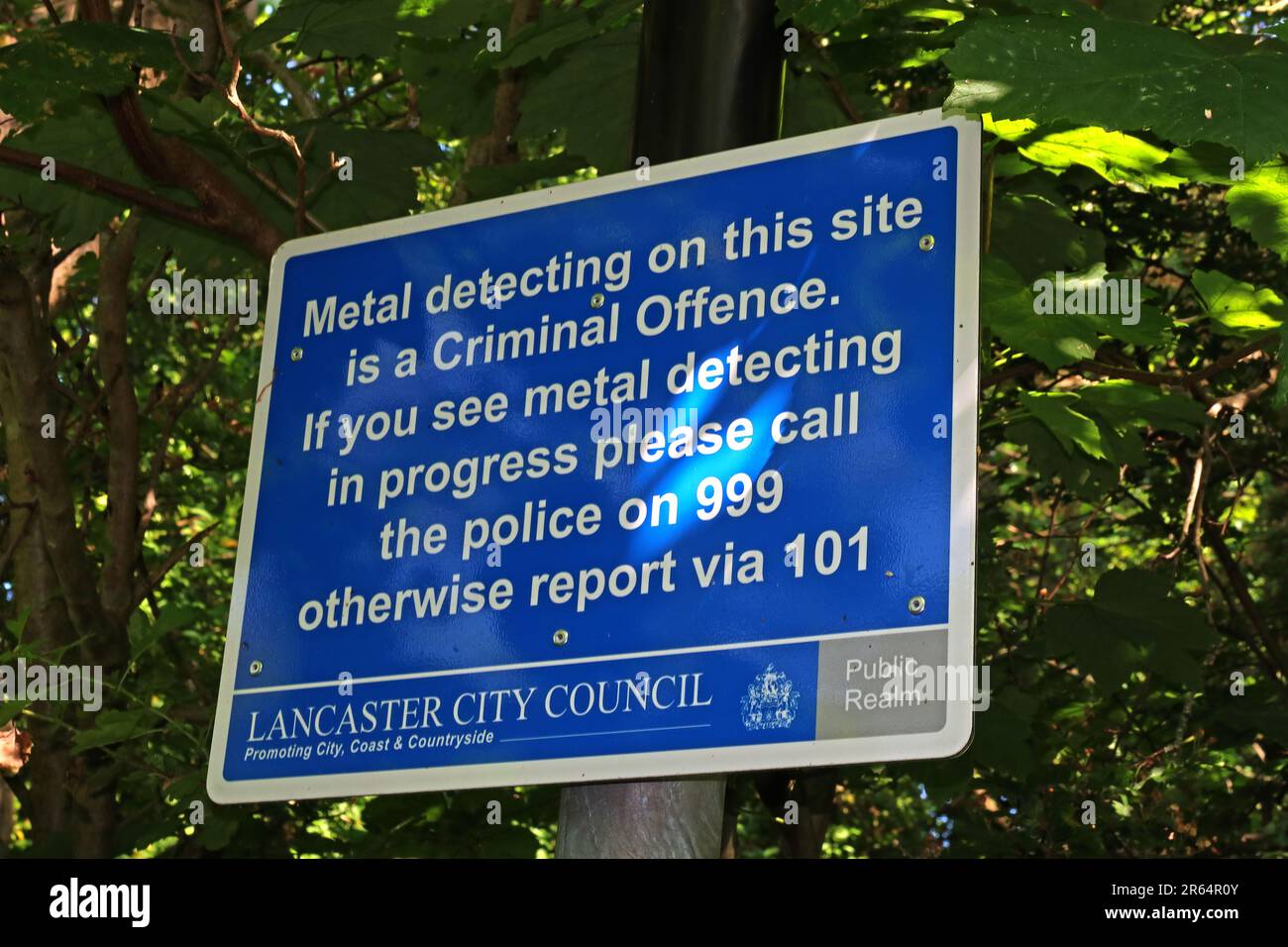
Image details
Contributor:
Tony SmithImage ID:
2R64R0YFile size:
57.1 MB (1.5 MB Compressed download)Releases:
Model - no | Property - noDo I need a release?Dimensions:
5472 x 3648 px | 46.3 x 30.9 cm | 18.2 x 12.2 inches | 300dpiDate taken:
3 June 2023More information:
. Lancaster City Council, Public Realm, No metal detecting sign, criminal offence - In city centre close to Priory Church of Saint Mary. Photographed on 3 June 2023, this summer image records the subject in its real-world setting and provides a contemporary visual reference for the place, activity, object or organisation shown. Key searchable subjects associated with the scene include Lancashire, metal detecting, metal, detector, detectors, prohibited, site, you, see, progress, please, call, providing natural SEO coverage without losing the specific documentary identity of the photograph. The wording and graphic design are important parts of the image, preserving contemporary language, typography, branding or campaigning material that may later disappear or change. Architecturally, the scene records the form, materials, scale and public-facing character of the built environment, making it useful for coverage of design, planning, conservation, development and urban identity. The image has value for architectural and place-based research because buildings and interiors can be refurbished, repurposed, demolished or substantially altered, while streets and public spaces also evolve. Prominent wording, signage, posters, logos or other graphic material gives the photograph additional documentary value because it records how an organisation, campaign, business or place communicated with the public at that moment. Text and branding visible in a streetscape can be especially useful for editorial comparison after rebranding, closure, redevelopment or policy change. The religious or ecclesiastical setting gives the photograph relevance to faith, worship, sacred architecture, stained glass, church heritage, tourism and the conservation of historic interiors and buildings. It can illustrate the continuing cultural role of churches and cathedrals as places of worship, community activity, music, remembrance and architectural interest.

