
Lowthers riverside pub, river Ouse, York city centre, 8 Cumberland Street, York, England, UK, YO1 9SW
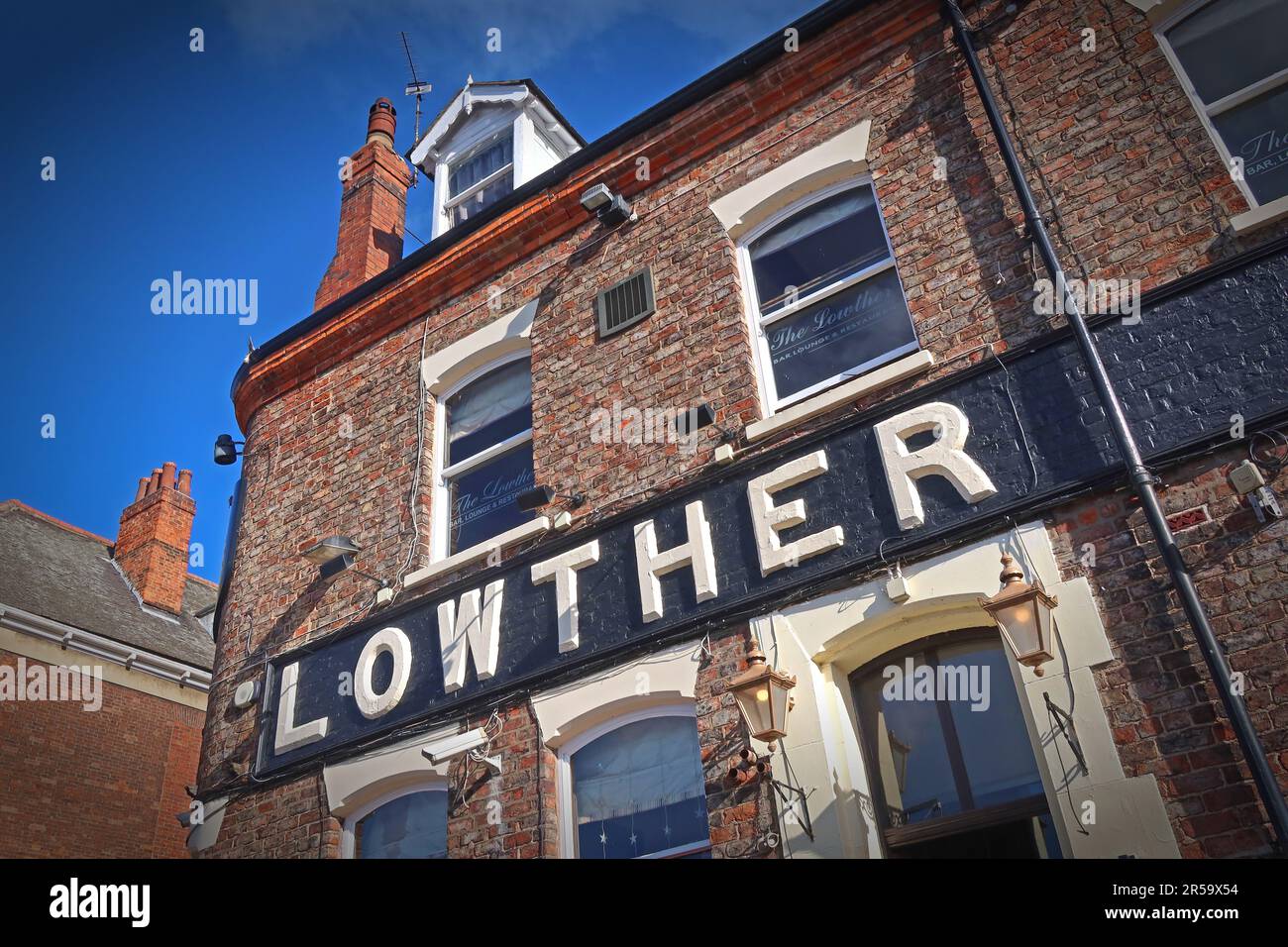
Image details
Contributor:
Tony SmithImage ID:
2R59X54File size:
57.1 MB (2.7 MB Compressed download)Releases:
Model - no | Property - noDo I need a release?Dimensions:
5472 x 3648 px | 46.3 x 30.9 cm | 18.2 x 12.2 inches | 300dpiDate taken:
16 October 2022Location:
8 Cumberland Street, York, England, UK, YO1 9SWMore information:
. Lowthers riverside pub, river Ouse, York city centre, 8 Cumberland Street, York, England, UK, YO1 9SW. Photographed on 16 October 2022, this autumn image records the subject in its real-world setting and provides a contemporary visual reference for the place, activity, object or organisation shown. The recorded location is 8 Cumberland Street, York, England, UK, YO1 9SW, adding precise geographical context for editorial, documentary, travel and local-history searches. Key searchable subjects associated with the scene include bar, bars, pubs, pub, Ouse, North Yorkshire, YO1, YO1 9SW, side, history, signage, landmark, providing natural SEO coverage without losing the specific documentary identity of the photograph. The subject has strong relevance to British pub and beer culture, licensed premises, hospitality, brewing, cask ale, consumer leisure and the continuing role of pubs as social meeting places. It is suitable for coverage of the licensed trade, independent and managed pubs, brewery branding, CAMRA and real-ale culture, hospitality economics, changing drinking habits and the condition of the UK pub sector. Food and drink content broadens the image's relevance to eating out, grocery retail, hospitality, pricing, consumer choice, local food culture and the commercial presentation of meals, ingredients or products. It can illustrate changing tastes, inflation and cost-of-living pressures, food retail competition, traditional businesses and the everyday economics of buying food and drink where those themes are relevant. The waterside context adds themes of ports, docks, harbours, rivers, canals, ferries, leisure boating, maritime transport and waterfront regeneration. Such views are useful for travel and infrastructure coverage as well as for documenting how working waterfronts, passenger services and former industrial land change over time. The scene contributes a specific, place-based record rather than a generic illustration.

