
Tillsley, Edward, Dairymen,120 Goodison Road, Goodison Rd, Liverpool , Merseyside, England, UK, L4 4EL
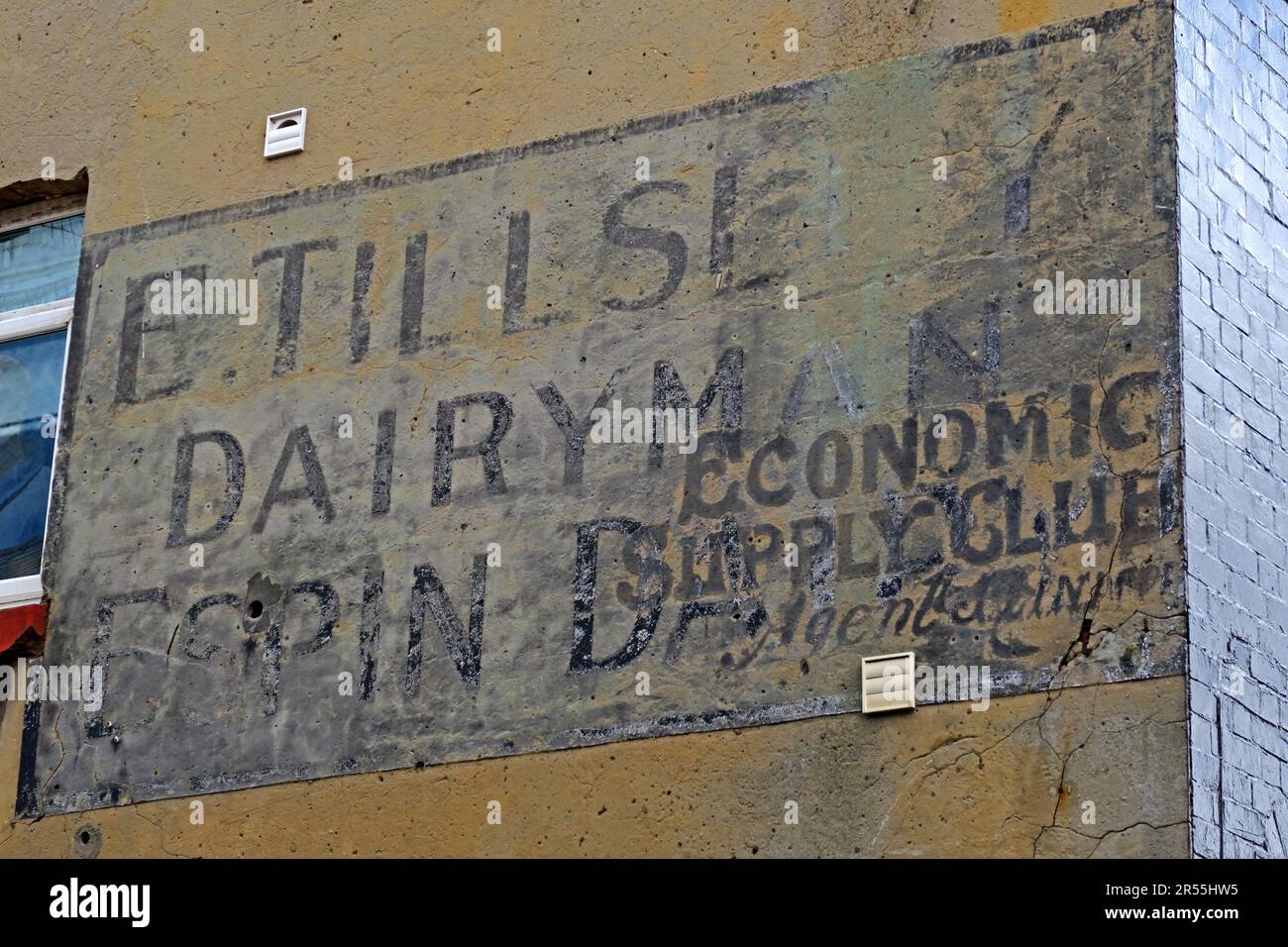
Image details
Contributor:
Tony SmithImage ID:
2R55HW5File size:
57.1 MB (3.1 MB Compressed download)Releases:
Model - no | Property - noDo I need a release?Dimensions:
5472 x 3648 px | 46.3 x 30.9 cm | 18.2 x 12.2 inches | 300dpiDate taken:
17 May 2019Location:
120 Goodison Road, Liverpool, Merseyside, England, UK, L4 4ELMore information:
. Tillsley, Edward, Dairymen, 120 Goodison Road, Goodison Rd, Liverpool , Merseyside, England, UK, L4 4EL. Photographed on 17 May 2019. The recorded location is 120 Goodison Road, Liverpool, Merseyside, England, UK, L4 4EL. In historical terms, heritage photography is particularly useful where buildings or objects have changed function; A former workplace, shop, transport structure or piece of equipment can become a museum object or landmark, linking everyday history with conservation and interpretation. The wider historical story is that sports venues and objects often carry strong associations with particular eras, clubs and events; Changes in branding, safety standards, broadcasting and stadium design mean relatively recent images can acquire historical value rapidly. The historical context is that images of people at work document changing occupations and working practices; Clothing, equipment and surroundings can reveal how service, craft and professional roles were organised at the time the photograph was made. During 2026, heritage remains economically and culturally significant through tourism, education and place-making, while the cost of maintaining historic fabric creates continuing debate about conservation and reuse. In the present 2026 context, professional sport is increasingly shaped by digital broadcasting, data, sponsorship and sophisticated venues, while heritage grounds and physical memorabilia retain strong emotional appeal for supporters. In the longer view, older structures and artefacts provide tangible evidence that written records cannot fully replace; Their wear, construction, signage and setting help researchers understand community history, design, industry and social life across different periods. Against the 2026 backdrop, heritage remains economically and culturally significant through tourism, education and place-making, while the cost of maintaining historic fabric creates continuing debate about conservation and reuse.

