
Red Neon sign at Chicken & Tunes, Pattersons, 28 Gradwell St, Liverpool, Merseyside, England, UK, L1 4JH
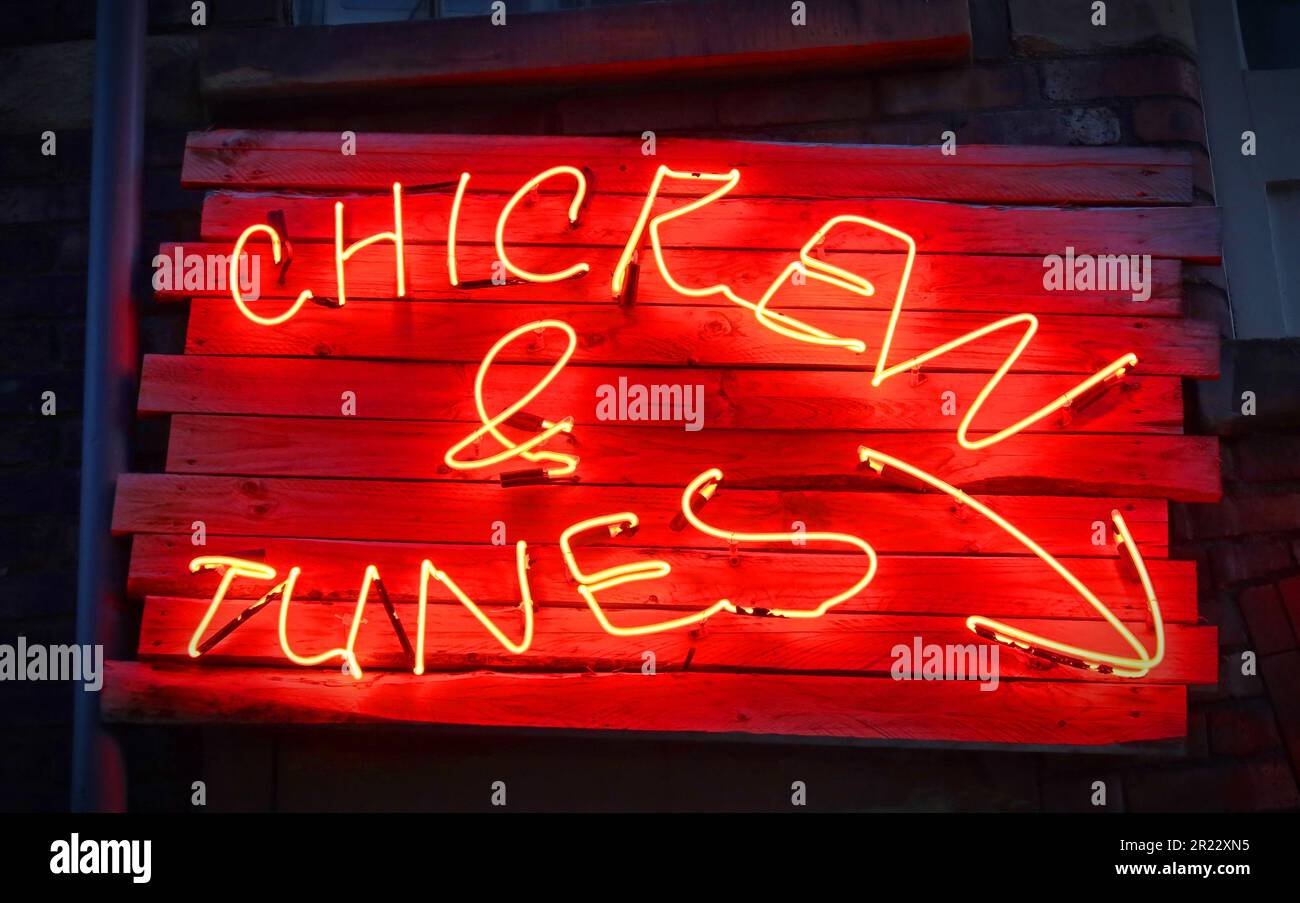
Image details
Contributor:
Tony SmithImage ID:
2R22XN5File size:
37.3 MB (974.1 KB Compressed download)Releases:
Model - no | Property - noDo I need a release?Dimensions:
4566 x 2856 px | 38.7 x 24.2 cm | 15.2 x 9.5 inches | 300dpiDate taken:
12 May 2023Location:
28 Gradwell St, Liverpool, Merseyside, England, UK, L1 4JHMore information:
. Red Neon sign at Chicken & Tunes, Pattersons, 28 Gradwell St, Liverpool, Merseyside, England, UK, L1 4JH. Photographed on 12 May 2023. Pub with chicken & music. In historical terms, ephemeral design is especially useful to social historians because it was created for immediate use rather than posterity; A ticket, label or novelty card can reveal contemporary humour, branding, consumer habits and printing style in a compact object. From a heritage perspective, signs and notices are ephemeral pieces of design that can become important historical evidence; Lettering, logos, warnings and directions record former businesses, regulations, transport systems and public messages that may disappear long before the surrounding building changes. During 2026, much ticketing, advertising and personal communication is digital, making earlier printed ephemera increasingly distinctive as evidence of pre-digital communication; Physical cards, labels and tickets also provide a contrast with QR codes, apps and paperless transactions. As of 2026, digital wayfinding is widespread, but physical signage remains essential for safety, accessibility and identity; Historic notices and ghost signs are also increasingly appreciated as part of the character of streets and buildings. In the longer view, printed and graphic ephemera are highly effective dating evidence; Tickets, labels, cards, stamps, posters and logos combine wording, typography, colour and branding in forms that are often discarded after use, so surviving examples can become valuable records of popular culture and commerce. As background, graphic design turns practical information into a visual object; Typefaces, colour, layout and printing methods can identify a period or brand, while small items such as tickets and cards preserve events, prices and messages that may exist nowhere else in physical form. Closely related image-search terms include visual communication, print design, and retro design.

