
George Orme of Oldham, Ormes patent PICKS counter, cotton weaving machines, Burnley, Lancashire, England, UK
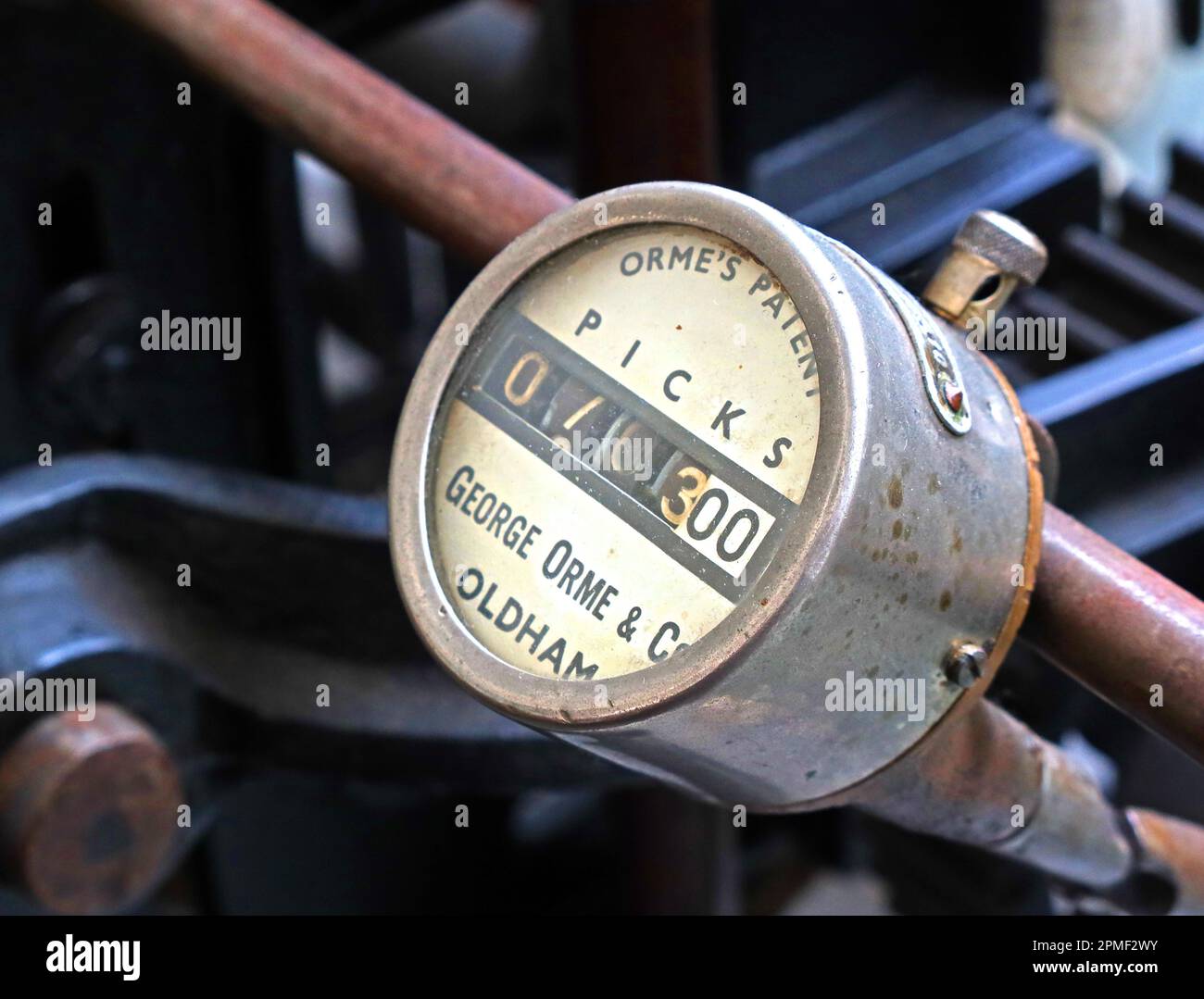
Image details
Contributor:
Tony SmithImage ID:
2PMF2WYFile size:
40.6 MB (1.1 MB Compressed download)Releases:
Model - no | Property - noDo I need a release?Dimensions:
4320 x 3288 px | 36.6 x 27.8 cm | 14.4 x 11 inches | 300dpiDate taken:
6 April 2023Location:
Oldham, Lancashire, England, UK, OL1 1HDMore information:
. George Orme of Oldham, Ormes patent PICKS counter, cotton weaving machines, Burnley, Lancashire, England, UK. Photographed on 6 April 2023, this spring image records the subject in its real-world setting and provides a contemporary visual reference for the place, activity, object or organisation shown. The recorded location is Oldham, Lancashire, England, UK, OL1 1HD, adding precise geographical context for editorial, documentary, travel and local-history searches. Key searchable subjects associated with the scene include patent, PICKS, counter, cotton weaving, manufacturing, manufacture, George Orme, Oldham, OL1, Lancashire, OL1 1HD, Greater Manchester, providing natural SEO coverage without losing the specific documentary identity of the photograph. Industrial subject matter gives the image strong relevance to manufacturing, engineering, energy, utilities, machinery, skilled work and Britain's industrial heritage. The photograph can support stories about technological change, preservation, infrastructure, deindustrialisation, redevelopment and the reuse of former working sites for culture, housing, tourism or new commercial purposes. The frame provides a detailed documentary record of the subject as it appeared at the time of photography, preserving the surrounding context as well as the principal feature. Its value is both descriptive and editorial, allowing the scene to illustrate news, features, local history, travel, social change and retrospective comparison. Visible or contextual elements such as architecture, signage, branding, public realm, transport infrastructure, street furniture and everyday activity help establish a strong sense of place where they form part of the scene. The photograph can also support future before-and-after use if the building, business, service, streetscape, transport operation or public space is later altered, redeveloped, rebranded or closed.

