
1960s Baird Record player, with Polygon vinyl 12" LP on the turntable
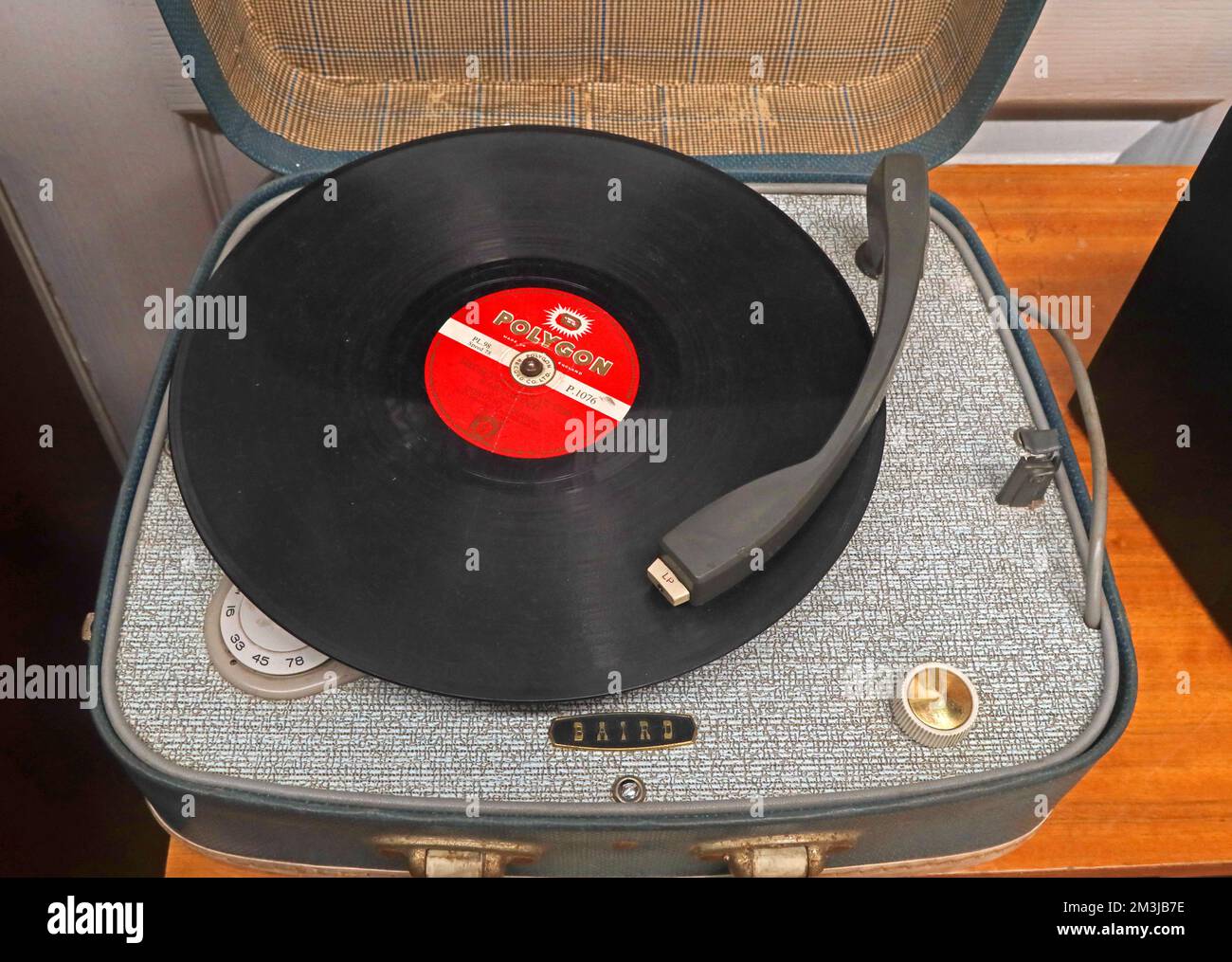
Image details
Contributor:
Tony SmithImage ID:
2M3JB7EFile size:
53.5 MB (2.2 MB Compressed download)Releases:
Model - no | Property - noDo I need a release?Dimensions:
5124 x 3648 px | 43.4 x 30.9 cm | 17.1 x 12.2 inches | 300dpiDate taken:
29 October 2022More information:
. An on-location photograph from the recorded location in 2022, showing the named subject as part of a wider social, commercial, cultural or physical setting rather than as an isolated object. At the centre of the view is 1960s Baird Record player, with Polygon vinyl 12 LP on the turntable. The locality and subject together evoke social history, local history, community identity, regional music heritage, memorial culture, archival record, place identity, contemporary social history, local character, commemorative plaque, documentary photography, public realm, before-and-after reference, and cultural memory. In present-day coverage, the subject reaches into venue closures and commemoration, not least because of how public plaques turn personal remembrance into shared cultural memory. Future viewers can use this scene from the recorded location to compare materials and architectural details with whatever follows after closure or conversion. A second descriptive layer includes period detail, local remembrance, changing streetscape, community tribute, popular-music heritage, historical comparison, music-scene memorial, and visual archive. The combination of Record, vinyl, Baird, player, and 1960s anchors the frame to a recognisable activity, place or moment. The wider setting at the recorded location matters because ordinary visual details often provide the strongest evidence of how a place actually looked and functioned. A further contemporary connection is venue closures and how public plaques turn personal remembrance into shared cultural memory without losing the local specificity of the recorded location. The wider significance includes music heritage and how public plaques turn personal remembrance into shared cultural memory in a form that can be compared with future views of the recorded location. The scene captures evidence of changing use as part of the recorded location's history.

