
Toddricks Wynd, 48 High St, Royal Mile, Edinburgh old town, Lothian, Scotland, UK, EH1 1TB
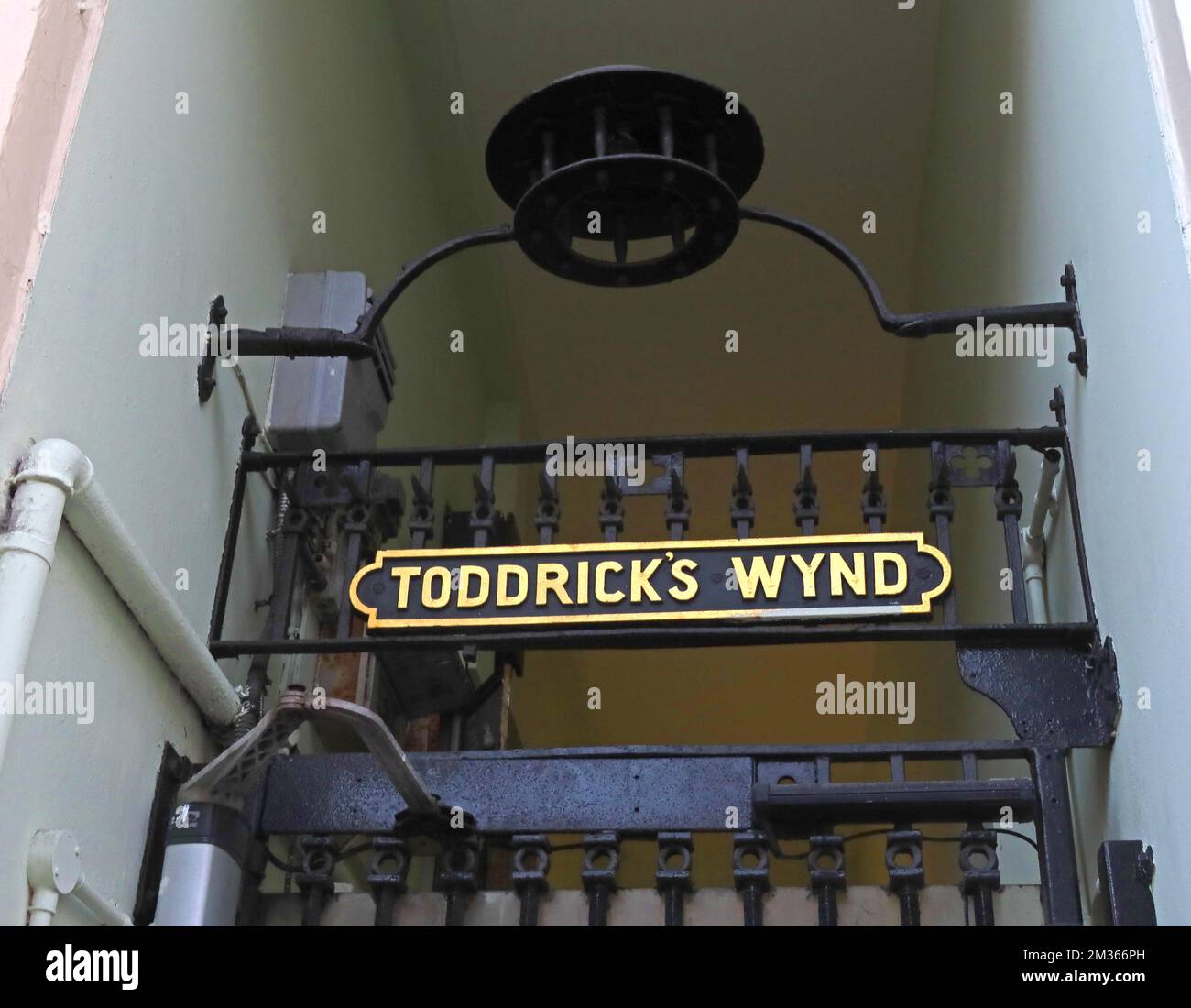
Image details
Contributor:
Tony SmithImage ID:
2M366PHFile size:
49 MB (1.3 MB Compressed download)Releases:
Model - no | Property - noDo I need a release?Dimensions:
4692 x 3648 px | 39.7 x 30.9 cm | 15.6 x 12.2 inches | 300dpiDate taken:
27 November 2022Location:
Toddricks Wynd, 48 High St, Royal Mile, Edinburgh old town, Lothian, Scotland, UK, EH1 1TBMore information:
. Toddricks Wynd, 48 High St, Royal Mile, Edinburgh old town, Lothian, Scotland, UK, EH1 1TB. Photographed on 27 November 2022. Todrick's Wynd - Entirely demolished - It ran from the High Street to the Cowgate a little east from Blackfriars Wynd. Historically, heritage photography is particularly useful where buildings or objects have changed function; A former workplace, shop, transport structure or piece of equipment can become a museum object or landmark, linking everyday history with conservation and interpretation. As background, city-centre photography documents both designed space and informal use; Architecture, signage, traffic, public art and pedestrian movement together reveal how people experience a place, often providing a more useful record of urban change than landmark photographs alone. In 2026, conservation is increasingly considered alongside regeneration, climate resilience and adaptive reuse; The value of a historic subject therefore lies not only in nostalgia but in the evidence it provides about materials, local identity and how places change. Against the 2026 backdrop, current regeneration programmes make older urban photographs particularly useful; They allow comparison of high streets, underpasses, shopping areas and public spaces before redevelopment, while also documenting local identity that may not survive physical change. The historical context is that older buildings and artefacts provide tangible evidence that written records cannot fully replace; Their wear, construction, signage and setting help researchers understand local history, design, industry and social life across different periods. The subject remains topical in 2026 because conservation is increasingly considered alongside regeneration, climate resilience and adaptive reuse; The value of a historic subject therefore lies not only in nostalgia but in the evidence it provides about materials, local identity and how places change.

