
Scouser ,canal working boat - Regents Canal - Wood hall & Heward Ltd, Camden, London, England, UK
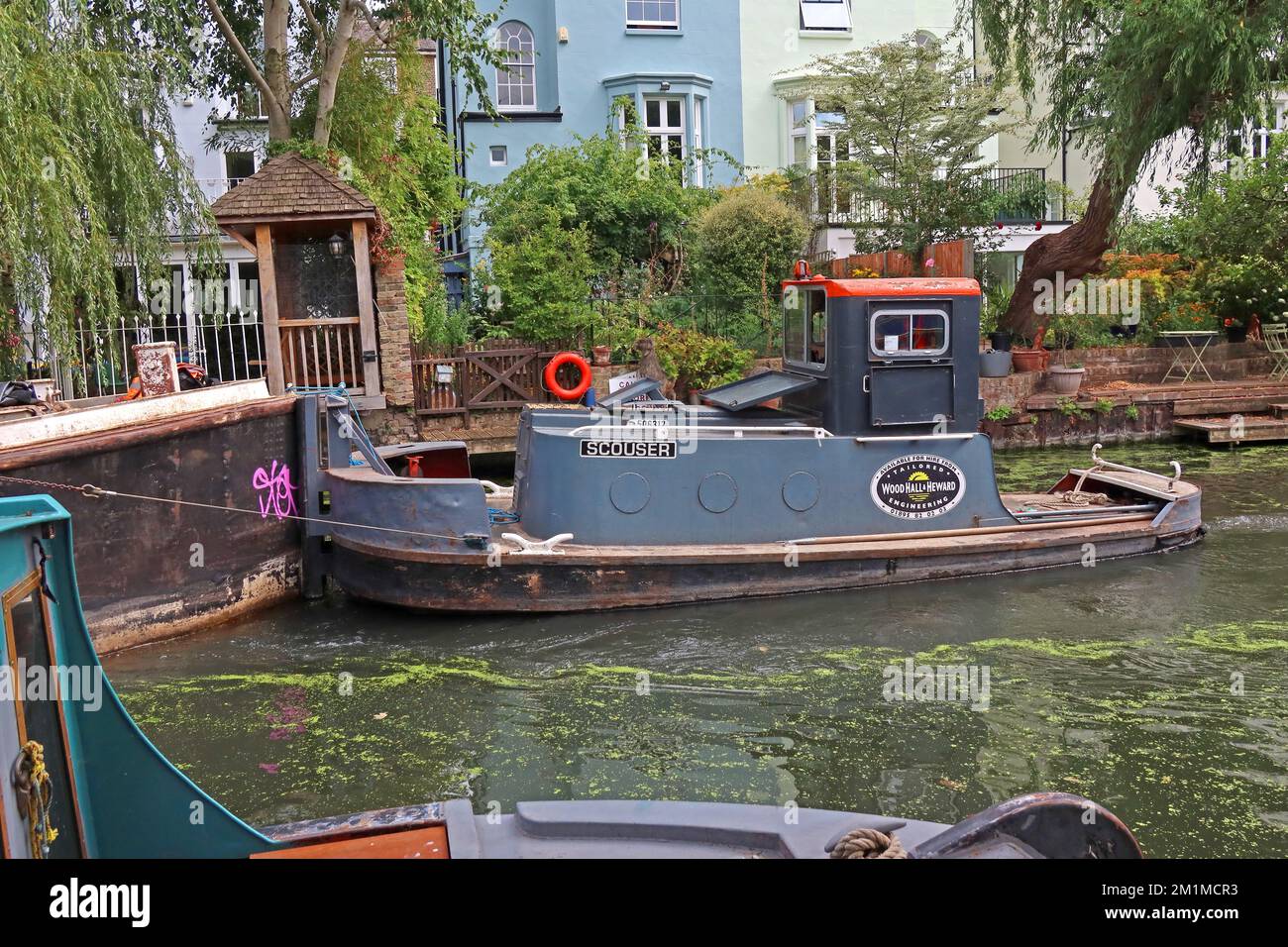
Image details
Contributor:
Tony SmithImage ID:
2M1MCR3File size:
57.1 MB (3.6 MB Compressed download)Releases:
Model - no | Property - noDo I need a release?Dimensions:
5472 x 3648 px | 46.3 x 30.9 cm | 18.2 x 12.2 inches | 300dpiDate taken:
22 July 2022More information:
. This location-specific image from the recorded location in 2022 provides a visual record of the subject in everyday context, useful for both contemporary editorial work and later historical comparison. The subject captured here is Scouser , canal working boat - Regents Canal - Wood hall & Heward Ltd, Camden, London, England, UK. The frame also records themes of inland navigation, place identity, navigation engineering, local history, canal infrastructure, industrial waterway history, heritage boating, regional identity, visual archive, inland boating, everyday life, archival record, period detail, and managed navigation. In present-day coverage, the subject reaches into volunteering and public access, not least because of the cost of keeping ageing locks and canal structures operational. As a dated visual record of the recorded location, the frame retains street furniture and boundaries, making it especially useful if redevelopment subsequently changes the scene. The photograph additionally reflects documentary photography, waterborne transport, contemporary social history, changing land use, social history, local character, canal heritage, and blue-green corridor. The recorded references to Camden, Heward, canal, Scouser, and Regents preserve clues about how the subject was presented, used or understood at the time. By fixing the subject within the recorded location, the image preserves more than the headline object or building: it records part of the locality's everyday history. The image also provides a reference for volunteering and the cost of keeping ageing locks and canal structures operational without losing the local specificity of the recorded location. Another useful connection is maintenance funding and the transition of industrial waterways toward leisure and heritage use in a form that can be compared with future views of the recorded location. The scene captures a point of historical comparison for future local research.

