
St Ives Barnoon, chapel & cemetery, on the Porthmeor beach, seaside, Cornwall, England, UK, TR26 1AB
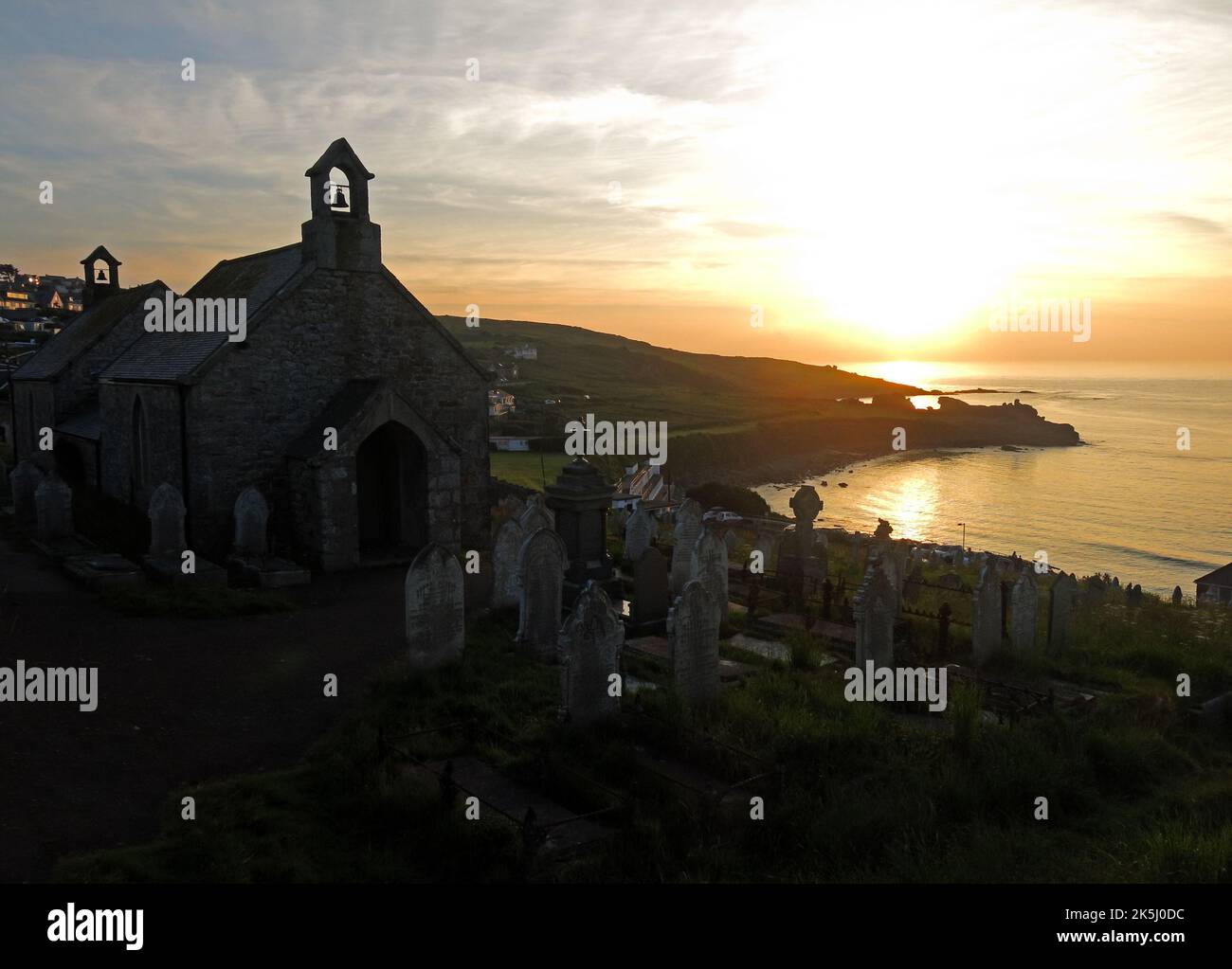
Image details
Contributor:
Tony SmithImage ID:
2K5J0DCFile size:
32.9 MB (744.1 KB Compressed download)Releases:
Model - no | Property - noDo I need a release?Dimensions:
4000 x 2872 px | 33.9 x 24.3 cm | 13.3 x 9.6 inches | 300dpiDate taken:
31 May 2014More information:
. An identifiable period record of the recorded location in 2014, retaining practical detail and local context that distinguish documentary photography from a generic illustration. The subject captured here is St Ives Barnoon, chapel & cemetery, on the Porthmeor beach, seaside, Cornwall, England, UK, TR26 1AB. A broader reading of the photograph includes place identity, local social venue, church interior, parish history, religious heritage, period detail, local history, traditional ale house, contemporary social history, licensed hospitality, traditional pub, changing streetscape, faith community, and community drinking venue. Today's relevance is strengthened by maintenance costs, heritage conservation and the continuing question of the importance of church buildings to genealogy and local identity. From a 2025-onward perspective, changing drinking habits and beer duty are closely linked to this subject, alongside the survival of pubs as both businesses and informal community spaces. The image fixes lettering, decoration and surface detail within the recorded location at one identifiable point, providing a benchmark against changing commercial priorities. The surrounding story also includes public realm, beer-led hospitality, ecclesiastical art, night-time economy, visual archive, historical comparison, everyday life, and local character. Elements such as beach, chapel, Porthmeor, seaside, and cemetery add documentary specificity and may become increasingly useful when compared with later records. The period setting at the recorded location helps place the main subject within real social and physical surroundings rather than isolating it as an abstract object. The setting also helps illustrate maintenance costs and how churches combine active worship with heritage and community roles as part of the longer story of the recorded location. The period view preserves evidence of changing use before later change alters the scene.

