
Ellesmere Port, canal basin pumphouse and chimney, Cheshire, England, UK, CH65 4FW
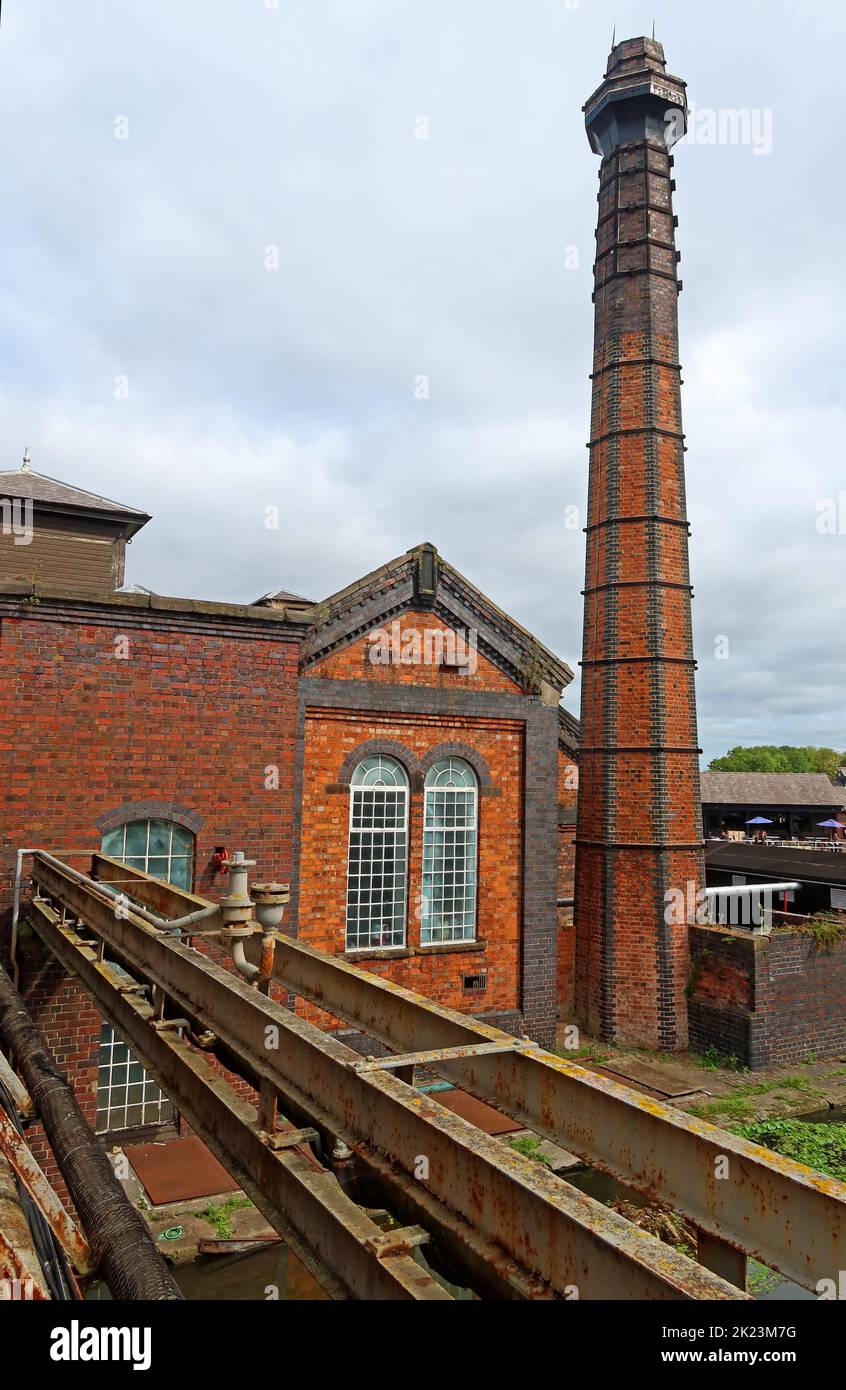
Image details
Contributor:
Tony SmithImage ID:
2K23M7GFile size:
51.3 MB (1.9 MB Compressed download)Releases:
Model - no | Property - noDo I need a release?Dimensions:
3419 x 5249 px | 28.9 x 44.4 cm | 11.4 x 17.5 inches | 300dpiDate taken:
14 September 2022Location:
National Waterways Museum, South Pier Road, Ellesmere Port, Cheshire, England, UK, CH65 4FWMore information:
. Ellesmere Port, canal basin pumphouse and chimney, Cheshire, England, UK, CH65 4FW. Photographed on 14 September 2022. The recorded location is National Waterways Museum, South Pier Road, Ellesmere Port, Cheshire, England, UK, CH65 4FW. The Pump House contains the mighty steam driven pumping engines which supplied the power for hydraulic cranes and capstans throughout the dock at Ellesmere Port. The canal basin at Ellesmere Port developed from the late eighteenth-century Netherpool port associated with the Ellesmere Canal and the wider Shropshire Union network. It became a trans-shipment point where canal cargo could meet Mersey and estuary traffic. The surviving docks, workshops, pumphouse and other structures later formed the National Waterways Museum, preserving one of Britain's most important collections of inland-waterway buildings and historic boats. Historically, canal infrastructure is a legacy of the Industrial Revolution, when navigable waterways linked mines, mills, factories and ports; The same lock chambers, bridges and towpaths now support leisure cruising, cycling, walking, wildlife corridors and redevelopment, while retaining evidence of their freight-carrying past. The historical context is that harbours and shipping routes have long shaped British coastal and riverside towns; Fishing, cargo handling, ferry services, shipbuilding and port engineering created distinctive working landscapes that increasingly coexist with tourism, leisure craft and waterfront regeneration. The wider historical story is that industrial buildings and machinery preserve the material history of manufacturing Britain: steam power, engineering, mining, textiles, ceramics and mass production transformed both the economy and the physical character of towns; Surviving equipment is now studied as industrial archaeology and often conserved within museums or regenerated sites. Additional discoverability terms include inland waterway, navigation, and lock gates.

