
Ellesmere Port, canal basin pumphouse and chimney, Cheshire, England, UK, CH65 4FW
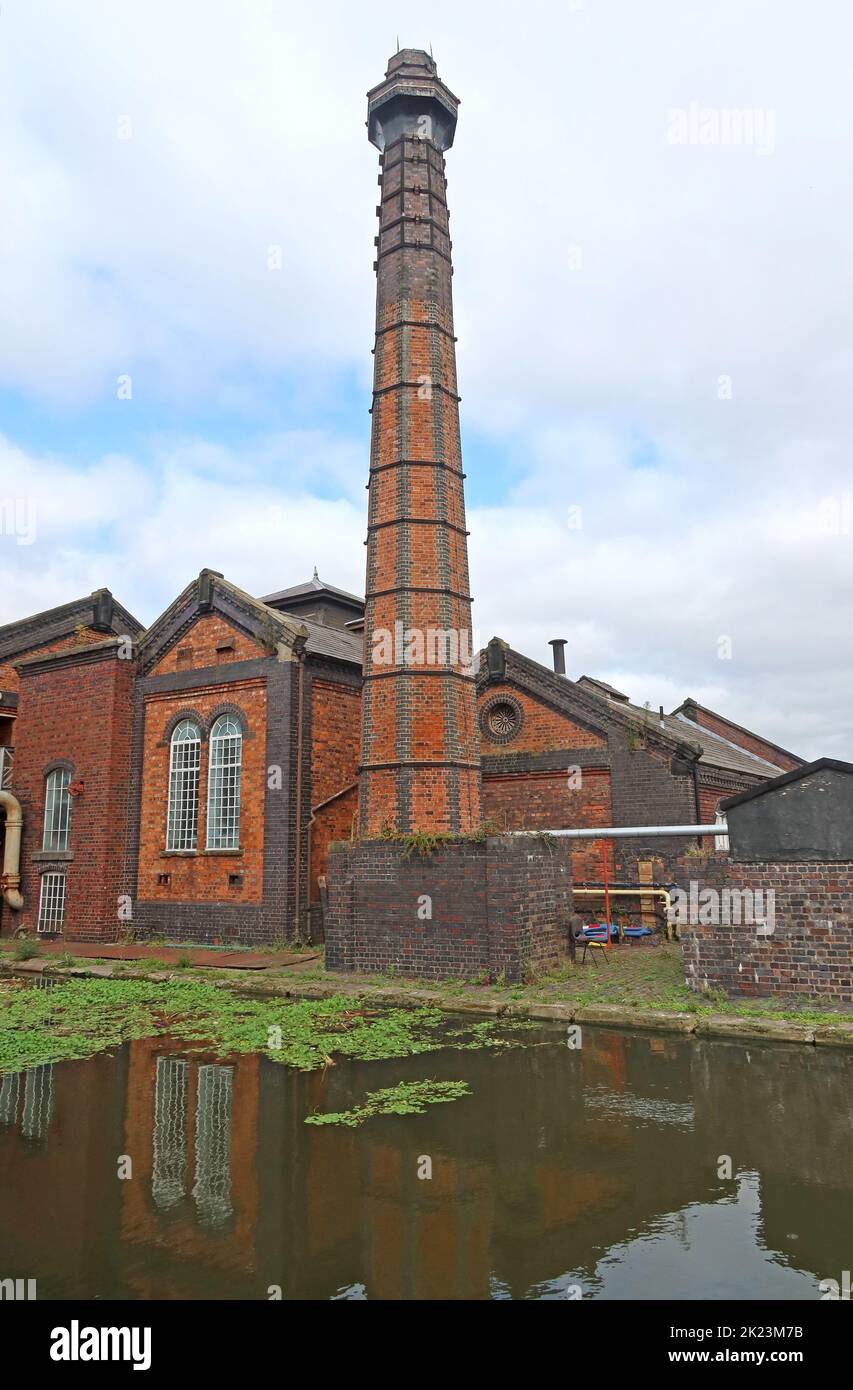
Image details
Contributor:
Tony SmithImage ID:
2K23M7BFile size:
55.6 MB (1.8 MB Compressed download)Releases:
Model - no | Property - noDo I need a release?Dimensions:
3571 x 5441 px | 30.2 x 46.1 cm | 11.9 x 18.1 inches | 300dpiDate taken:
14 September 2022Location:
South Pier Road, Ellesmere Port, Cheshire, England, UK, CH65 4FWMore information:
. Ellesmere Port, canal basin pumphouse and chimney, Cheshire, England, UK, CH65 4FW. Photographed on 14 September 2022. The recorded location is South Pier Road, Ellesmere Port, Cheshire, England, UK, CH65 4FW. The Pump House contains the mighty steam driven pumping engines which supplied the power for hydraulic cranes and capstans throughout the dock at Ellesmere Port. The canal basin at Ellesmere Port developed from the late eighteenth-century Netherpool port associated with the Ellesmere Canal and the wider Shropshire Union network. It became a trans-shipment point where canal cargo could meet Mersey and estuary traffic. The surviving docks, workshops, pumphouse and other structures later formed the National Waterways Museum, preserving one of Britain's most important collections of inland-waterway buildings and historic boats. In historical terms, working locks, bridges and canal-side buildings reveal the engineering system that underpinned industrial Britain; Many former commercial waterways have been restored for recreation and heritage use, creating a distinctive mixture of historic infrastructure, modern development and linear green space. In the longer view, ports and vessels are central to Britain's maritime history, linking coastal communities and inland industry with fishing, trade, passenger travel and international shipping; Harbours, docks and working craft also reflect changing technology, from traditional fishing fleets to high-speed workboats and modern freight logistics. Historically, factories, mills, engines and workshops record the technologies and labour that powered Britain's industrial expansion; Their machinery, inscriptions and specialist buildings are valuable evidence of engineering practice, working conditions, regional industries and the later shift from heavy industry to heritage, housing or new commercial uses. Additional natural-language search terms include inland waterway, navigation, lock chamber, and lock gates.

