
South West England NIMBY - Not in my back yard, like BANANA - Build absolutely nothing anywhere near anything
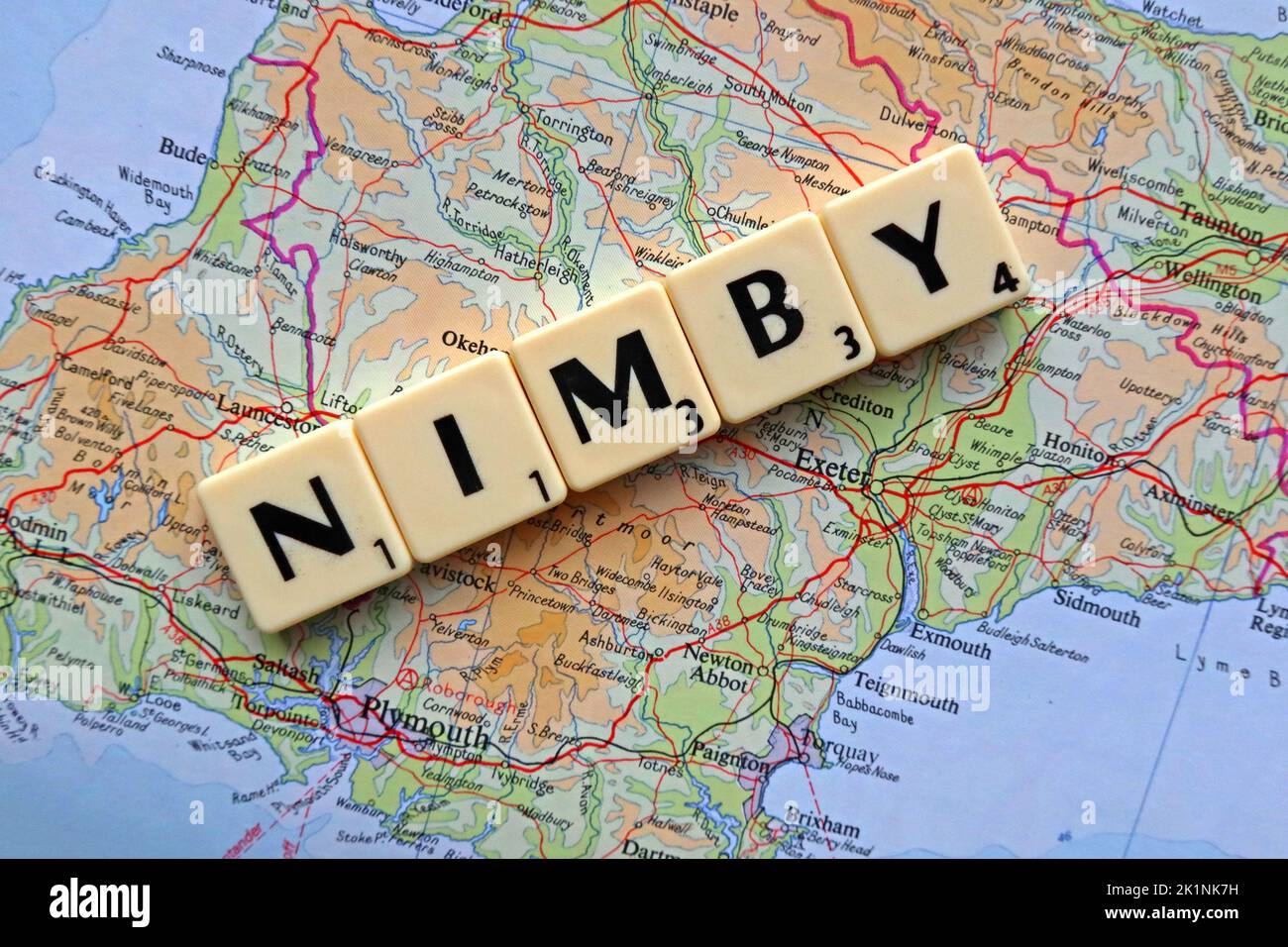
Image details
Contributor:
Tony SmithImage ID:
2K1NK7HFile size:
57.1 MB (2.8 MB Compressed download)Releases:
Model - no | Property - noDo I need a release?Dimensions:
5472 x 3648 px | 46.3 x 30.9 cm | 18.2 x 12.2 inches | 300dpiDate taken:
19 September 2022More information:
. Made at the recorded location in 2022, this photograph records a real place and moment, preserving details that may later be altered by redevelopment, rebranding, changing ownership or different public use. The location is represented through South West England NIMBY - Not in my back yard, like BANANA - Build absolutely nothing anywhere near anything. Other connected aspects include arable farming, everyday life, British agriculture, historic townscape, local history, urban regeneration, period detail, food supply chain, archival record, grain harvest, barley cultivation, public-realm investment, rural economy, and before-and-after reference. Current relevance extends to climate change and farm costs, particularly through the pressure on farmers from energy, fertiliser and machinery costs. In present-day coverage, the subject reaches into housing pressure and commercial viability, not least because of the value of reusing existing buildings rather than wholesale demolition. As a dated visual record of the recorded location, the frame retains lettering, decoration and surface detail, making it especially useful if changed technology subsequently changes the scene. A second descriptive layer includes field crop, social history, farm produce, civic architecture, built heritage, changing land use, period architecture, and summer fieldwork. Elements such as absolutely, nothing, BANANA, anything, and NIMBY add documentary specificity and may become increasingly useful when compared with later records. The period setting at the recorded location helps place the main subject within real social and physical surroundings rather than isolating it as an abstract object. Another useful connection is climate change and the pressure on farmers from energy, fertiliser and machinery costs without losing the local specificity of the recorded location. The frame retains a local visual benchmark for future local research.

