
The Penny Lane wine bar, gable end painting of the Beatles, John Lennon, Paul McCartney, George Harrison, Ringo Starr,116 Penny Ln, Liverpool L18 1DQ
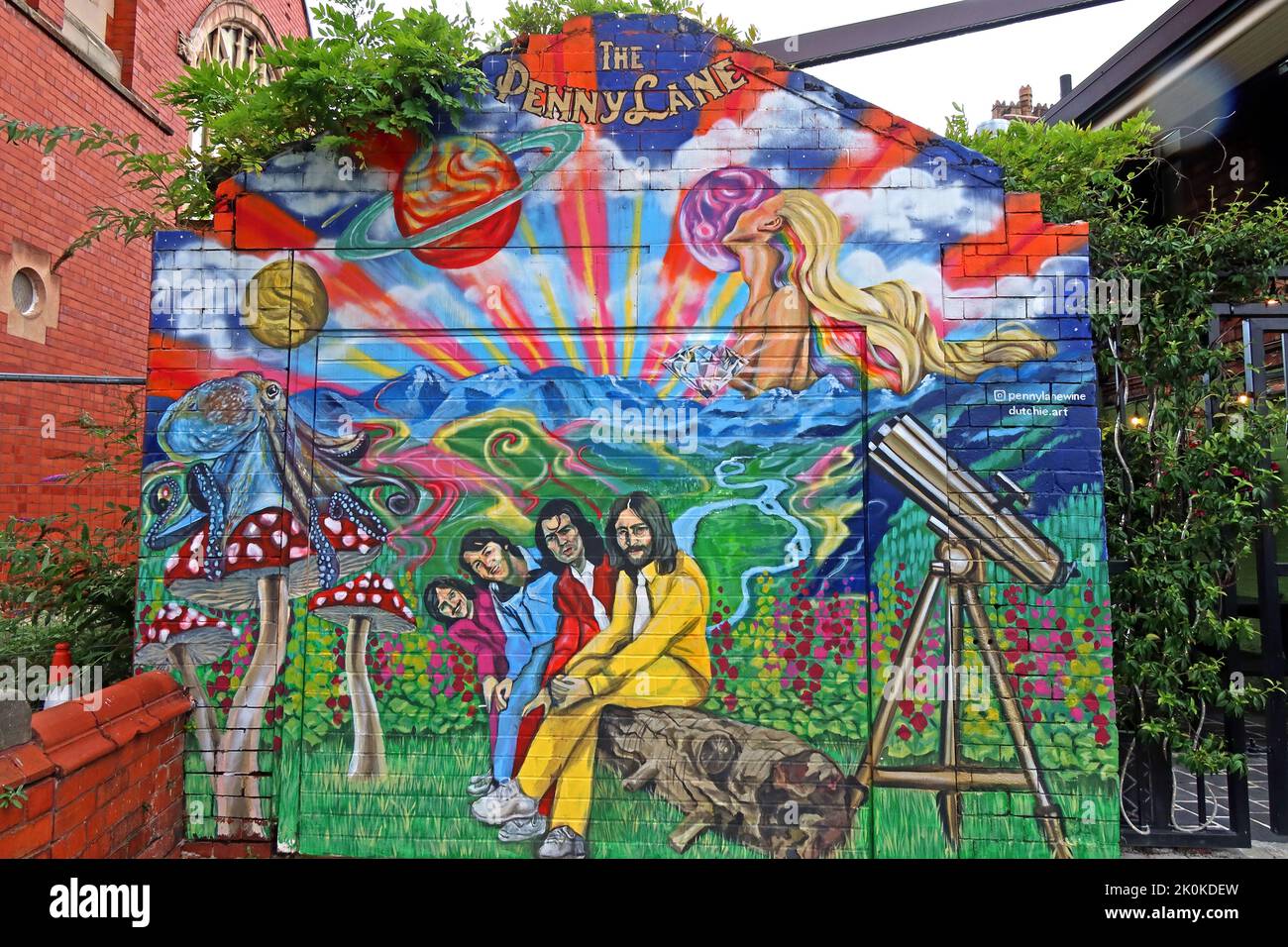
Image details
Contributor:
Tony SmithImage ID:
2K0KDEWFile size:
57.1 MB (3.1 MB Compressed download)Releases:
Model - no | Property - noDo I need a release?Dimensions:
5472 x 3648 px | 46.3 x 30.9 cm | 18.2 x 12.2 inches | 300dpiDate taken:
10 September 2022Location:
116 Penny Ln, Liverpool , Merseyside, England, UK, L18 1DQMore information:
. The Penny Lane wine bar, gable end painting of the Beatles, John Lennon, Paul McCartney, George Harrison, Ringo Starr, 116 Penny Ln, Liverpool L18 1DQ. Photographed on 10 September 2022. The recorded location is 116 Penny Ln, Liverpool , Merseyside, England, UK, L18 1DQ. A historical Pub in the heart of South Liverpool serving delicious food, wine, cocktails and draft beer. The pub is situated on the site of John Lennon and Paul McCartney's former GP surgery. The Penny Lane Wine Bar occupies one of Liverpool's most photographed streets because of the Beatles song released in 1967. The premises at 116 Penny Lane were formerly a doctors' surgery before becoming a wine bar, and the building's Beatles imagery and etched glass form part of a wider visitor economy built around John Lennon, Paul McCartney and the group's south-Liverpool associations. Penny Lane remains a major stop on Beatles heritage tours and a globally recognisable place-name. From a heritage perspective, pub structures and signs provide a useful record of the licensed trade, from traditional alehouses and brewery estates to contemporary hospitality businesses; They are also part of the story of changing high streets, nightlife, real ale, cask beer and the survival or reuse of historic premises. Looking at the subject's development, public art can become part of the identity of a street or neighbourhood, recording political ideas, local history, humour, memory and changing cultural tastes; Murals, sculpture and decorative art are especially valuable as documentary subjects because they may be altered, moved, weathered or removed. As of 2026, pubs continue to sit at the centre of arguments about high-street vitality, community identity and hospitality economics; England's 2026/27 rating arrangements include dedicated relief for eligible pubs and live-music venues, underlining the sector's continuing economic and cultural significance.

