
TW Parker bottle,Botanical Brewer,Lower Walton,Warrington,1940
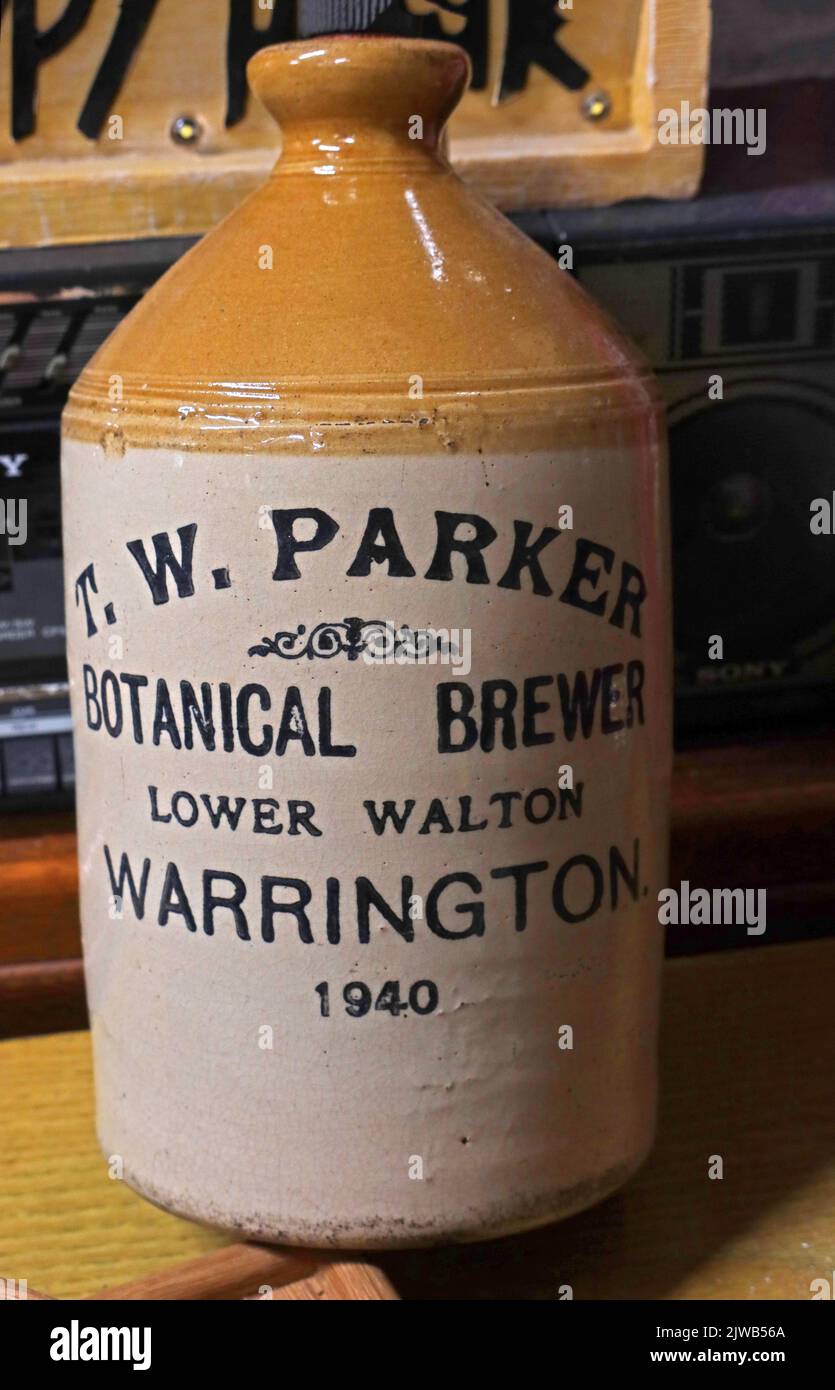
Image details
Contributor:
Tony SmithImage ID:
2JWB56AFile size:
53.6 MB (1.6 MB Compressed download)Releases:
Model - no | Property - noDo I need a release?Dimensions:
3471 x 5401 px | 29.4 x 45.7 cm | 11.6 x 18 inches | 300dpiDate taken:
19 August 2022More information:
. This scene at the recorded location in 2022 forms part of the visual history of the locality, documenting the named subject together with aspects of how the area looked and functioned at the time. The principal subject is TW Parker bottle, Botanical Brewer, Lower Walton, Warrington, 1940. The subject also carries associations with home entertainment history, historic home life, traditional hostelry, casual dining, period furniture, domestic social history, changing land use, everyday life, place identity, interior heritage, contemporary social history, street-level dining, before-and-after reference, and hospitality trade. In present-day coverage, the subject reaches into consumer spending and business rates, not least because of the pressure on customer-facing businesses in a high-cost economy. Today's relevance is strengthened by collecting, material culture and the continuing question of the value of preserving ordinary furniture and appliances as social history. Small period details of local activity and public use at the recorded location may become more significant with time, particularly following changed technology. The subject also sits alongside public realm, food-and-drink business, Victorian domesticity, pub heritage, night-time economy, community identity, heritage interior, and changing streetscape. Elements such as Botanical, Parker, Lower, Brewer, and bottle add documentary specificity and may become increasingly useful when compared with later records. For the recorded location, the photograph contributes to a cumulative visual history in which changes in use, signs, access and appearance can be traced over time. The location additionally provides evidence of consumer spending and how familiar pubs and restaurants shape neighbourhood identity when considered against later change at the recorded location. The scene captures a trace of local identity as part of the recorded location's history.

