
Wales Map, with words Fuel Poverty spelled out. More than half of UK households across Britain will choose to eat or heat
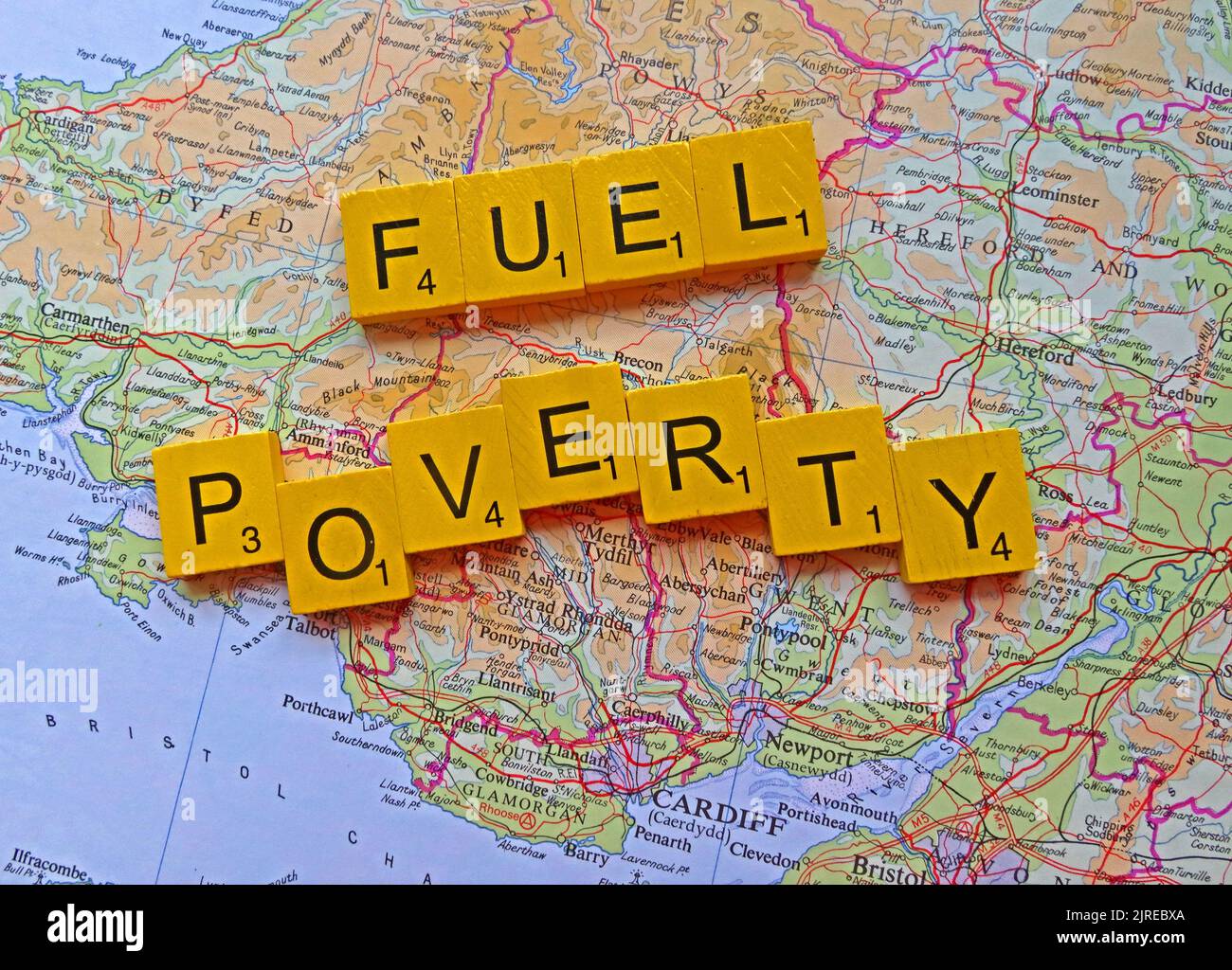
Image details
Contributor:
Tony SmithImage ID:
2JREBXAFile size:
53 MB (3.1 MB Compressed download)Releases:
Model - no | Property - noDo I need a release?Dimensions:
5076 x 3648 px | 43 x 30.9 cm | 16.9 x 12.2 inches | 300dpiDate taken:
23 August 2022Location:
Wales, UKMore information:
. This authentic period view of Wales, UK in 2022 preserves the main subject alongside smaller contextual details that can acquire greater historical value as places and uses change. The image documents Wales Map, with words Fuel Poverty spelled out. More than half of UK households across Britain will choose to eat or heat. The setting additionally reflects built heritage, town-centre renewal, civic architecture, contemporary social history, place identity, visual archive, everyday life, local history, regional identity, social history, before-and-after reference, heritage-led regeneration, period architecture, and public-realm investment. From a 2025-onward perspective, public-realm investment and town-centre regeneration are closely linked to this subject, alongside the tension between preserving local character and creating modern commercial space. Small period details of public access and movement at Wales, UK may become more significant with time, particularly following different community use. A second descriptive layer includes urban regeneration, community identity, historical comparison, commercial redevelopment, changing streetscape, urban fabric, documentary photography, and architectural character. Elements such as households, words, Wales, spelled, and Poverty add documentary specificity and may become increasingly useful when compared with later records. The period setting at Wales, UK helps place the main subject within real social and physical surroundings rather than isolating it as an abstract object. Its period value extends to public-realm investment and how regeneration tries to create reasons to visit traditional town centres without losing the local specificity of Wales, UK. The location additionally provides evidence of planning and how public investment can reshape pedestrian movement and evening activity in a form that can be compared with future views of Wales, UK.

