
Wildflower meadow at Snugburys Ice cream, Park Farm, A51, Hurleston, Nantwich, Cheshire, England, UK, CW5 6BU
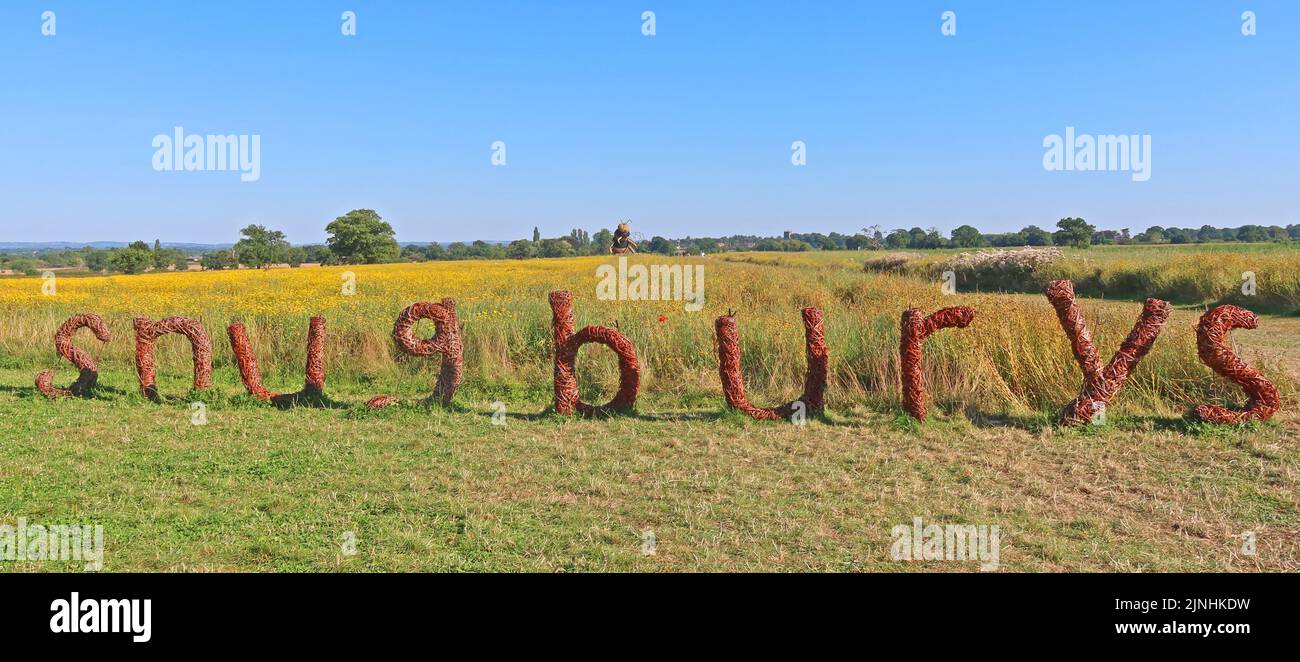
Image details
Contributor:
Tony SmithImage ID:
2JNHKDWFile size:
36.3 MB (2.1 MB Compressed download)Releases:
Model - no | Property - noDo I need a release?Dimensions:
5364 x 2364 px | 45.4 x 20 cm | 17.9 x 7.9 inches | 300dpiDate taken:
11 August 2022Location:
Park Farm, A51, Hurleston, Nantwich, Cheshire, England, UK, CW5 6BUMore information:
. Wildflower meadow at Snugburys Ice cream, Park Farm, A51, Hurleston, Nantwich, Cheshire, England, UK, CW5 6BU. Photographed on 11 August 2022. Farmhouse ice-cream outlet in a converted barn, with a courtyard and canalside walking trail.;Service options: Takeaway · No delivery;Address: Park Farm, A51, Hurleston, Nantwich CW5 6BU. Snugburys began in 1986 when the Sadler family converted their Cheshire dairy farm into an ice-cream business. Park Farm near Nantwich later became known not only for its ice cream but for enormous steel-reinforced straw sculptures, a tradition begun in 1998 and used to attract visitors and raise money for charity. The combination of farm diversification, food production, wildflower planting and playful roadside art makes the site a distinctive example of the modern rural visitor economy. In historical terms, farming and allotment imagery records the practical work behind food production, from ploughing and arable crops to small-scale vegetable growing; Allotments expanded strongly during periods of food shortage and remain an significant part of British urban and suburban gardening culture. Looking at the subject's development, everyday food and drink sit within wider histories of farming, manufacturing, retail and hospitality; Ingredients and brands that appear ordinary at one moment can later become useful markers of changing diets, packaging, provenance and food fashion. Looking at the subject's development, art in public and historic settings adds another layer to the built environment; Sculpture, mosaic, painting and street art can interpret heritage, provoke debate, memorialise communities or create landmarks, and photographs preserve works that may later change or disappear. During 2026, food security, soil health, biodiversity and climate resilience are increasingly central to UK farming and gardening; Images of crops, allotments and field work can support coverage of domestic food production, sustainable agriculture.

