
Council Housing spelled out in Scrabble letters on a map of England, a policy already rejected by Scotland and Wales assembles
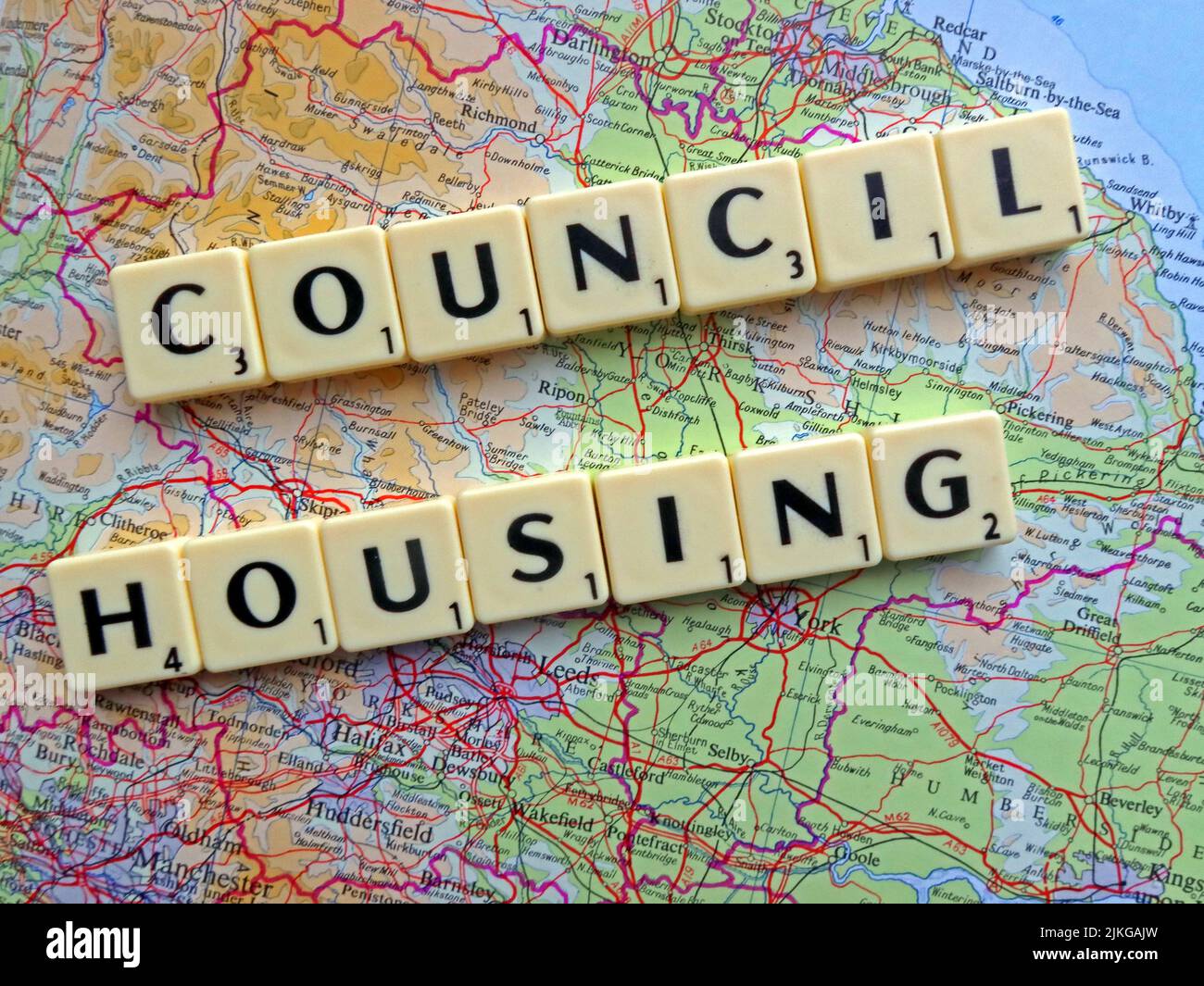
Image details
Contributor:
Tony SmithImage ID:
2JKGAJWFile size:
50.7 MB (2.6 MB Compressed download)Releases:
Model - no | Property - noDo I need a release?Dimensions:
4860 x 3648 px | 41.1 x 30.9 cm | 16.2 x 12.2 inches | 300dpiDate taken:
2 August 2022More information:
. Recorded at the recorded location in 2022, the image fixes a recognisable subject and its environment at one point in time, giving later viewers a reliable basis for comparison. The photograph centres on Council Housing spelled out in Scrabble letters on a map of England, a policy already rejected by Scotland and Wales assembles. Other connected aspects include adaptive reuse, documentary photography, historic townscape, heritage landmark, built heritage, local history, local character, period building, visual archive, regional identity, public realm, period architecture, before-and-after reference, and historical comparison. Current relevance extends to redevelopment pressure and embodied carbon, particularly through how historic buildings acquire new uses as cities change. As a dated visual record of the recorded location, the frame retains period objects and surrounding context, making it especially useful if altered transport patterns subsequently changes the scene. A second descriptive layer includes changing streetscape, contemporary social history, conservation interest, conservation architecture, changing land use, cityscape history, architectural character, and heritage asset. The combination of rejected, spelled, Scrabble, assembles, and Housing anchors the frame to a recognisable activity, place or moment. The wider setting at the recorded location matters because ordinary visual details often provide the strongest evidence of how a place actually looked and functioned. Its period value extends to redevelopment pressure and how historic buildings acquire new uses as cities change when considered against later change at the recorded location. The location additionally provides evidence of maintenance and how historic buildings acquire new uses as cities change without losing the local specificity of the recorded location. The frame retains details of everyday use for future local research.

