
Think green neon electric sign
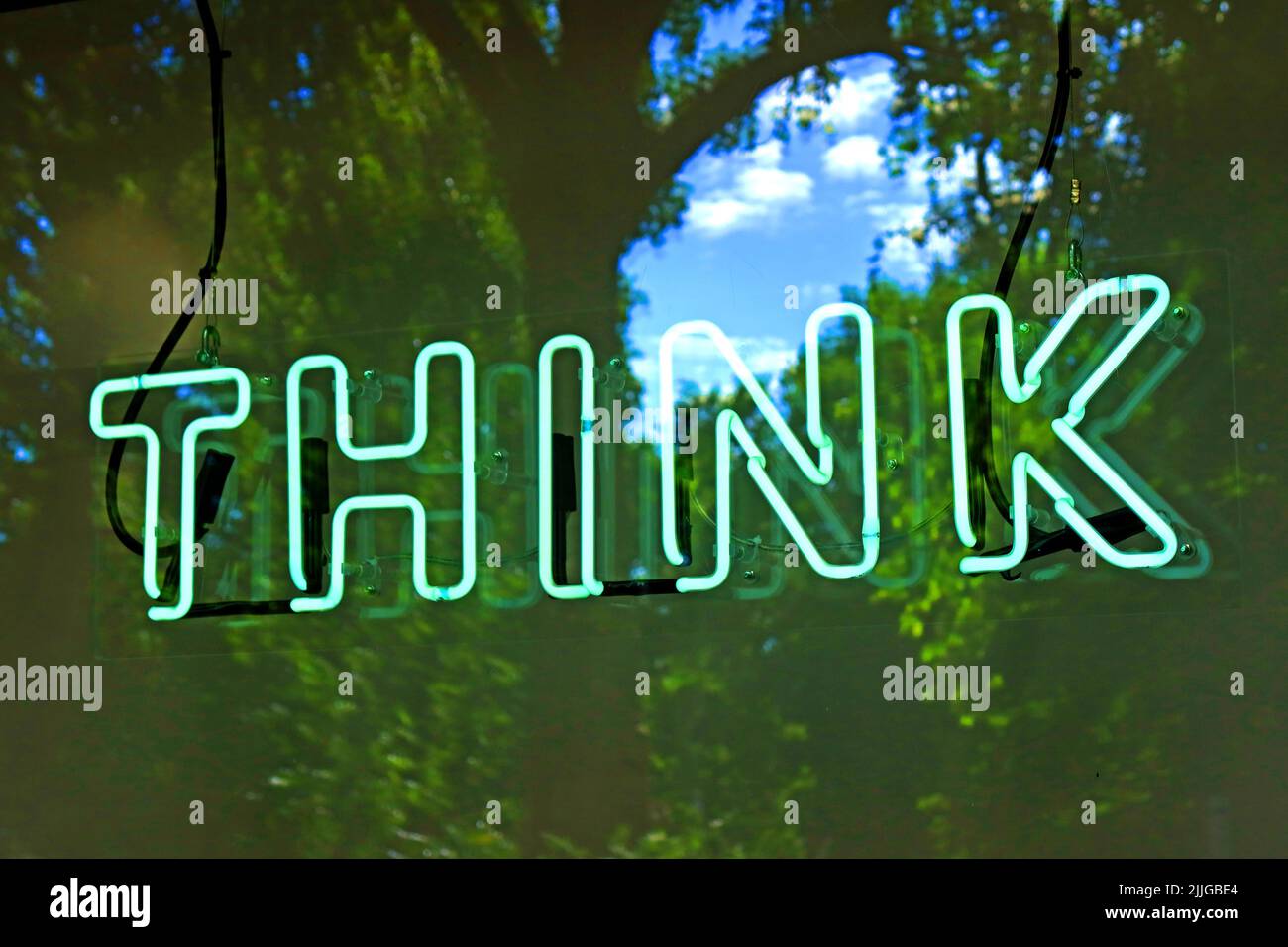
Image details
Contributor:
Tony SmithImage ID:
2JJGBE4File size:
57.1 MB (1.6 MB Compressed download)Releases:
Model - no | Property - noDo I need a release?Dimensions:
5472 x 3648 px | 46.3 x 30.9 cm | 18.2 x 12.2 inches | 300dpiDate taken:
24 July 2022More information:
. This dated documentary view of the recorded location in 2022 captures more than the immediate subject, retaining clues about local use, design, activity and change. The photograph centres on Think green neon electric sign. The surrounding context encompasses community identity, local history, local information board, visitor guidance, public realm, regional identity, before-and-after reference, navigation aid, route marker, changing land use, wayfinding system, directional marker, operational signage, and changing streetscape. The wider contemporary story combines inclusive design, maintenance and the importance of accessible information in hospitals, stations and public spaces. For later comparison, the photograph preserves equipment and working practice at the recorded location, details that may look very different after new ownership. The location also brings in public information signage, period detail, visual archive, archival record, public-facing notice, historical comparison, documentary photography, and local character. The combination of Think, green, and electric anchors the frame to a recognisable activity, place or moment. The wider setting at the recorded location matters because ordinary visual details often provide the strongest evidence of how a place actually looked and functioned. The location additionally provides evidence of inclusive design and the importance of accessible information in hospitals, stations and public spaces without losing the local specificity of the recorded location. A further contemporary connection is visitor experience and the way signage becomes part of local visual identity in a form that can be compared with future views of the recorded location. The wider significance includes visitor experience and how small pieces of street furniture can become useful historical evidence within the real-world context of the recorded location.

