
Thames Water embossed cast iron grid, London, England, UK
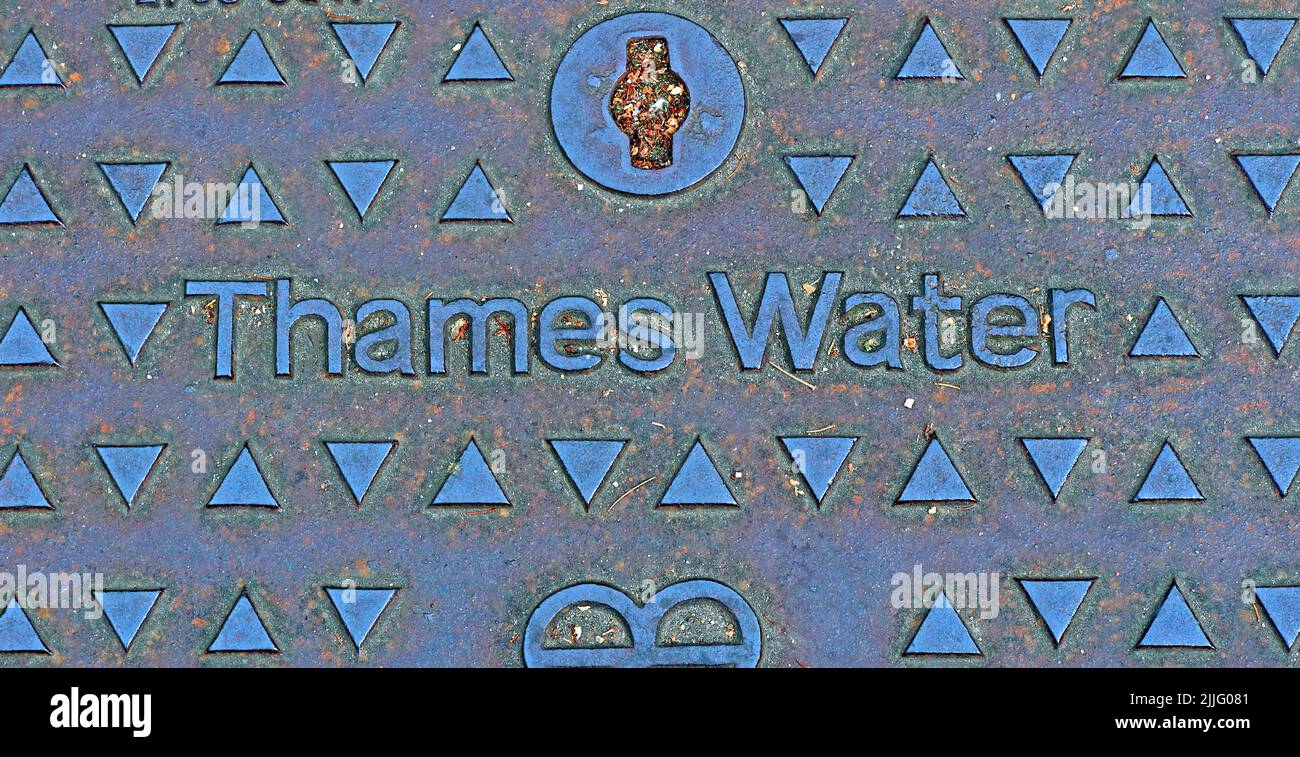
Image details
Contributor:
Tony SmithImage ID:
2JJG081File size:
40.6 MB (3.3 MB Compressed download)Releases:
Model - no | Property - noDo I need a release?Dimensions:
5256 x 2700 px | 44.5 x 22.9 cm | 17.5 x 9 inches | 300dpiDate taken:
23 July 2022More information:
. Photographed at the recorded location in 2022, this detailed editorial image records the subject within its real surroundings and preserves a specific stage in the life of the location. The principal subject is Thames Water embossed cast iron grid, London, England, UK. Other connected aspects include urban fabric, conservation architecture, archival record, everyday street life, heritage asset, period building, period streetscape, social landscape, architectural character, everyday life, architectural detailing, historic streetscape, social history, and public realm. From a 2025-onward perspective, adaptive reuse and embodied carbon are closely linked to this subject, alongside keeping older structures useful without erasing their character. The wider contemporary story combines community use, regeneration and how ordinary street scenes become valuable records as businesses and infrastructure change. Small period details of commercial use and occupation at the recorded location may become more significant with time, particularly following changing commercial priorities. A second descriptive layer includes documentary photography, urban change, pedestrian environment, visual archive, heritage landmark, historical comparison, place identity, and conservation interest. References to Thames, Water, and embossed give the picture a strong period identity and tie it closely to its named subject. For the recorded location, the photograph contributes to a cumulative visual history in which changes in use, signs, access and appearance can be traced over time. The image also provides a reference for adaptive reuse and keeping older structures useful without erasing their character when considered against later change at the recorded location. Another useful connection is commercial change and the relationship between public space and local social life without losing the local specificity of the recorded location.

