
Manchester & County Bank Ltd, Victorian historic bank building, Lord Street, Southport, Merseyside, Lancs,England, UK, PR9
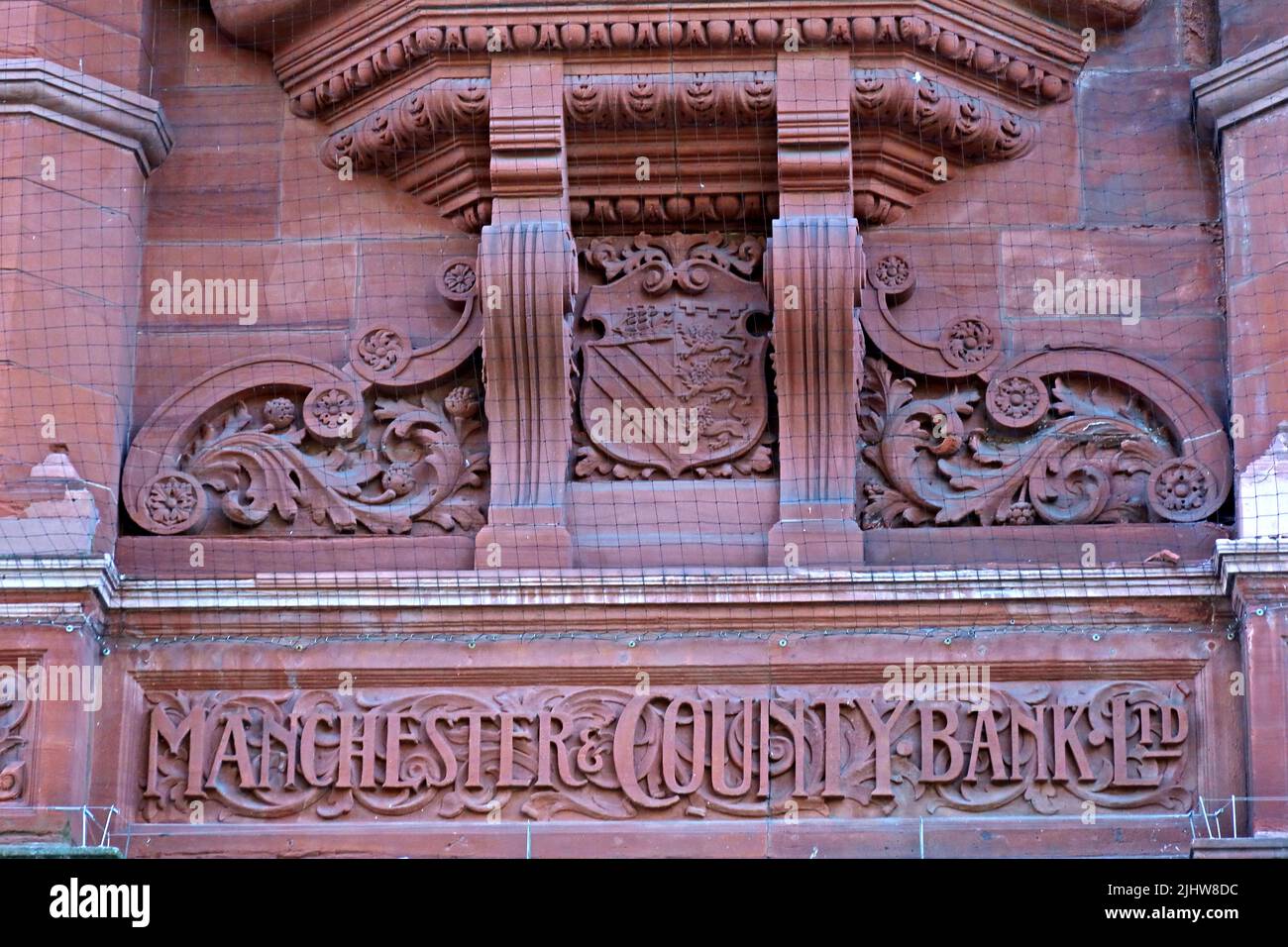
Image details
Contributor:
Tony SmithImage ID:
2JHW8DCFile size:
57.1 MB (2.7 MB Compressed download)Releases:
Model - no | Property - noDo I need a release?Dimensions:
5472 x 3648 px | 46.3 x 30.9 cm | 18.2 x 12.2 inches | 300dpiDate taken:
10 July 2022Location:
Lord Street, Southport, Merseyside, Preston, England, UK, PR9More information:
. Manchester & County Bank Ltd, Victorian historic bank building, Lord Street, Southport, Merseyside, Lancs, England, UK, PR9. Photographed on 10 July 2022. The recorded location is Lord Street, Southport, Merseyside, Preston, England, UK, PR9. Manchester & County Bank Limited;Established in 1862. Name changed to County Bank Limited in November 1934 before merging with the District Bank Limited in 1935. Category: English & Welsh Joint Stock Banks;Family: National Westminster Bank. As background, banking imagery can range from grand Victorian branch architecture to the small physical objects of personal finance; Together, notes, coins, cards, cheques and cashpoints chart a shift from cash and branch-based services towards electronic and online banking. Looking at the subject's development, architecture records the priorities of the period in which a building was designed: materials, ornament, scale and planning can reveal changing technologies, social status and commercial use; Later alterations and changes of tenant add further layers, so a single façade can embody several phases of local history. Historically, heritage photography is particularly useful where buildings or objects have changed function; A former workplace, shop, transport structure or piece of equipment can become a museum object or landmark, linking everyday history with conservation and interpretation. Against the 2026 backdrop, cash is used less often than in earlier decades but remains important, particularly for vulnerable consumers and some small businesses; FCA access-to-cash rules require designated banks and building societies to assess local provision and address significant gaps, making photographs of ATMs, notes and former branches relevant to financial inclusion. For the 2026 context, current regeneration policy places growing emphasis on reusing established buildings and strengthening town centres.

