
Brazil RJ number plate, Rio De Janeiro, RIO2002, in yellow and green
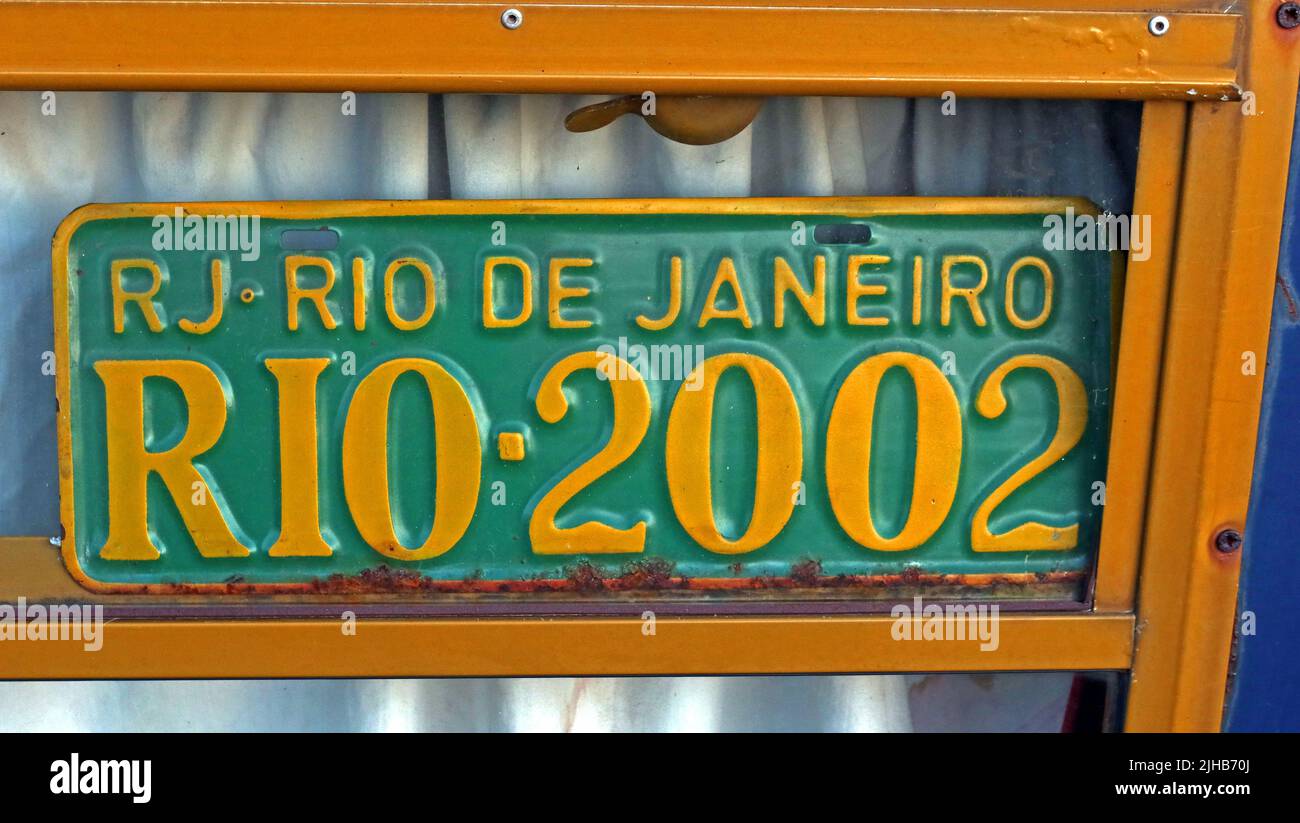
Image details
Contributor:
Tony SmithImage ID:
2JHB70JFile size:
42.8 MB (1.8 MB Compressed download)Releases:
Model - no | Property - noDo I need a release?Dimensions:
5148 x 2904 px | 43.6 x 24.6 cm | 17.2 x 9.7 inches | 300dpiDate taken:
14 July 2022Location:
Rio De Janeiro, BrazilMore information:
. This authentic period view of Rio De Janeiro, Brazil in 2022 preserves the main subject alongside smaller contextual details that can acquire greater historical value as places and uses change. The defining feature is Brazil RJ number plate, Rio De Janeiro, RIO2002, in yellow and green. The broader subject matter reaches into contemporary social history, visual archive, local history, documentary photography, open-air leisure, community recreation, changing streetscape, regional identity, public-realm activation, historical comparison, before-and-after reference, family recreation, period detail, and seasonal outdoor activity. For current editorial use, climate resilience and maintenance provide additional context, especially through how well-designed public spaces encourage informal play and social activity. The archival value lies partly in recording transport arrangements and footfall around Rio De Janeiro, Brazil before altered transport patterns alters the character of the place. Other useful contextual ideas include archival record, public realm, community identity, pedestrian square, urban leisure, local character, interactive public realm, and urban gathering place. The combination of RIO2002, plate, green, Brazil, and yellow anchors the frame to a recognisable activity, place or moment. A later view of Rio De Janeiro, Brazil may show a very different setting, increasing the value of this precise record of its earlier appearance and activity. Another strand within the photograph is climate resilience and how well-designed public spaces encourage informal play and social activity without losing the local specificity of Rio De Janeiro, Brazil. The setting also helps illustrate maintenance and how well-designed public spaces encourage informal play and social activity in a form that can be compared with future views of Rio De Janeiro, Brazil. The record includes a local visual benchmark as part of Rio De Janeiro, Brazil's history.

