
MRS - Mines Rescue Service badge on a jacket, National Coal Board, South Wales, UK
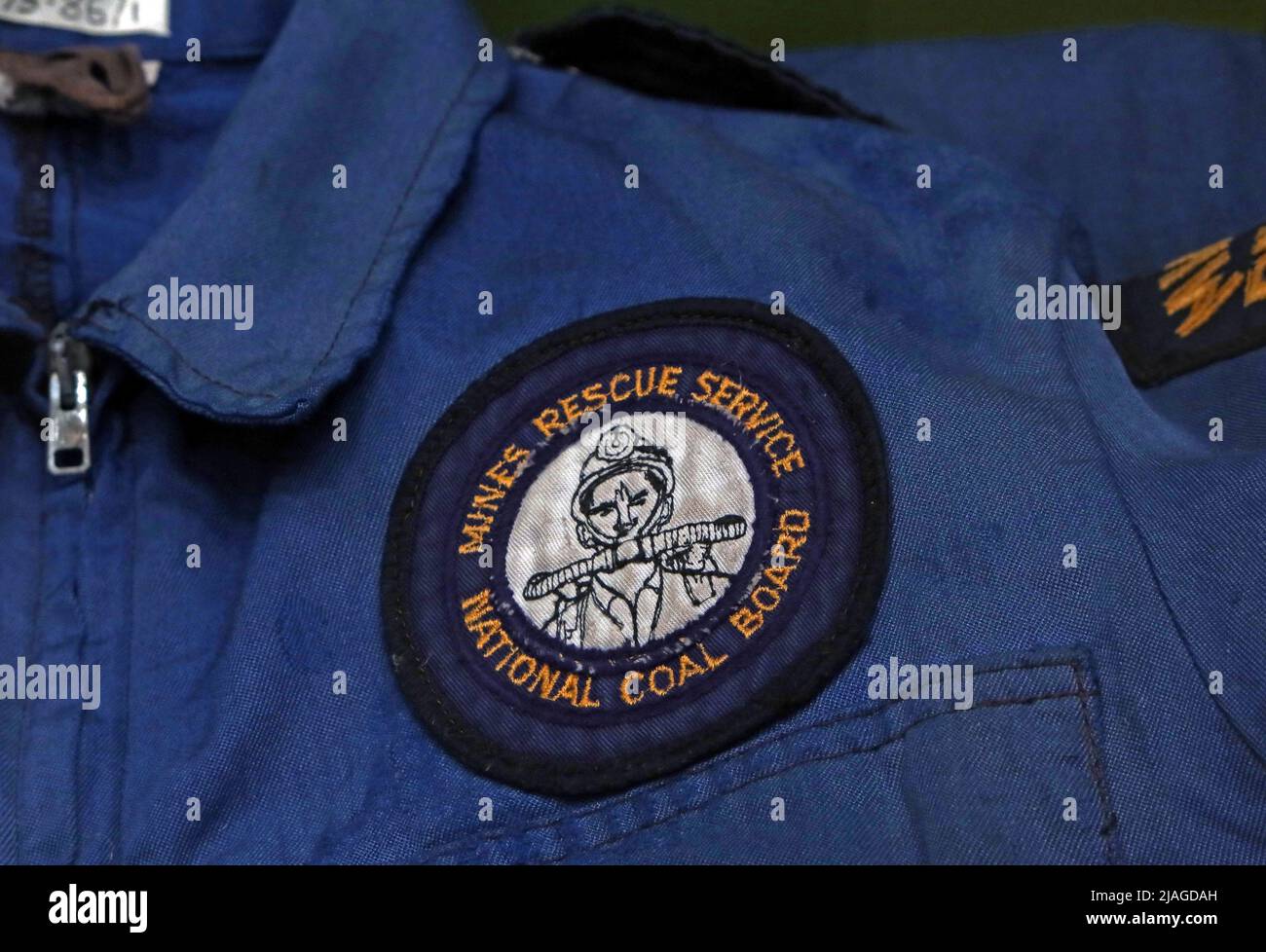
Image details
Contributor:
Tony SmithImage ID:
2JAGDAHFile size:
46.3 MB (1.7 MB Compressed download)Releases:
Model - no | Property - noDo I need a release?Dimensions:
4865 x 3326 px | 41.2 x 28.2 cm | 16.2 x 11.1 inches | 300dpiDate taken:
25 May 2022Location:
Blaenafon, Torfaen, Pontypool, South Wales, Cymru, UK, , NP4 9XPMore information:
Mine rescue or mines rescue is the specialised job of rescuing miners and others who have become trapped or injured in underground mines because of mining accidents, roof falls or floods and disasters such as explosions. Altofts Colliery manager, W.E. Garforth suggested using a "gallery" to test rescue apparatus and train rescuers in 1899 and one was built at his pit in Altofts West Yorkshire. It cost £13, 000. He also suggested the idea of a network of rescue stations. The first British mines rescue station opened at Tankersley in 1902. It was commissioned by the West Yorkshire Coal Mine Owners Association.[8] Its building is grade II listed. In the United Kingdom a series of disasters in the 19th century brought about Royal Commissions which developed the idea of improving mine safety. The commissions influenced the Coal Mines Act of 1911 which made the provision of rescue stations compulsory. By 1919 there were 43 stations in the UK but as the coal industry declined from the last quarter of the 20th century many were closed, leaving six as of 2013, at Crossgates in Fife, Houghton-le-Spring in Tyne and Wear, Kellingley at Beal in North Yorkshire, Rawdon in Derbyshire, Dinas at Tonypandy in Glamorgan and at Mansfield Woodhouse in Nottinghamshire. The MRS Training centre at Houghton-le-Spring opened in 1913 is one of the six surviving British rescue stations which are operated by MRS Training and Rescue. It is a Grade II listed building. Mines rescue featured in the 1952 film The Brave Don't Cry which was a testimony to the Knockshinnoch disaster. Mine rescuers have often been recognised in Britain by the award of gallantry medals. In Britain, mines rescue teams may be called to investigate holes in the ground that have appeared because of land surface subsidence into old mineshafts and mine workings

