
RNIB,Royal National Institute for the Blind, Braille pocket watch,for blind people
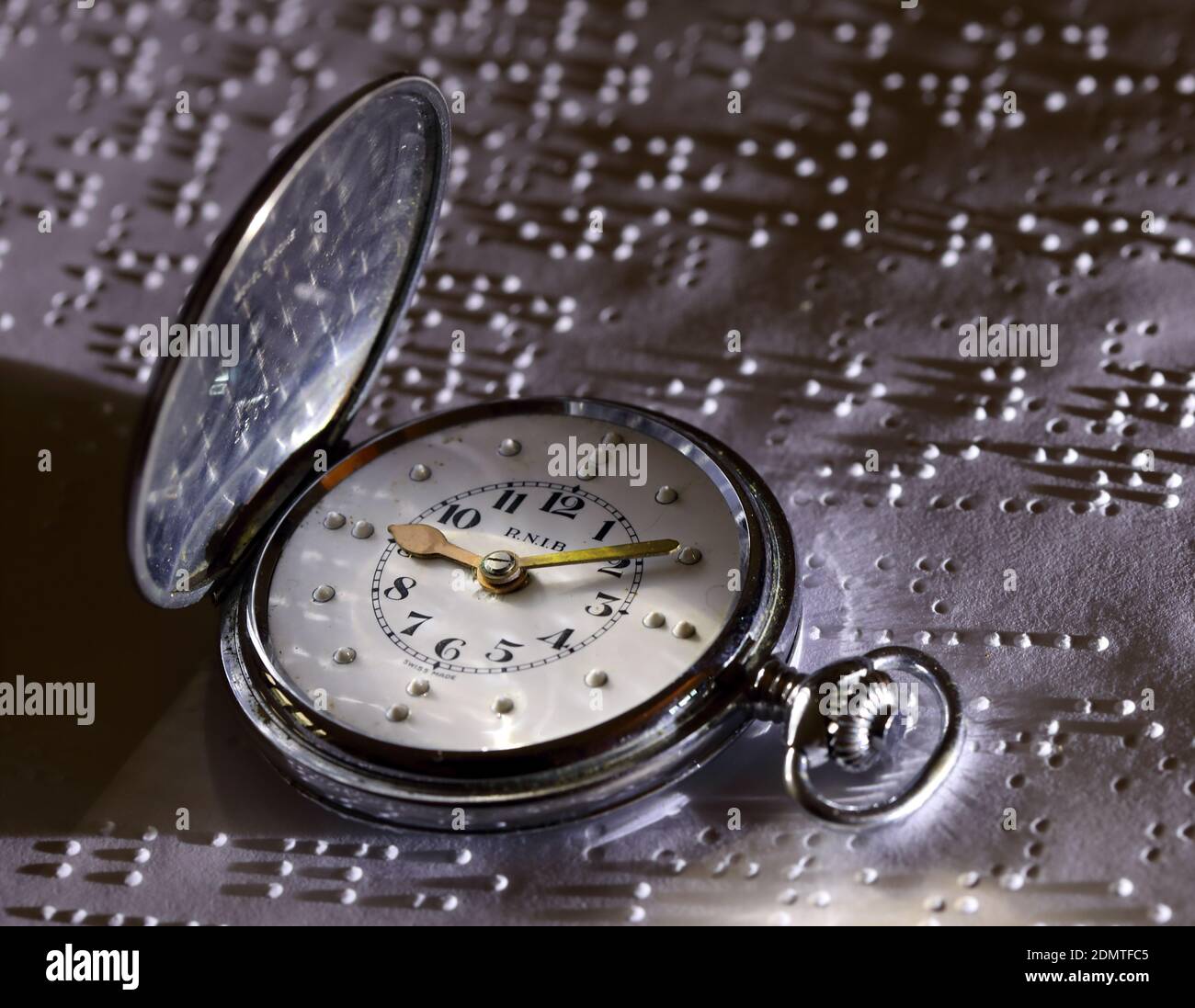
Image details
Contributor:
Tony SmithImage ID:
2DMTFC5File size:
56.7 MB (1.1 MB Compressed download)Releases:
Model - no | Property - noDo I need a release?Dimensions:
5056 x 3920 px | 42.8 x 33.2 cm | 16.9 x 13.1 inches | 300dpiDate taken:
10 December 2020More information:
. An identifiable period record of the recorded location in 2020, retaining the practical detail and local context that distinguish a documentary photograph from a generic illustration. The defining feature is RNIB, Royal National Institute for the Blind, Braille pocket watch, for blind people. A broader reading of the photograph includes changing streetscape, street-level documentary, regional identity, social landscape, everyday street life, period detail, changing land use, local history, historical comparison, contemporary city life, contemporary social history, documentary photography, archival record, and local identity. Today's relevance is strengthened by transport, public-realm change and the continuing question of how regeneration alters the character of familiar places. For later comparison, the photograph preserves local activity and public use at the recorded location, details that may look very different after redevelopment. A second descriptive layer includes visual archive, urban social history, public realm, community identity, pedestrian environment, before-and-after reference, local character, and townscape record. References to people, pocket, Braille, Institute, and watch give the picture a strong period identity and tie it closely to its named subject. The wider setting at the recorded location matters because ordinary visual details often provide the strongest evidence of how a place actually looked and functioned. Its period value extends to transport and how ordinary street scenes become valuable records as businesses and infrastructure change within the real-world context of the recorded location. The location additionally provides evidence of commercial change and the relationship between public space and local social life within the specific setting of the recorded location. The period view preserves period character as part of the recorded location's history.

