
Conway Corporation FH,Conwy Corporation FH,Fire Hydrant cover,ironwork,Blakeborough,makers Brighouse
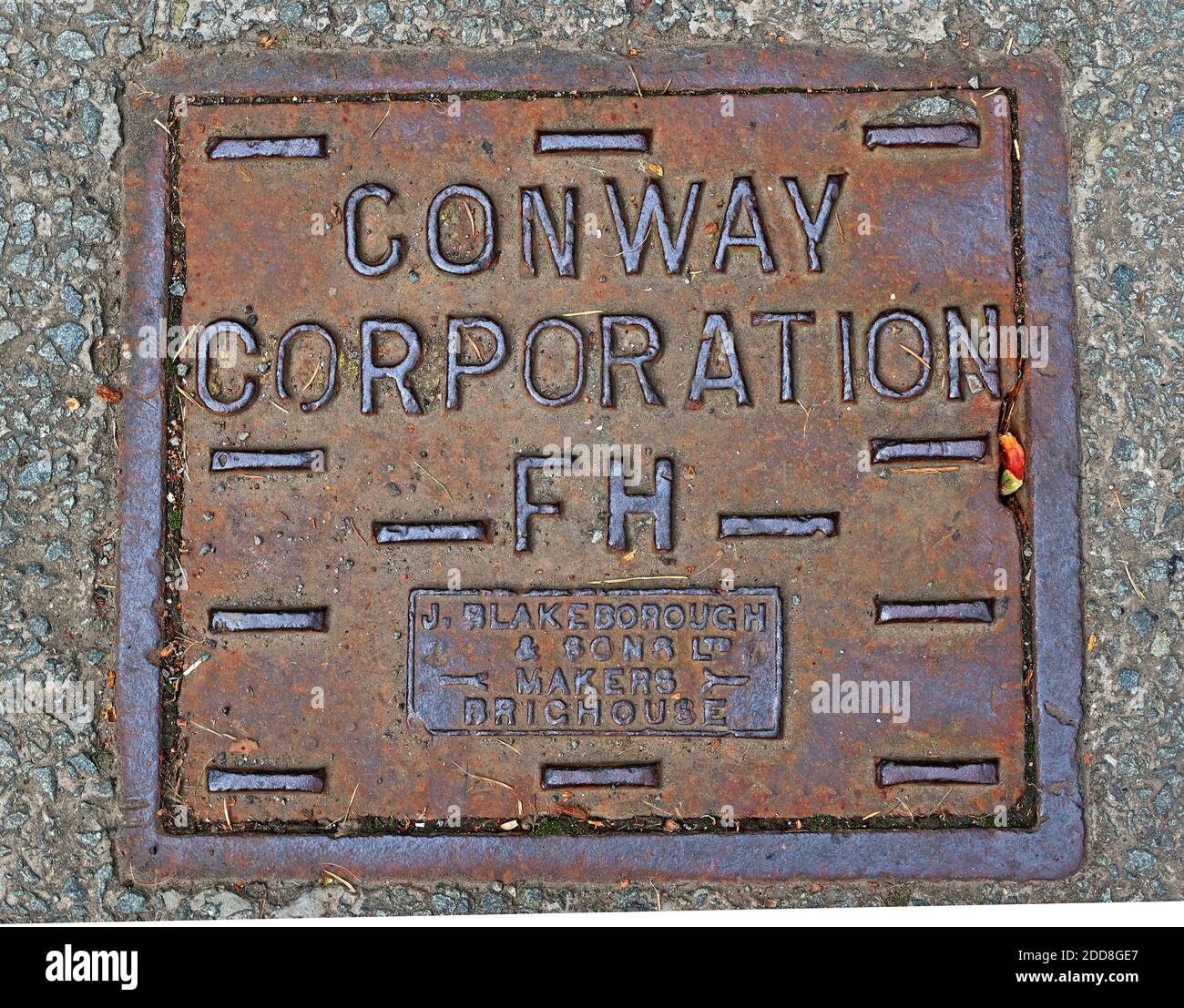
Image details
Contributor:
Tony SmithImage ID:
2DD8GE7File size:
43.7 MB (3.6 MB Compressed download)Releases:
Model - no | Property - noDo I need a release?Dimensions:
4418 x 3458 px | 37.4 x 29.3 cm | 14.7 x 11.5 inches | 300dpiDate taken:
29 August 2020More information:
. Recorded at the recorded location in 2020, the image fixes a recognisable subject and its environment at one point in time, giving later viewers a reliable basis for comparison. The image documents Conway Corporation FH, Conwy Corporation FH, Fire Hydrant cover, ironwork, Blakeborough, makers Brighouse. The frame also records themes of waterside leisure, historic streetscape, river transport, local landmark, waterborne travel, heritage asset, built heritage, historic townscape, blue-green infrastructure, marine mobility, river crossing, urban waterway, period streetscape, and changing land use. The modern context includes continuing discussion of redevelopment pressure, embodied carbon and the tension between conservation and redevelopment. For current editorial use, river transport and biodiversity provide additional context, especially through how waterfronts are increasingly used as public spaces and regeneration anchors. The image fixes building condition and alterations within the recorded location at one identifiable point, providing a benchmark against different community use. The wider setting retains connections with place identity, contemporary social history, documentary photography, conservation architecture, waterfront cityscape, local character, historical comparison, and archival record. Details involving Brighouse, Conwy, ironwork, Corporation, and Blakeborough make the image more specific than a generic view and strengthen its local or historical value. By fixing the subject within the recorded location, the image preserves more than the headline object or building: it records part of the locality's everyday history. The image also provides a reference for redevelopment pressure and the tension between conservation and redevelopment in a form that can be compared with future views of the recorded location. The photograph keeps period character within the wider story of the recorded location.

