
Fire hydrant tap and Fire Extinguishers station, in a public building,England,UK - water
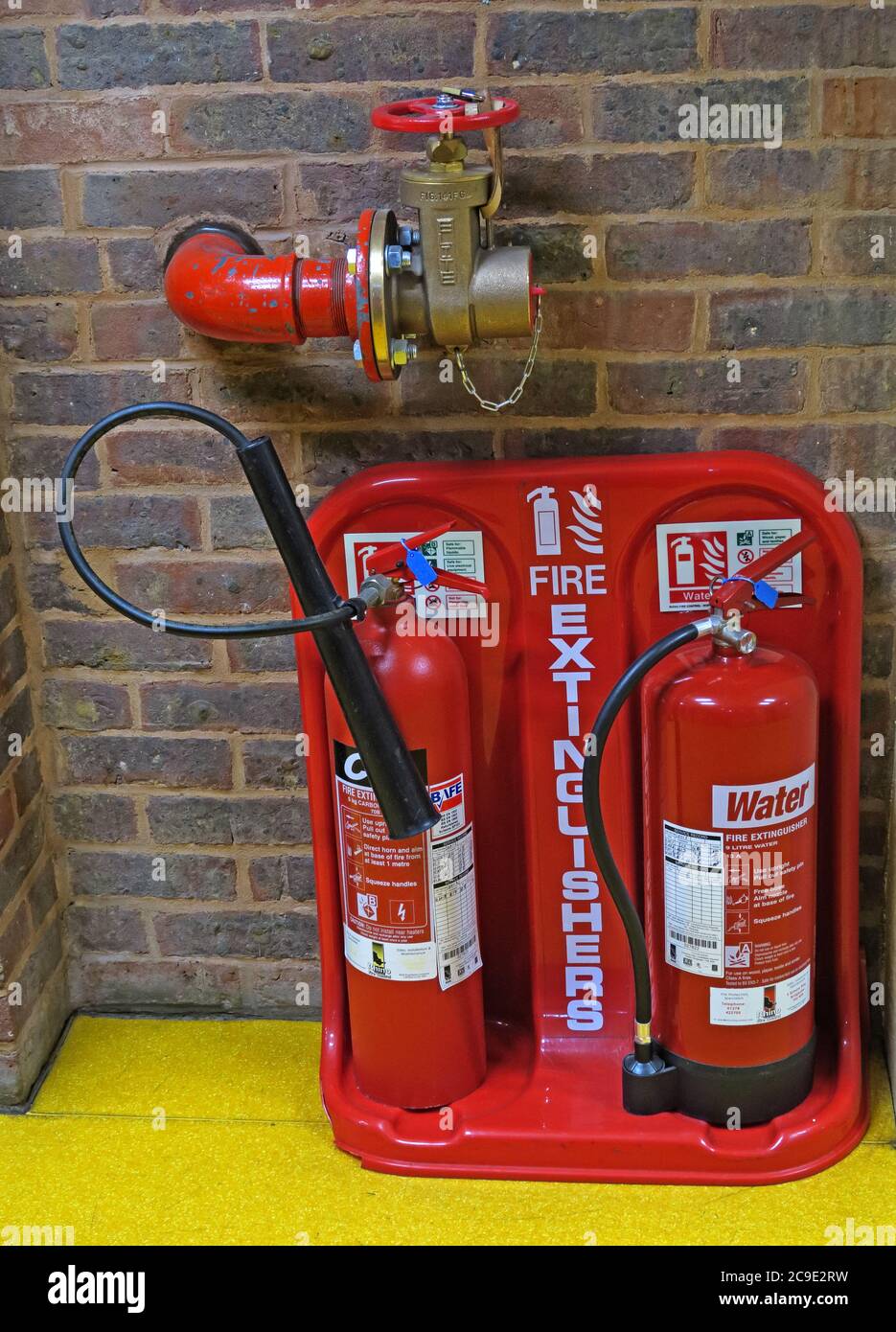
Image details
Contributor:
Tony SmithImage ID:
2C9E2RWFile size:
42.8 MB (2.3 MB Compressed download)Releases:
Model - no | Property - noDo I need a release?Dimensions:
3280 x 4560 px | 27.8 x 38.6 cm | 10.9 x 15.2 inches | 300dpiDate taken:
6 February 2019More information:
. This period photograph records the recorded location as an identifiable real-world setting rather than a generic illustration. The principal subject is Fire hydrant tap and Fire Extinguishers station, in a public building, England, UK - water. Further connections within the scene include historical comparison, station environment, commuter travel, railway branding, urban change, local character, built environment, rail modernisation, passenger railway, contemporary history, documentary photography, rail corridor, local history, and social landscape. From a 2025-onward perspective, the scene also connects with station investment, accessibility and making passenger rail simpler and more dependable. For later comparison, the photograph preserves ownership and occupation at the recorded location, details that may look very different after different community use. The wider local story also touches on everyday Britain, rail transport, transport interchange, social history, mass transit, regional rail, regional identity, and community identity. The recorded references to Extinguishers, station, water, hydrant, and public preserve clues that can help identify how the subject was presented or used at the time. The surrounding context at the recorded location matters because ordinary visual details often provide the strongest evidence of how a place actually looked and functioned. Another useful connection is station investment and making passenger rail simpler and more dependable in a form that can be compared with future views of the recorded location. The scene further reflects decarbonisation and reducing congestion and car dependency within the real-world context of the recorded location. Its period value extends to accessibility and reducing congestion and car dependency within the specific setting of the recorded location. The frame therefore remains a dated reference for the recorded location and the changing story of the subject shown.

