
Quoisley Lock - Shropshire Union Canal, Marbury, Cheshire, England, UK - Traditional Canal
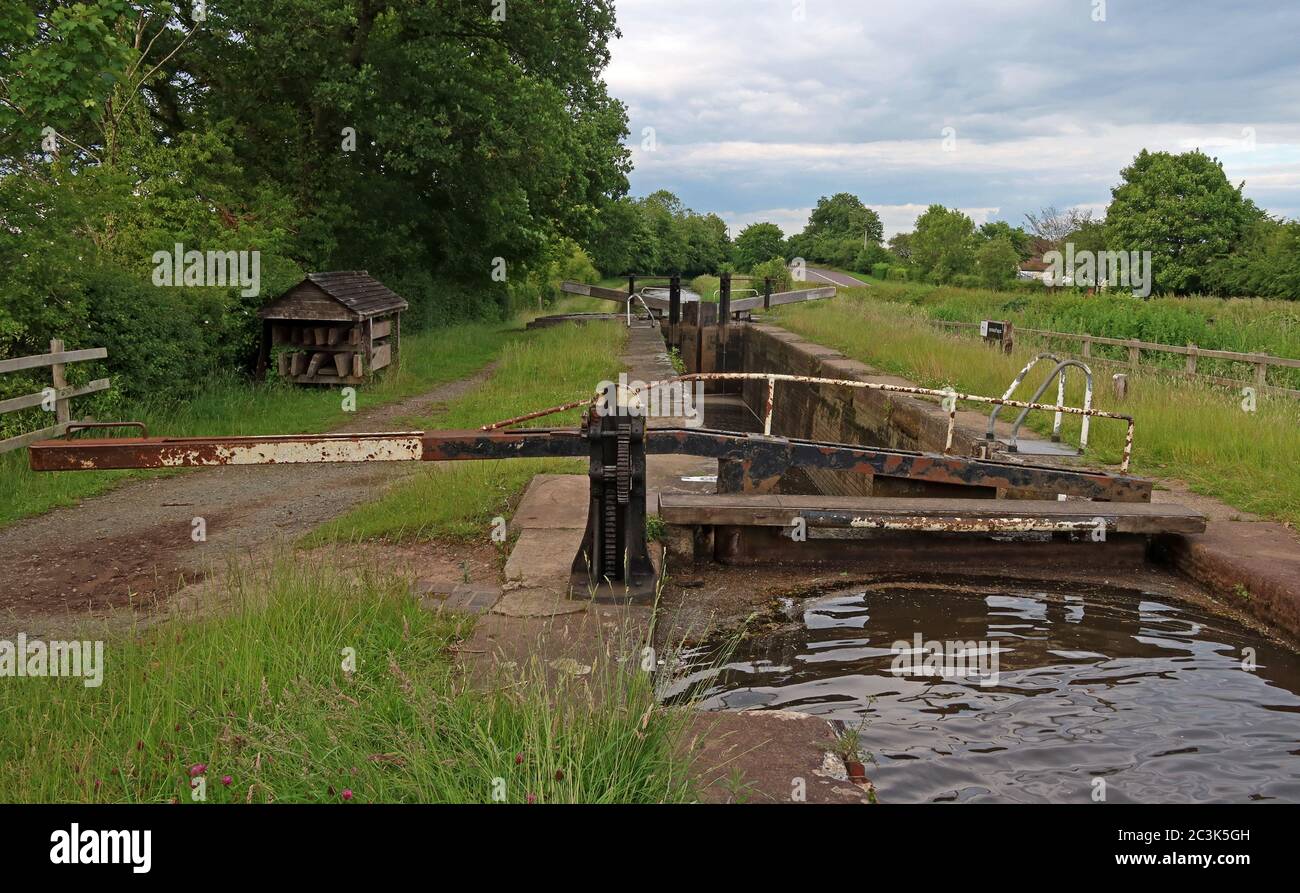
Image details
Contributor:
Tony SmithImage ID:
2C3K5GHFile size:
53 MB (2.8 MB Compressed download)Releases:
Model - no | Property - noDo I need a release?Dimensions:
5472 x 3384 px | 46.3 x 28.7 cm | 18.2 x 11.3 inches | 300dpiDate taken:
20 June 2020More information:
. This scene at the recorded location documents an everyday subject with wider connections to local identity, social history and changing patterns of use. The photograph is concerned with Quoisley Lock - Shropshire Union Canal, Marbury, Cheshire, England, UK - Traditional Canal. Further connections within the scene include working waterway, public realm, local character, managed navigation, documentary photography, visual archive, industrial waterway history, historical comparison, lock-side environment, boating network, everyday Britain, social history, river transport, and towpath landscape. The subject remains useful for current coverage of waterway maintenance and navigation funding, not least because of keeping historic infrastructure safe and operational. Future viewers can use this scene from the recorded location to compare materials and construction with whatever follows after changing public expectations. The subject also sits alongside historic transport corridor, built environment, contemporary history, place identity, navigation engineering, riparian setting, before-and-after reference, and regional identity. References to Union, Canal, Marbury, Quoisley, and Shropshire give the picture a strong period identity and tie it closely to the named subject. The surrounding context at the recorded location matters because ordinary visual details often provide the strongest evidence of how a place actually looked and functioned. The wider significance includes waterway maintenance and keeping historic infrastructure safe and operational in a form that can be compared with future views of the recorded location. Another strand within the photograph is heritage conservation and the value of canals and rivers as blue-green corridors within the real-world context of the recorded location. The scene retains a connection with waterside regeneration and keeping historic infrastructure safe and operational within the specific setting of the recorded location.

