
Liverpool Pier Head cruise ship and Ferry Entrance, Liverpool,Merseyside,England,UK, L3 1DP
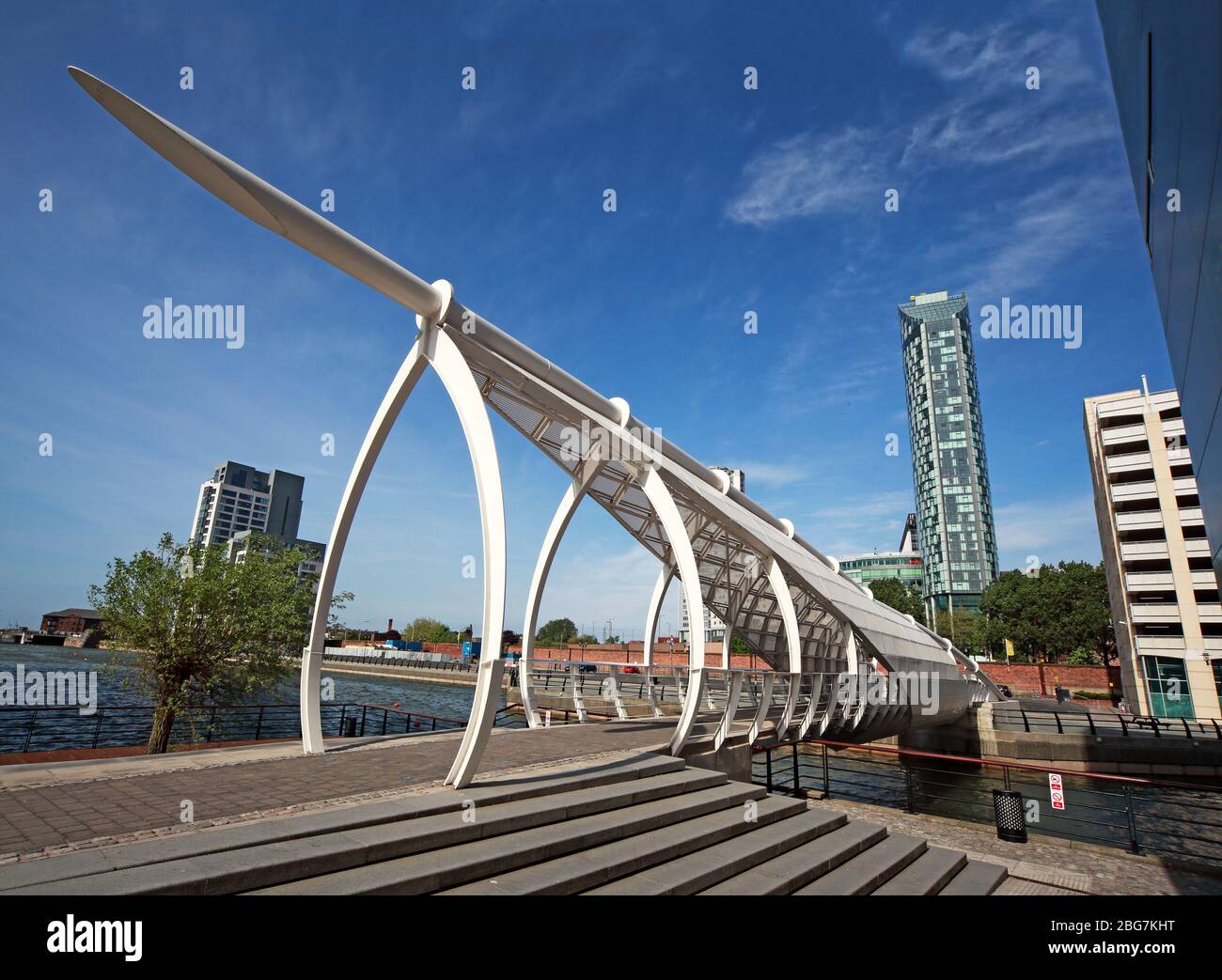
Image details
Contributor:
Tony SmithImage ID:
2BG7KHTFile size:
55.7 MB (1.8 MB Compressed download)Releases:
Model - no | Property - noDo I need a release?Dimensions:
5151 x 3777 px | 43.6 x 32 cm | 17.2 x 12.6 inches | 300dpiDate taken:
25 April 2011More information:
. A detailed documentary view from the recorded location, preserving the appearance and character of the subject at a particular point in time. The view specifically shows Liverpool Pier Head cruise ship and Ferry Entrance, Liverpool, Merseyside, England, UK, L3 1DP. The scene can also be read in terms of community identity, urban change, navigation engineering, waterside infrastructure, boating network, river transport, local history, social landscape, visual archive, archival record, industrial waterway history, historic transport corridor, canal heritage, and towpath landscape. In the mid-2020s, waterside regeneration and towpath access keep this subject current, particularly through balancing leisure use with engineering and environmental needs. Small period details of ownership and occupation at the recorded location may become more significant with time, especially following new construction. The setting also brings in inland navigation, documentary photography, waterborne travel, lock-side environment, public realm, regional identity, social history, and place identity. The combination of cruise, Liverpool, Ferry, Merseyside, and Entrance helps anchor the frame to a recognisable activity, place or period. For the recorded location, the photograph contributes to a cumulative visual history in which small changes in use, signs, access and appearance can be traced over time. That also gives the frame relevance to waterside regeneration and the value of canals and rivers as blue-green corridors as part of the longer story of the recorded location. Another useful connection is waterway maintenance and the value of canals and rivers as blue-green corridors when considered against later change at the recorded location. The scene further reflects navigation funding and keeping historic infrastructure safe and operational without losing the local specificity of the recorded location.

