
Italian stamp, poste Italia used and franked stamp, castles of Italy, Italia 550lire Castello Di Rocca Sinibalda - E.Vangelli - Roma
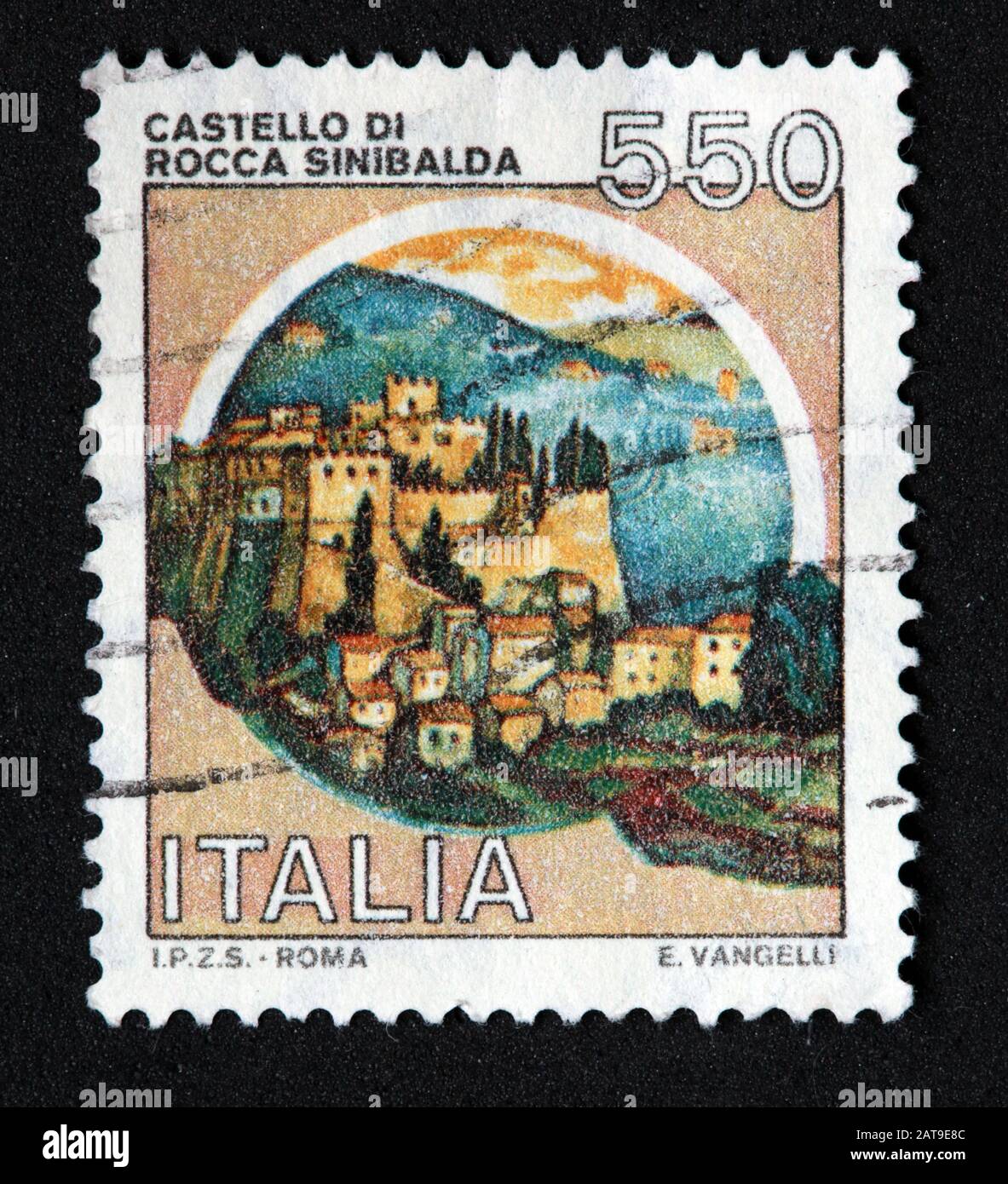
Image details
Contributor:
Tony SmithImage ID:
2AT9E8CFile size:
40 MB (2 MB Compressed download)Releases:
Model - no | Property - noDo I need a release?Dimensions:
3568 x 3920 px | 30.2 x 33.2 cm | 11.9 x 13.1 inches | 300dpiDate taken:
26 July 2015Location:
ItalyMore information:
. This documentary view of Italy in 2015 captures the subject within its actual surroundings, preserving a dated piece of visual history rather than an isolated object study. The subject recorded here is Italian stamp, poste Italia used and franked stamp, castles of Italy, Italia 550lire Castello Di Rocca Sinibalda - E.Vangelli - Roma. A broader reading of the scene brings in historic context, archival record, everyday life, visual archive, community identity, architectural character, adaptive reuse, built heritage, before-and-after reference, architectural detailing, conservation architecture, place identity, heritage asset, and changing streetscape. The present-day relevance extends to embodied carbon and maintenance costs, while a wider concern is the contrast between preservation and redevelopment. As a documentary source, the image captures the combination of built form, activity and local identity within the setting of Italy. A second layer of the scene includes documentary photography, local character, public realm, period streetscape, conservation interest, heritage landmark, traditional masonry, and changing land use. The combination of Vangelli, Sinibalda, Rocca, poste, and Italia anchors the image to a recognisable activity, place or moment. The surrounding context at Italy matters because ordinary visual details often provide the strongest evidence of how a place actually looked and functioned. Its period value extends to embodied carbon and the contrast between preservation and redevelopment in a form that can be compared with future views of Italy. The location additionally provides evidence of heritage conservation and the role of distinctive architecture in local identity within the real-world context of Italy. A further contemporary connection is adaptive reuse and reusing existing buildings rather than demolishing them within the specific setting of Italy.

