
Low Maintenance Lead Acid Batteries, as used on British Railways , BR, terminals and covers
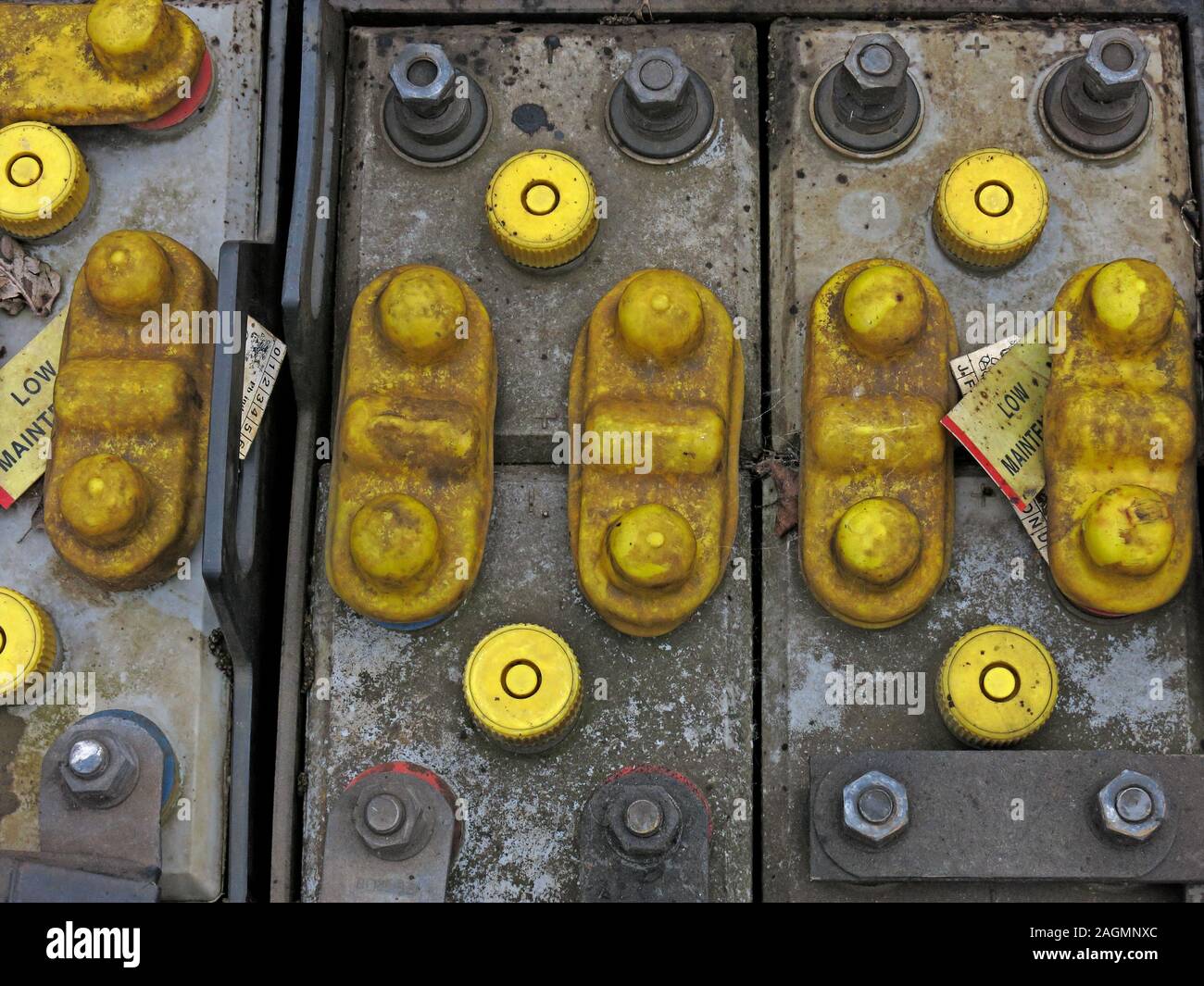
Image details
Contributor:
Tony SmithImage ID:
2AGMNXCFile size:
34.3 MB (1.8 MB Compressed download)Releases:
Model - no | Property - noDo I need a release?Dimensions:
4000 x 3000 px | 33.9 x 25.4 cm | 13.3 x 10 inches | 300dpiDate taken:
4 May 2014Location:
Great Britain, UKMore information:
. This period scene at Great Britain, UK in 2014 provides a visual reference to the named subject and the wider commercial, social, cultural or physical environment around it. The photograph records Low Maintenance Lead Acid Batteries, as used on British Railways , BR, terminals and covers. A broader reading of the scene brings in station environment, factory history, industrial material culture, historic context, changing land use, local history, manufacturing heritage, place identity, public realm, industrial artefact, historic manufacturing, traditional building materials, transport interchange, and labour history. In the mid-2020s, station investment and fares keep the subject current, particularly through making rail simpler and more dependable. The subject remains useful for current coverage of embodied carbon and regional industry, not least because of recording industries that shaped northern towns. For retrospective editorial use, the scene fixes period details that may disappear after redevelopment or refurbishment as seen at Great Britain, UK. Further connections include social history, community identity, passenger railway, building-material production, rail modernisation, trackside infrastructure, industrial supply chain, and production works. Details involving covers, terminals, Batteries, Maintenance, and Railways give the scene useful specificity and strengthen its local, cultural or historical identity. By fixing the subject within Great Britain, UK, the image preserves more than the headline object or building: it records part of the locality's everyday history. The image also provides a reference for station investment and preserving railway heritage while modernising the network within the specific setting of Great Britain, UK. Another useful connection is regional industry and the reuse or loss of former production sites as part of the longer story of Great Britain, UK.

