
Weighing,weight,machine,Digbeth,Birmingham
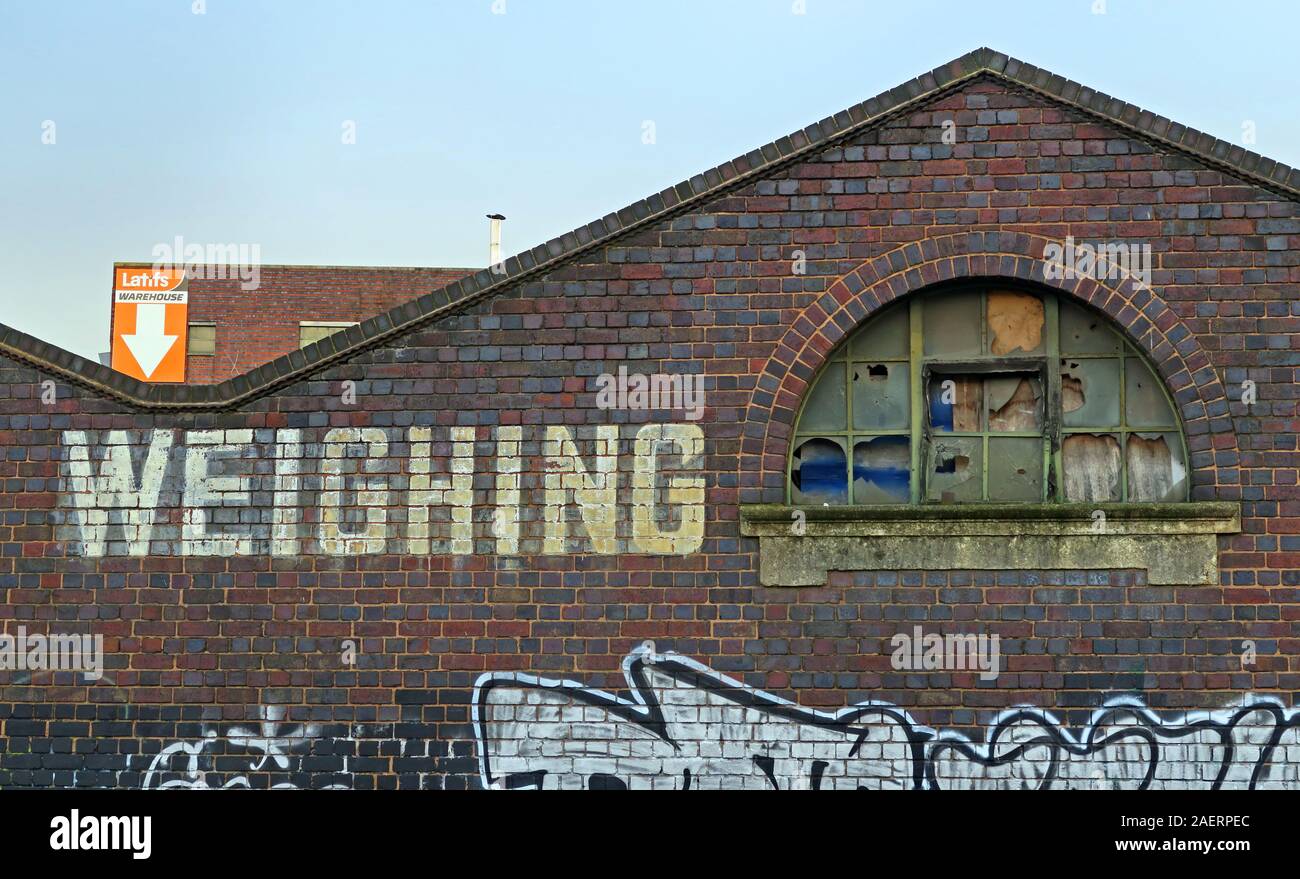
Image details
Contributor:
Tony SmithImage ID:
2AERPECFile size:
52 MB (2.7 MB Compressed download)Releases:
Model - no | Property - noDo I need a release?Dimensions:
5472 x 3324 px | 46.3 x 28.1 cm | 18.2 x 11.1 inches | 300dpiDate taken:
19 October 2019More information:
. This location-based editorial photograph from the recorded location in 2019 preserves a recognisable subject together with clues about how the place was used and presented at the time. The scene shows Weighing, weight, machine, Digbeth, Birmingham. The frame also contains themes of everyday life, local history, historic context, working-industry history, visual archive, labour history, regional identity, changing streetscape, historical comparison, contemporary social history, archival record, production works, community identity, and production technology. Viewed from the mid-2020s, the subject sits within continuing debate about adaptive reuse, construction materials and the reuse or loss of former production sites. For later comparison, the view leaves evidence of the visual character of the locality at the time as seen at the recorded location. The surrounding context also covers traditional building materials, industrial material culture, engineering heritage, industrial artefact, local character, public realm, industrial supply chain, and building-material production. The combination of machine, Weighing, Birmingham, weight, and Digbeth anchors the image to a recognisable activity, place or moment. The surrounding context at the recorded location matters because ordinary visual details often provide the strongest evidence of how a place actually looked and functioned. The location additionally provides evidence of adaptive reuse and the reuse or loss of former production sites in a form that can be compared with future views of the recorded location. A further contemporary connection is factory closures and the relationship between local geology, manufacturing and the built environment within the real-world context of the recorded location. The wider significance includes industrial conservation and recording industries that shaped northern towns within the specific setting of the recorded location.

