
Brick Lane graffiti,No Place For Hate,Bojo The Bozo,East London,England
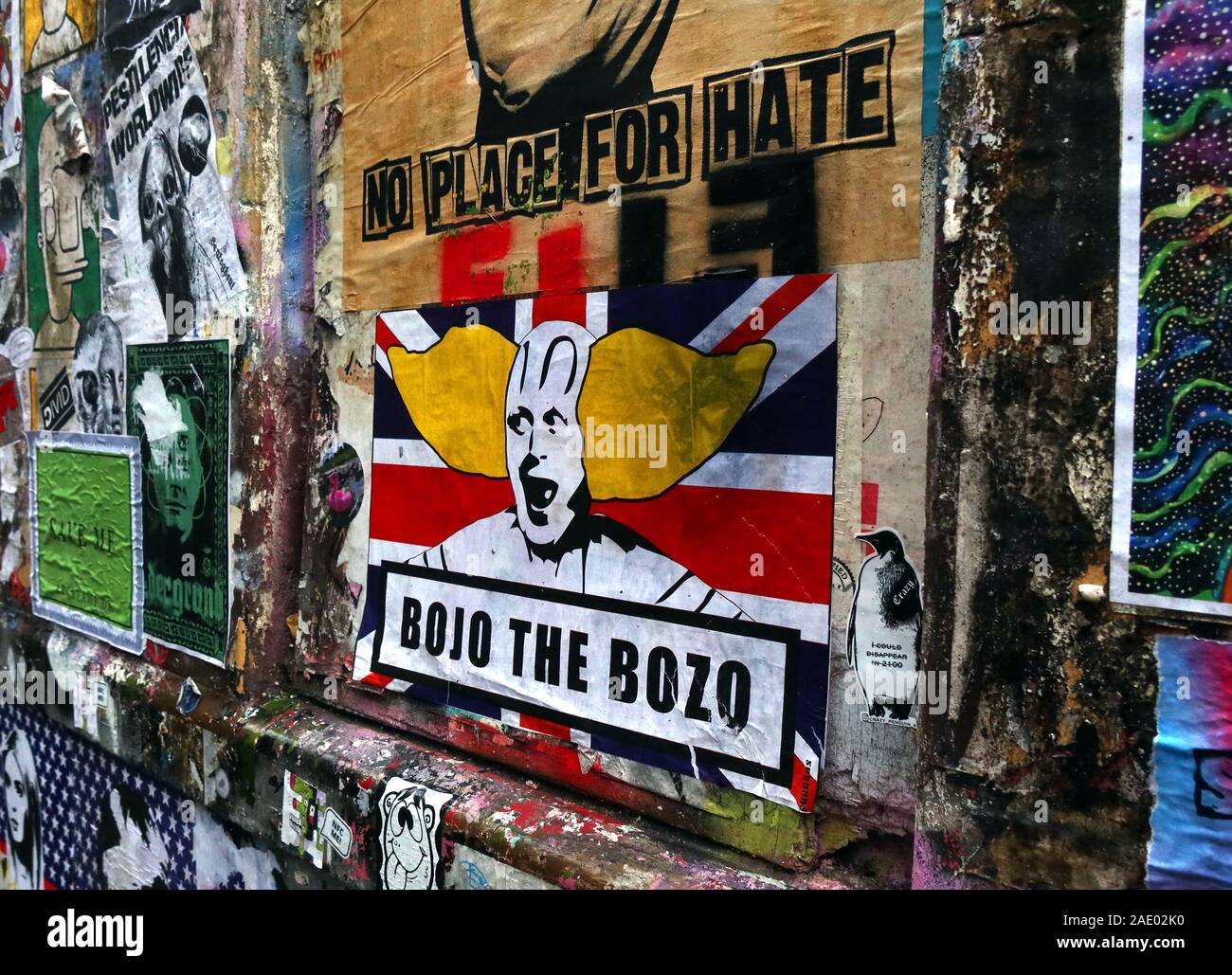
Image details
Contributor:
Tony SmithImage ID:
2AE02K0File size:
41.9 MB (2 MB Compressed download)Releases:
Model - no | Property - noDo I need a release?Dimensions:
4500 x 3252 px | 38.1 x 27.5 cm | 15 x 10.8 inches | 300dpiDate taken:
26 November 2019Location:
Brick Lane, East London, England, UKMore information:
. An on-location image from Brick Lane, East London, England, UK in 2019, useful both for the specific subject shown and for the evidence it retains about local identity, design, use and everyday life. At the centre of the frame is Brick Lane graffiti, No Place For Hate, Bojo The Bozo, East London, England. Other connected aspects include period detail, contemporary social history, historical comparison, place identity, electoral messaging, engineering heritage, government priorities, industrial archaeology, building-material production, community identity, historic context, social history, constituency representation, and before-and-after reference. The present-day relevance extends to local services and electoral accountability, while a wider concern is tracking how priorities change after elections. Current discussion around this subject increasingly includes manufacturing history alongside adaptive reuse, with particular attention to recording industries that shaped northern towns. From an archival perspective, the photograph anchors small features of identity that written records may overlook around Brick Lane, East London, England, UK. A second layer of the scene includes historic manufacturing, industrial artefact, traditional building materials, public policy, changing streetscape, local character, working-industry history, and civic debate. Details involving graffiti, Place, Brick, and London give the scene useful specificity and strengthen its local, cultural or historical identity. The surrounding context at Brick Lane, East London, England, UK matters because ordinary visual details often provide the strongest evidence of how a place actually looked and functioned. Its period value extends to local services and preserving campaign language that can quickly date when considered against later change at Brick Lane, East London, England, UK. The photograph keeps period character for later comparison.

