
Estd 1921, Barras sign, Gallowgate, East End, Glasgow, Scotland, UK, G1 5DX
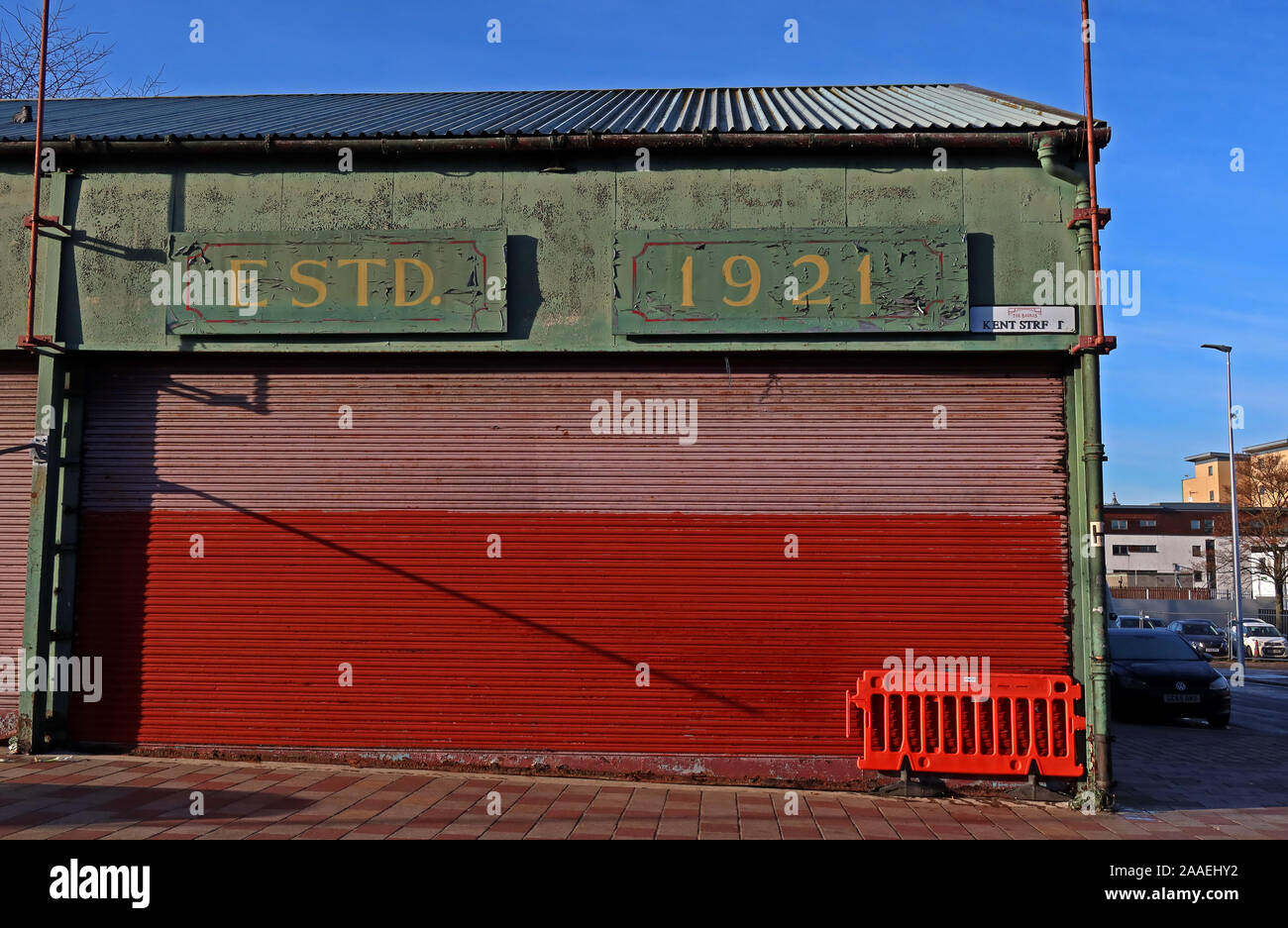
Image details
Contributor:
Tony SmithImage ID:
2AAEHY2File size:
49.9 MB (2.3 MB Compressed download)Releases:
Model - no | Property - noDo I need a release?Dimensions:
5172 x 3372 px | 43.8 x 28.5 cm | 17.2 x 11.2 inches | 300dpiDate taken:
18 November 2019More information:
. This period scene at the recorded location in 2019 provides a visual reference to the named subject and the wider commercial, social, cultural or physical environment around it. The main subject is Estd 1921, Barras sign, Gallowgate, East End, Glasgow, Scotland, UK, G1 5DX. The frame also contains themes of community identity, safety messaging, commercial streetscape, retail property, shopfront economy, before-and-after reference, venue rules, place identity, local history, customer guidance, visitor instruction, independent trading, visual regulation, and public information notice. In the mid-2020s, commercial rents and consumer spending keep the subject current, particularly through how high streets adapt when traditional retail contracts. The subject remains useful for current coverage of venue policy and public safety, not least because of the balance between access, safety and venue responsibility. For local-history research, the view documents the way the place functioned before later physical or commercial change at the recorded location. The subject sits alongside local character, public realm, changing streetscape, rule enforcement, town-centre economy, changing land use, regional identity, and behavioural signage. The recorded references to Scotland, Gallowgate, Glasgow, and Barras preserve clues about how the subject was presented, used or understood at the time. The surrounding context at the recorded location matters because ordinary visual details often provide the strongest evidence of how a place actually looked and functioned. The image also provides a reference for commercial rents and how high streets adapt when traditional retail contracts when considered against later change at the recorded location. Another useful connection is customer management and the balance between access, safety and venue responsibility without losing the local specificity of the recorded location.

