With a career spanning four decades, images published in GQ magazine, The New York Times and National Geographic, alongside extensive travel across Latin America, Africa and South-East Asia we knew portrait and documentary photographer Horst Friedrichs would have a wealth of knowledge we could tap into.
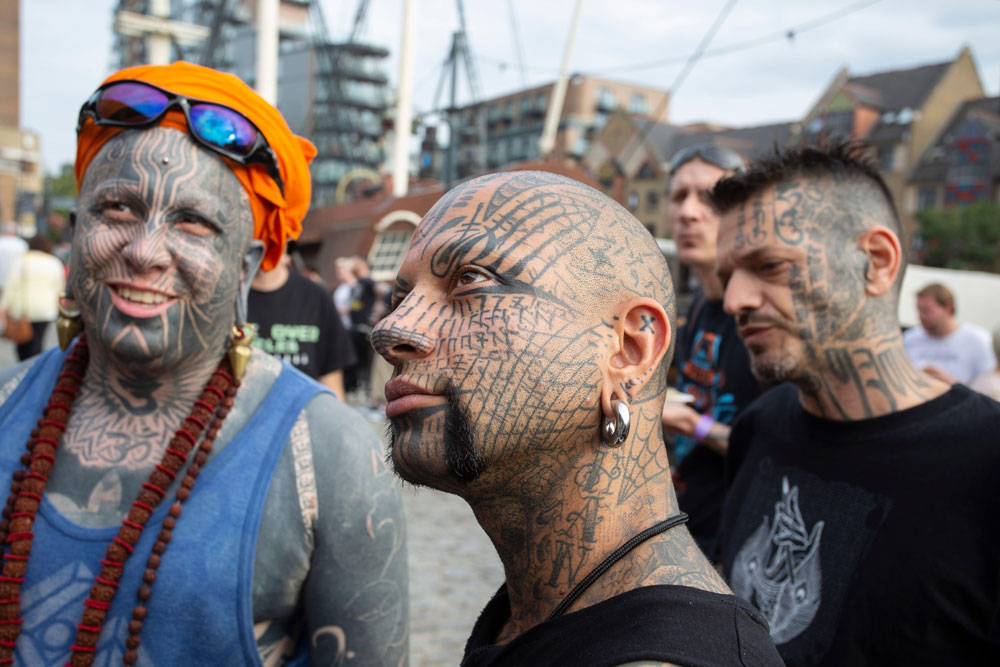
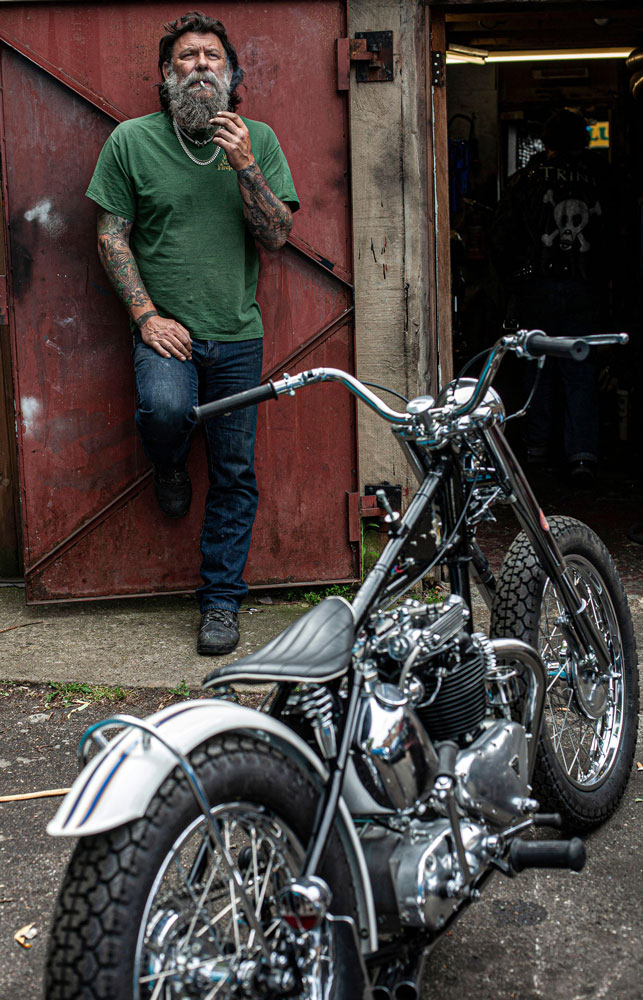
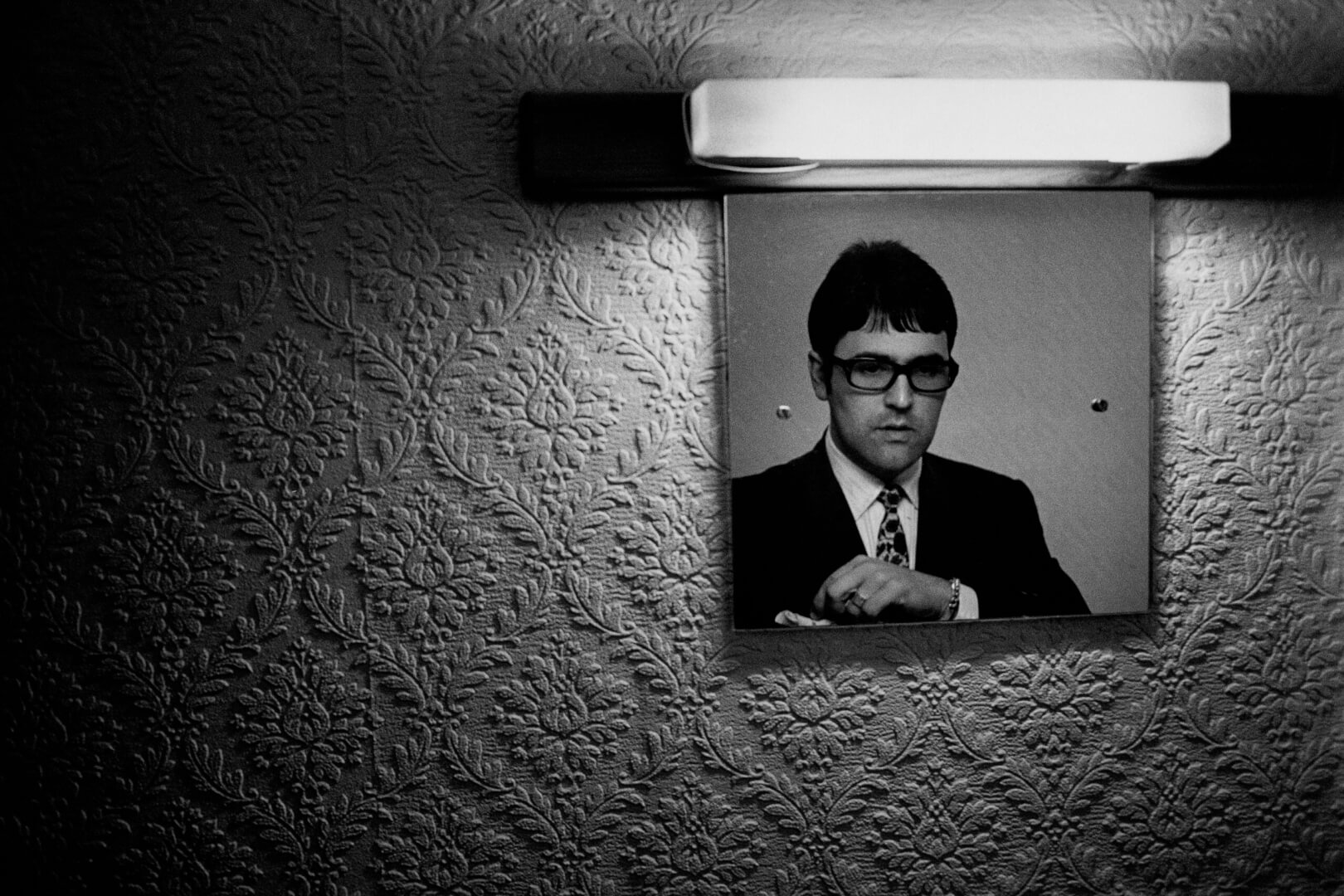
Born in Germany, Horst moved to London in the 1990s and was inspired to document British subcultures, developing projects that he would work on meticulously over several years. These projects would culminate in numerous published books.
We spoke to Horst about how he has found the transition from analogue photography to digital, how he adjusts his approach to capturing photos according to his subject and the advice he would give to photographers just starting out.
“Chasing single shots for likes might bring short-term attention, but long-term projects build relevance and legacy. That’s how books are made. That’s how prizes are won.” – Horst Friedrichs
LG: How long have you been a photographer and what made you want to get into photography?
HF: I’ve always been drawn to underground yet influential groups, and I’ve always loved books. Growing up in Germany in the 1980s, I developed a fascination with culture and identity.
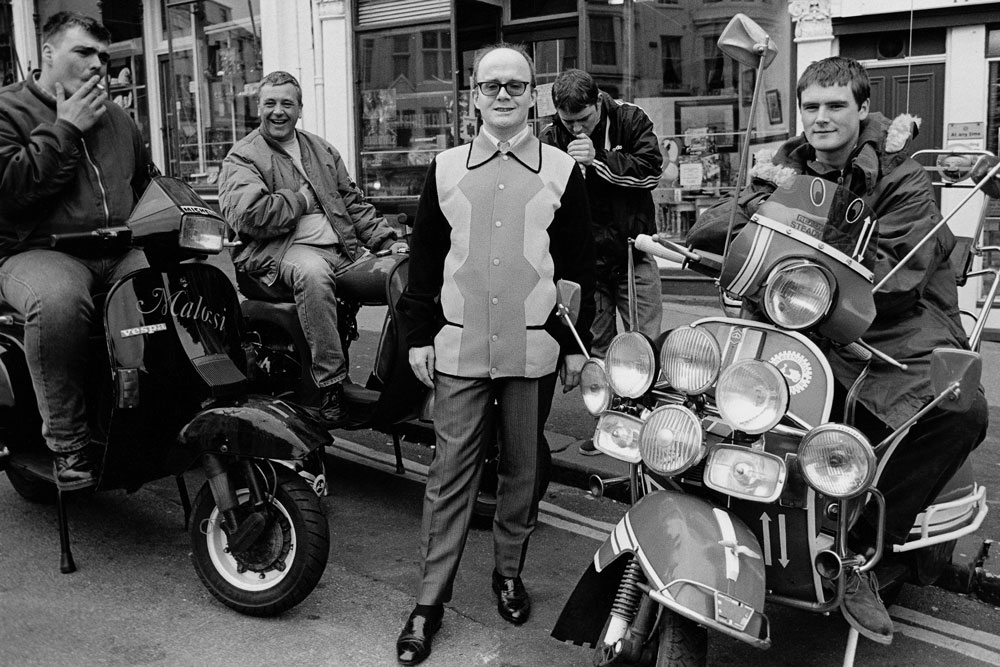
When I moved to London in 1997, I became naturally curious about British subcultures. After some research, I discovered a sophisticated and stylish community of mods. I began attending their club nights and scooter runs, photographing the people and the atmosphere that made the scene so unique. That became the starting point of my journey into documenting British subcultures. Over two decades I documented mods, rockers, cycle style, drive style, denim style, coffee style, and pubs in England. Those years of work resulted in 15 books most of them with Prestel Publishing.


LG: What is your process for digitising your images, and how do you prioritise what to upload to your Alamy collection next?
HF: I started with analogue photography in the early 1990s and transitioned into digital with the first Leica Digilux, released in 1998 – a 1.5-megapixel compact camera. Naturally, I upload my digital images to my Alamy collection first. My analogue work, both colour transparency film and black and white negative film, needs to be scanned, which is quite time-consuming. Because of that, the digital archive is prioritised, while the analogue material requires a slower, more careful workflow.
LG: Tell us the story behind your most difficult shot. What was the most difficult thing you ever had to photograph and why?
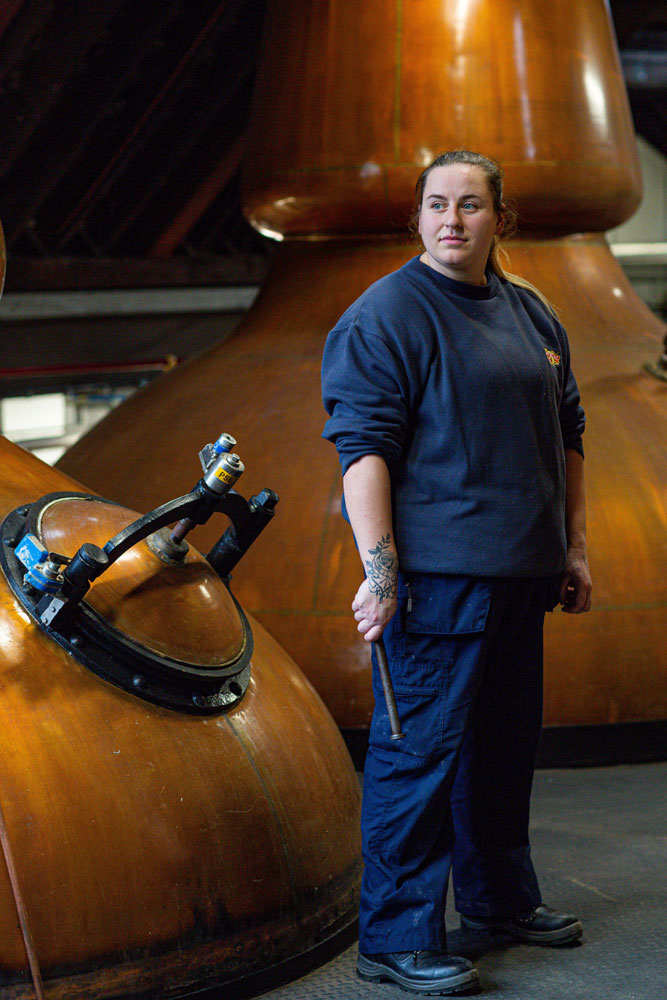
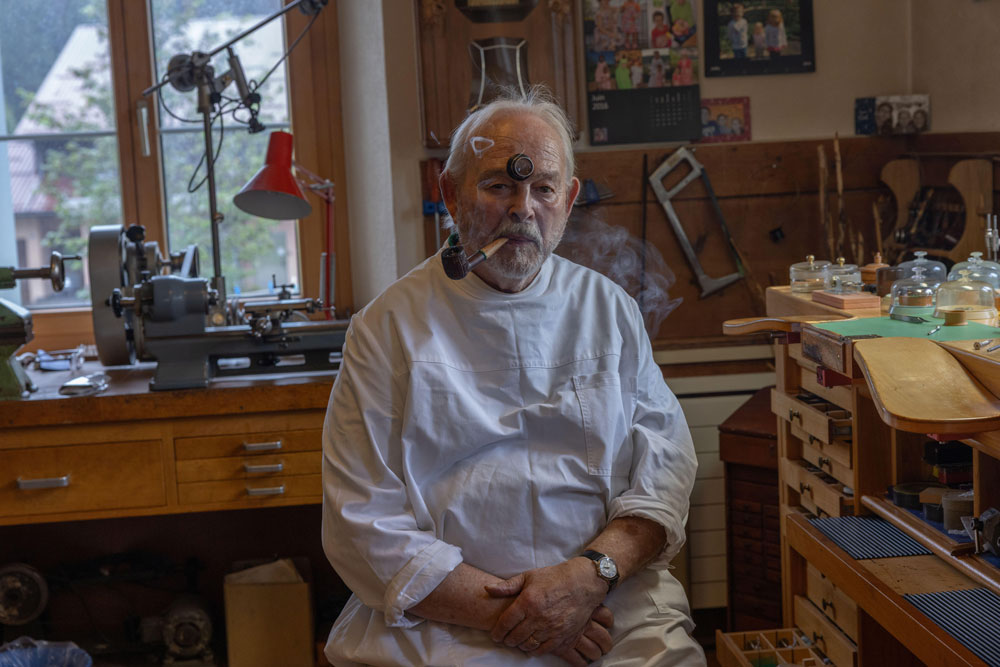
HF: All of my projects are long-term and require deep commitment, some spanning over 12 years. My Scotch whisky project was challenging, but my most recent project on Swiss watchmakers was probably the most difficult.The biggest challenge is always access. Gaining trust and being allowed into these worlds takes time, patience, and respect. Without access, there is no story.



LG: When do you know you have a good picture?
HF: After all these years, it comes down to a gut feeling. You simply feel when everything aligns: the light, the composition, the moment.
LG: You’ve photographed many people, from famous celebrities to local people in their everyday lives. Do you adjust your way of working depending on who your subject is?
HF: Yes, my approach differs significantly. For commercial assignments and portraits such as with Stephen Hawking or Robbie Williams, the process is more formal and time-constrained. It requires thorough preparation and homework, as you often only have one opportunity.
However, I prefer photographing “real people.” My method is deeply rooted in long-term documentary projects. I immerse myself in the culture, whether it’s the rockers scene or football supporters. I work up close, authentically, right in the middle of the action and always with genuine affection and respect for my subjects. I approach people with curiosity and a calm, making them feel at ease.
I immerse myself so deeply in a scene that I truly understand it — and in doing so, I almost become an expert within that world.




LG: Your career has spanned analogue and digital photography. How was the transition, and do you have a preference?
HF: I fully embraced modern digital technology, and with my Canon EOS R6 I appreciate the impressive sensitivity for shooting in extremely low light. However, shooting analogue – whether colour film with its beautiful, natural skin tones, or black and white with my Leica M or Hasselblad on Tri-X film – remains unique. Analogue feels more poetic. Working in the darkroom is expensive, but magical. I value both for different reasons.
LG: Where does your inspiration come from?
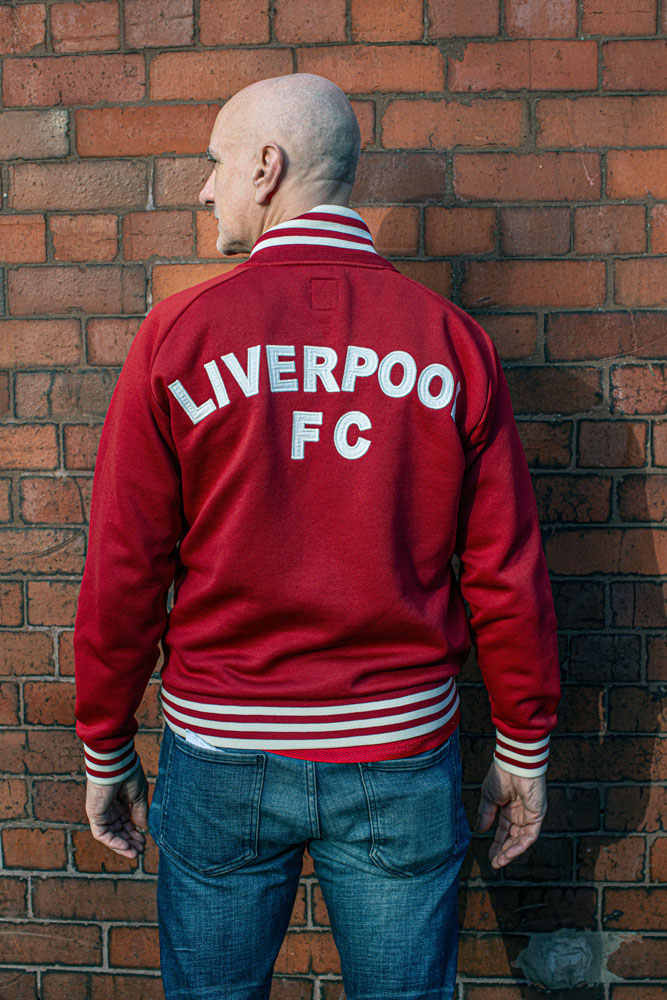
HF: My inspiration is deeply rooted in music, subcultures, and personal curiosity. When I listened to “You’ll Never Walk Alone,” it became a huge inspiration for my Liverpool FC supporters project. Music often opens the emotional door to a story.



LG: What’s your all-time favourite shot from your Alamy collection and why?
HF: My portrait session with Robbie Williams in London, 1997. I had just moved from Germany. Life Thru a Lens had been released, Robbie had gone solo, and by the end of the decade he would become Britain’s biggest pop star. My first big assignment? Robbie.
I was given a 15-minute slot in a hotel suite, right after Rankin. I wanted something iconic. Instead of staying inside, I took Robbie to his favourite spot: The Nag’s Head in Belgravia. No entourage. No set-up. Just the pub. He sat down. I asked, “Do you want a pint?” I didn’t yet know about his struggles at the time (Robbie struggled with alcohol and drug addiction for years before checking into rehab in 2007). He jumped up, pointed a finger in my face and shouted: “Are you f*ing mad?!”
Click!
Some moments you don’t plan.


LG: What advice would you give to a photographer just starting out?
HF: You need a long-term project. I’ve worked on projects for 12 years, but it could be 12 months or more. Think beyond social media.
Chasing single shots for likes might bring short-term attention, but it’s the long-term projects that build relevance and legacy. That’s how books are made. That’s how prizes are won.
We hope you enjoyed our interview with Horst. If you’ve got analogue images sitting in drawers at home taken over 20 years ago, why not apply for archival access, we’d love to see them. You can also explore our archival collection here.
For more of Horst’s brilliant work visit his website here, follow him on instagram here and see his full collection on Alamy here.
Make sure to follow us over on our Instagram to see who we feature on our next spotlight installment.