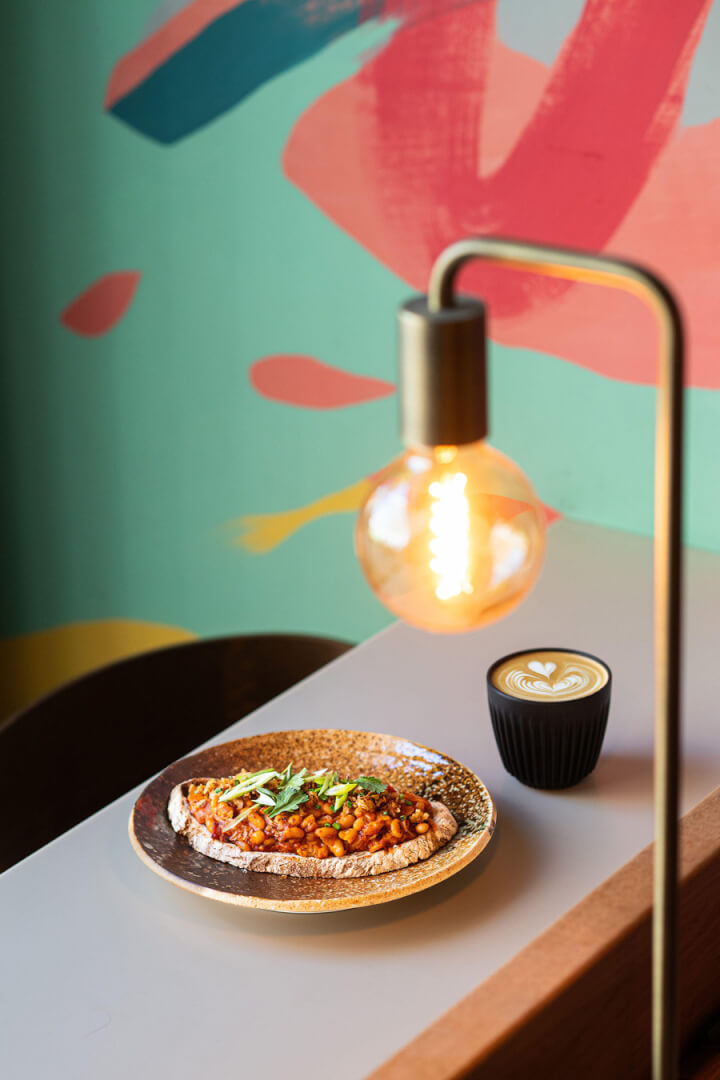
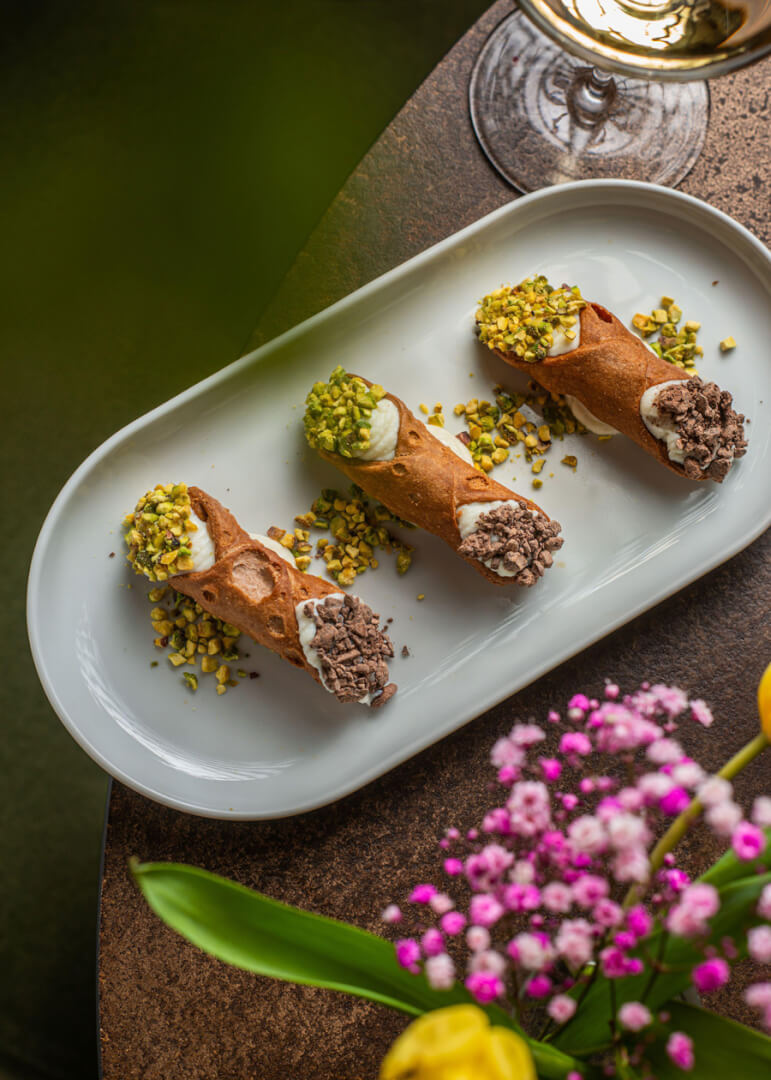
Contributing to Alamy since 2022, Simone and Fabrizio, the creatives behind Studio Oppes, have built up an extensive collection that not only showcases food and drink photography but also highlights the craftsmanship involved in preparing food dishes before they are captured.
A dish is not simply something to be photographed; there is a story, craftsmanship and the work of other people behind it. We enjoy trying to translate all of that into an image.
Studio Oppes
Carry on reading to learn why relocating from Brazil to England helped their photography journey, what a typical shoot setup looks like for them, and how the environment in which they photograph food helps with creating a mood.
CG: Tell us how you found your passion for food photography and why you love this area?
SO: Our journey into food photography began after we moved from Brazil to England. We had already been working as professional photographers for many years, but around ten years ago, we started to see opportunities in food photography and began exploring this area of our work. We soon started working with a chain of cafés and restaurants in Brighton, which gave us the opportunity to develop our skills and grow our food photography portfolio. What we particularly enjoy about food photography is the combination of light, atmosphere and creativity. A dish is not simply something to be photographed; there is a story, craftsmanship and the work of other people behind it. We enjoy trying to translate all of that into an image.


CG: Walk us through your set-up for a photoshoot and does this take much preparation?
SO: Our basic setup for food photography is quite simple. We usually work with one main light and one or two reflectors. For us, the most important thing is the positioning and quality of the light rather than having a large amount of equipment. Depending on the dish and the mood we want to create, the light may come from the side or from above, particularly when photographing a dish from a 45-degree angle. This can create beautiful specular highlights that give the food a fresh and appetising appearance. When we want a more dramatic image, we still tend to work with one main light, but we use panels and flags to narrow and control the beam. Rather than filling the opposite side, we may use a black panel to deepen the shadows, creating an image where the food is illuminated mainly by a controlled strip of light. We also like to use the existing ambient light whenever possible, particularly when working on location in restaurants and cafés. We might combine the ambient light in the environment with a controlled artificial light on the dish, which helps the food feel naturally connected to its surroundings.
CG: Composition is important when capturing food images, how do you go about getting the perfect composition?
SO: For us, composition develops during the shoot rather than being completely decided beforehand. We usually work handheld rather than using a tripod, which allows us to move around the dish and find the viewpoint that works best. As the image develops, we add or remove elements such as cutlery, glasses, napkins, or other dishes, depending on how they contribute to the composition. The only time we normally use a tripod is when we need to maintain exactly the same composition while changing the dish. This is particularly useful when photographing a series of dishes and keeping a consistent frame throughout the images. We also make some final adjustments to the composition during post-production, using Lightroom or Photoshop. These are usually subtle refinements to the framing or balance of the image.


CG: What’s your all-time favourite image from your collection?
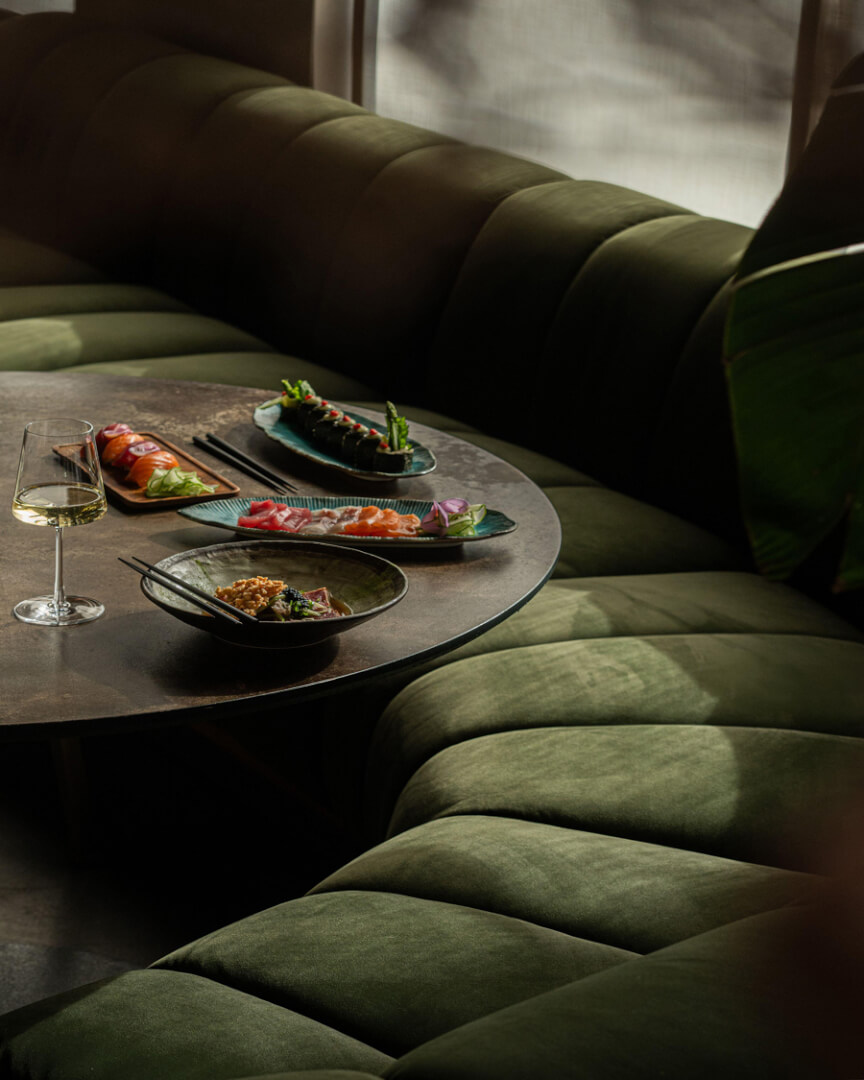
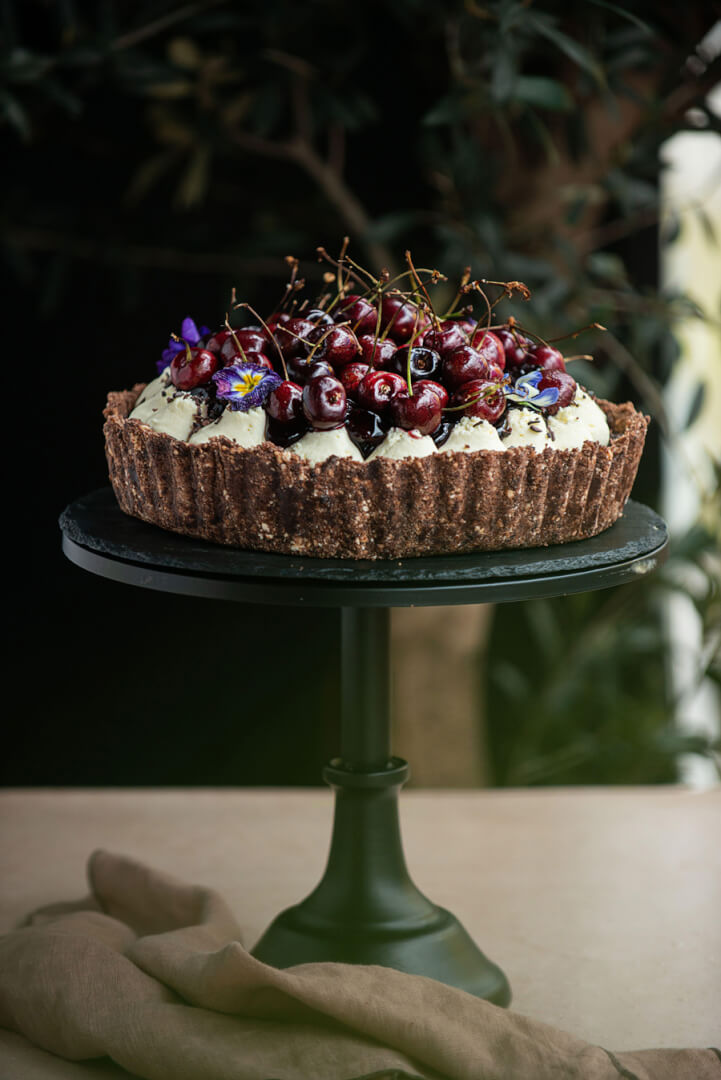
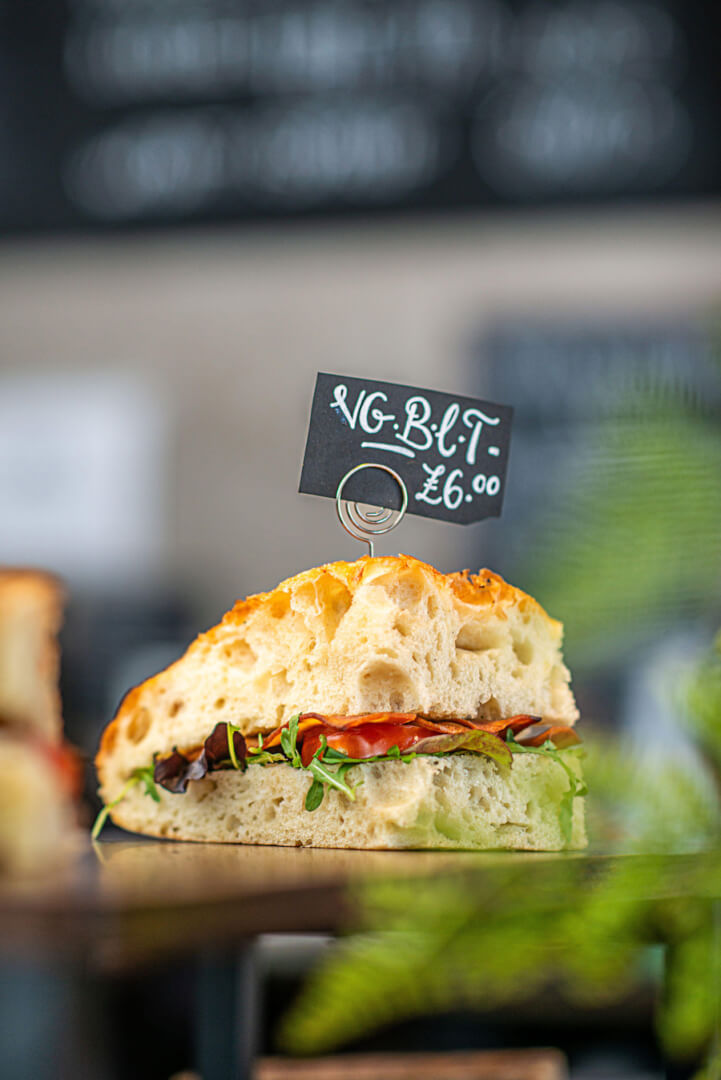
SO: It would be very difficult for us to choose one favourite image. As two photographers working together, we often have different personal favourites, so choosing just one would be a challenge. Instead, we tend to feel that an image has really worked when all the elements come together: the light, the food, the way the food reacts to the light, and the atmosphere of the environment around it. Because much of our work is photographed in restaurants and cafés rather than in a studio, the environment is an important part of our images. Whenever possible, we like to incorporate the existing ambient light into the photograph. This helps the dish feel naturally placed within its surroundings rather than isolated from them. Natural light is often enough on its own, and we also enjoy working with hard, direct sunlight when it suits the dish. When the light is too harsh, we use diffusers or translucent reflectors to soften the shadows and reduce the contrast. For us, the strongest images are often the ones where the food, the light and the environment naturally come together.
CG: Any advice for photographers who would like to get into food photography?
SO: Our advice would be not to photograph only food. We think it is important to develop an understanding of light and, above all, of how light can communicate a feeling or create an atmosphere. Our own background has been very influential in this. We did not start as food photographers; we also worked extensively with people, including portrait and fashion photography. We believe that learning how to light a person well teaches you a great deal about light in general, and many of the techniques we learned through photographing people have naturally found their way into our food photography. Food is not simply a product. There is the chef’s skill, creativity and craftsmanship behind every dish, as well as the work of many other people before it reaches the table. We think a food photographer should try to recognise and convey that. For us, photographing a dish requires some of the same sensitivity as photographing a person. It is about looking beyond the subject itself and understanding the story, creativity and human work behind it. That is what gives our food photography its particular atmosphere.
We hope you enjoyed the interview with Studio Oppes, and you can find the rest of their collection under the pseudonym Simone Oppes. Make sure you’re also following them on Instagram to keep up to date with their latest shoots!
Make sure you come back at the same time next month to see who will be in the spotlight.